Country Living in a Cariboo Valley

Homesteading in BC

  • How to Get Started
  • Vegetable Gardening
  • Preserving Food
  • Recipes
  • Homemade Wine Recipes
  • About Us
  • Work With Me
  • Shop
    • Vegetable Garden Planner Printable: Grow Your Best Garden Ever
    • Grow Enough Food for a Year
    • Delicious Dandelions: A Recipe Collection
    • Dirt to Dollars: Selling at the Farmers Market
    • 8 Pounds in 8 Weeks: Raising Chicks for the Dinner Table
    • Making Wild Wine
    • Build a Hanging Chicken Feeder
    • 15 Things to Know About Living in the Country

How to Store Pumpkins and Squash

By Annie

Wondering how to store pumpkins and winter squash? Here’s what we do – they last for months!

Growing pumpkins and squash can take up a lot of garden area, but if you have the room, they are definitely worth growing. After harvest, here’s how to store pumpkins and winter squash.

Since growing pumpkins and winter squash is easy and often lead to a huge harvest, it’s important to know how to ensure that your harvest doesn’t go to waste.

Being able to store food for winter is one of the biggest benefits of growing your own food


pumpkins ready for winter storage
Learn how to store pumpkins and squash by using these tips!

That’s why I want to make sure you know how to store your veggies for long term use, more specifically your pumpkins and winter squash.

Do you have a good harvest of pumpkins and winter squash that you need to store? If so then you’re going to love reading my tips to help you store your harvest this year.

I’ll lend some tips and advice to make certain you’re able to store and use your pumpkins and winter squash all year round. Then, use them for baking pies like this delicious Fireball Pumpkin Pie!

How to Store Pumpkins and Winter Squash

How to store Pumpkins and Squash
Save this to your Pinterest Gardening board.


When to Harvest Pumpkins and Winter Squash

You’ll harvest your pumpkins and winter squash when they have ripened fully and have a hard rind.

Winter squash is ready to harvest when the skin has started to dull and a yellow spot where the squash sat on the ground as well as a dry stem.

Pumpkins are ready to harvest when they have similar appearances but must always be cut from the vine with their stem intact. When picking always cut the stalk with a sharp knife or a good pair of secateurs, leaving handles on each and always take care handling fruit. 

If your pumpkin loses the stem before you’re ready to store the pumpkins, they will start to decay quickly. Don’t store these with your other pumpkins – set these aside. Rot and bruises won’t take long to set in, so keep these in the kitchen and plan to use as soon as possible.

Pumpkins and Frost Damage

Since frost can happen here in central BC (at 2850 feet) pretty much anytime in August, we need to keep a careful eye on our squash plants and pumpkin plants. We harvest before a severe frost, because a hard enough frost will kill all the pumpkin leaves.

Keep a regular eye on expected night temperatures. Also check for any extended period of rain as too much moisture can lead to problems.

Adding a layer of straw under each of the pumpkins while growing can be a big help so the fruit is not lying right on the soil.

Pumpkins stored on a good layer of hay on a cold floor.
Set pumpkins on a layer of hay or straw if you need to keep them on a cool floor.

Cure the Pumpkin and Winter Squash

As soon as you’ve harvested your pumpkins and winter squash you’ll need to store them in a dry and airy space for 7-10 days.

This will help harden the skin and help immature pumpkins and winter squash reach true maturity level for use and storage. 

Best Environment for Storage

Proper Storage Conditions

Since pumpkins and winter squash can deteriorate quickly, you must store them in a location that’s well-ventilated, dry and remains a cool temperature of 50-55 degrees F which is 10 – 13C.

You may need to store your food in more than one area of your home. We have a cold room where we store much of our home grown food, but the ideal temperature for that room is lower than what squash can take.

So we need to store our squash in a different spot, one that is warmer than the cold room. Check the humidity level in storage areas in your home so that the humidity stays no more than 75% to ensure that your pumpkins and winter squash may be stored safely.

Make Shelving and Remove Ripe Fruit

Pumpkins and winter squash cannot be stored on concrete floors. You should make or buy heavy duty shelving to store your pumpkins and winter squash for the winter season.

At the very least, be sure to store them on something, even if it is a cardboard box. Do NOT set them on a concrete floor. You can set them on a good layer of straw or hay if they are right on a cool floor.

You may be able to store some of the pumpkins and squash on top of each other, rotating them frequently.

Do not store ripe fruit such as apples or pears near your pumpkins and winter squash as that will deteriorate the health of your harvest.


pumpkins stored for winter
Save this pin to your Pinterest Preserving board.


How Long can you Store Winter Squash?

Lastly, you may want to know how long you can store winter squash and pumpkins.

As long as you store your harvest in the appropriate location and conditions referenced above, you can rest easy knowing that winter squash and pumpkins can last for two to six months given the right storage environment.

Hopefully, these tips will help you store enough for healthy eating during the winter season.

Having ample veggies on hand to feed your family is an excellent way to save money and start learning to live off the land more often.

Varieties of Squash and Pumpkins this Method Works for:

Any kind of pumpkin or squash (except this one! see below) will store for months using these tips. These include:

  • Hubbard or Hubbard-type squash – Hubbards are the longest keepers, up to about 4 months.
  • Buttercup squash
  • Acorn squash
  • Turban squash
  • Butternut squash
  • Spaghetti squash
  • Field pumpkins
  • sugar pumpkins
  • baby pumpkins – some people store these in paper bags, but I just set on the shelf making sure there is space in between each.

Summer Squashes – Storage

The only summer squash we really grow here is Zucchini – and we find it doesn’t last long. No where as along as any kind of winter squash. It’s more one of our warm-season crops, in that we are easily picking Zucchini by the end of July. 

We grow a few plants, which really is plenty for two people; then we eat it fresh for weeks. I’ve made Zucchini cake and even Zucchini butter!

More Pumpkin Recipes and Tips:

This Fireball Pumpkin Pie Recipe is one of our Fall Favourites! 

How to Make your own Home Made Pumpkin Puree – a great way to use pumpkins after Halloween

This Pumpkin Banana Cranberry Loaf is wonderful alongside a hot cup of coffee on a Fall afternoon

20+ Pumpkin Recipes You’re Going to Love

Make your own Pumpkin Spice for pies and lattes! 4 different ways right here

How to Store Pumpkins and Squash


originally published Sept 2020, latest update Sept 2024

Filed Under: Grow Your Own Vegetables

Growing Garlic – Part 3 How to Harvest and Cure Garlic

By Annie

Here’s the third part of our Growing Garlic series. Part 1 is an overview of growing Garlic. Part 2 covers harvesting the garlic scapes – which we turn into Pickled Garlic Scapes. Now we’re moving on to how to harvest and cure Garlic.

Your Garlic has now been growing all spring and summer. You’ve removed the Garlic Scape that is on each plant.

Right about now, you are probably quite curious as to when to get your garlic out of the ground. You want to see how big those bulbs are!

How to Harvest and Cure Garlic

 Garlic plants ready to be harvested from the garden.


How to Harvest Garlic

When the leaves of the Garlic are yellowing, it is time for harvesting. In the Cariboo which is Zone 3, that is usually the beginning of September.

As a sidenote:  Our garlic often gets yellowing tops early in the growing year.

This is because we often have very cool nighttime temperatures, so the garlic tops get a touch of frost early in the season. Your garlic tops may well be green all season long. 

We do not find that the yellowing tops affect the taste of the garlic at all. It’s just something that happens here because of those very cool temperatures.

Fresh harvested garlic bulbs with dirt on their roots.

Dig up a couple of plants, preferably from different parts of the garlic bed. Have the cloves formed? It’s time – you can dig up your plants.

It’s always better to harvest your garlic a bit early, rather than a bit late. You can tell if you harvested late if the cloves have started to pull away from the center stem.

You want to harvest when the cloves are still tight with a wrapper on them. This is the best stage for storing the longest.

You may find that there is dirt stuck in the roots, especially if your soil is moist. I rub the root end with my gloved hand and if the soil is a bit dry, it will crumble and fall out.

But if the soil is still quite wet, leave your garlic out in the air for an hour and let them dry a bit. This will make it easier to get the dirt out.

Try to NOT leave your garlic laying in the sun. You are better off to move it into a shaded area, even if there is still dirt on the roots.

harvested garlic hanging to cure in a breezeway


How to Cure Garlic

If the weather is supposed to stay warm, you can hang the bulbs outside (out of the weather). We hang them up in the breezeway down at the barn.

If your weather is supposed to be quite cool or even frosty, bring your Garlic inside instead or hang it where it will not get hit with frost.  I use to bundle the plants with baling twine. 

I’ve moved on to a heavier twine since then, as bundles with huge bulbs can actually be quite heavy. When I bundle them, I put all the largest bulbs together.

Garlic bulbs in a basket curing after being harvested


I may end up with 8 bundles of nice big heads and 4 bundles of smaller heads. That’s a lot of Garlic! I bundle them like this because it is faster.

Also, it’s easier for me to pick next year’s cloves (another post). I hang them in groups of 10, as I sell some and this makes it much easier to count up.

If you stab a Garlic head with the shovel when harvesting, be sure to place those ones of to the side. Use them up first.

Garlic that has been cut or scraped will NOT store well, and could introduce bacteria to other bulbs. Just keep those in the kitchen and start cooking!

garlic curing in a shallow basket 

After the bundles have hung for at least 10 days (maybe closer to 2 weeks), bring them into the house.

We keep our Garlic downstairs, hanging the bundles in my potting room. Or, you can trim off the stalks using your garden shears.


cured garlic stored in a open basket


Be sure to leave a 1 inch stem above the bulb. Then, cut the roots close to the base using some good kitchen scissors . Store the garlic bulbs in an open weave basket.

We don’t keep the Garlic in the Cold Room, as Garlic likes it a bit warmer than the 32 – 40 F temperature we keep the room at. 

When first hung, the aroma of Garlic fills the house –  what a wonderful smell.

buckwheat growing in a garden bed

Preparing a Garlic Bed for Planting

As soon as the Garlic is harvested and hung, we weed out the Garlic bed. It will only be a few weeks before this bed is planted again.

The earlier the bed is prepared, the better. If another layer of compost is needed, now is the time to add it. If we have time before planting, we will seed some Buckwheat in the bed to improve the soil for the coming year.

Buckwheat only takes about 5 weeks to grow and flower; this makes Buckwheat a fantastic soil builder. 


Now that you know how to harvest and cure garlic, let’s move on to replanting. I’ll show you how I choose which Garlic bulbs to replant for the following year. 

Here is the last installment  –  Growing Garlic – Part 4 (how to know which cloves to replant)


Filed Under: Garlic, Garlic (4 Part Series), Grow Your Own Vegetables Tagged With: Garlic, Grow Vegetables

How to Grow Peppers From Seed

By Annie

Learn how to grow peppers from seed, and grow your own hot and sweet peppers in pots or in a raised vegetable garden bed.

Peppers are a heat loving vegetable, whether you grow sweet peppers in the garden or grow hot peppers in containers on your patio or balcony. Be sure to grow them in a location where they get lots of heat and lots of sun.

Peppers are quite easy to grow, and you can use them in salads, dip recipes, all kinds of Italian cooking recipes. So, I want to give you the very best tips for starting pepper plants from seed.

How to Grow Peppers from Seed

You are always better off to start peppers indoors from seed, rather than planting pepper seeds right into the garden. Peppers take a long time to germinate and they like heat and light while they get settled.

Grow peppers from seed like these sweet red peppers on a pepper plant.
Grow peppers from seed and then save seed for next year.

It is really common for pepper seed to take over 14 days for germination – seriously. So, sow seed and then try not to worry when after 12 days you STILL don’t see any action. It may still be several days before they begin to show their first sets of true leaves.

Just give them a little water and leave them alone. And don’t start pulling your hair out – chances are they are sprouting and just haven’t broken the soil yet.

You can start pepper seeds in a container on a sunny windowsill or set the little pots or seedling containers in trays under a grow light in a warm spot.

You can also use a heat mat like this, if you are keeping them in a cooler spot. They will sprout a bit earlier under lights, especially because they get a couple more degrees of warmth, which all peppers love.


Growing peppers from seed
First true leaves from pepper seeds

When I am starting seeds, I always plant two per cup. Sometimes a seed won’t germinate and this way I increase my odds of getting plants. You can see in the photo, two seeds came up in one cup and none came up in the other.

We use recycled clean Styrofoam or Solo cups, with holes punched in the bottom for good drainage. These cups are great to use because the cup is tapered and that alone makes transplanting a total breeze.

We keep a steady airflow going in our seedling room, with a fan gently blowing – this helps encourage strong stems on the young plants.


Growing pepper seeds in containers
Small pepper seedlings under grow lights.


Instructions for Transplanting Pepper Seedlings

Once the seeds sprout, we let the pepper seedlings grow for a couple of weeks (still under lights) and then we carefully transplant them into individual planting cups.

When you separate the plants, make sure you water them first.

The wet soil makes it easier to very gently move the soil away from the roots, making it easier to carefully separate the two plants. Of course, if the seeds were planted far enough apart, you just need to split the soil and transplant.

It always works best if you can take soil from around the roots – in other words, don’t expose all the roots to the air. Leave them covered in soil. 

But if the seedlings are too close, then be really careful and don’t pull them apart roughly. Sometimes what I will do if a LOT of seedlings have germinated is, I will just snip one seedling with gardening scissors and toss. Your call.


Grow Peppers from Seeds
Click to save to your Pinterest board for later.


Size of Container for Transplanting Peppers

Peppers like to be cozy; they like a smaller pot especially when the plants are really small. So resist the urge to transplant peppers into large containers; that can come later.

When we separate the plants we just use the same Solon cups. Every pepper gets its own cup. Label the cups with a Sharpie if you are growing several different kinds. 

The plants all look very similar when they are growing and it isn’t until peppers are fruiting and growing that you can tell if it is a sweet Bell pepper or a Jalapeno. 

Use good quality potting soil with lots of nutrients (we often use a mixture of organic compost and soil and just keep watering them when the soil feels dry. 

Just leave them in these small containers until the temperatures are warm enough they can go outside.

Transplanting Peppers into Large Containers or in the Ground

If you can, let your pepper plants get a bit rootbound in their cups. Once the outside temperature is warm enough, you can transplant them once last time.

I like to wait until well after the last frost date and never move our pepper plants until the middle of June.

Remember to be aware of night time temperatures! Peppers love heat and they love the sun. They don’t like cold nights or cool windy days.

Pick a large enough container; you can easily grow 2 or 3 peppers together in a big patio container. Peppers don’t get really long roots, so there is room under that soil for several plants.


Peppers growing in containers on the porch.
Peppers growing on a protected area of the porch.

Here’s an article all about transplanting and growing Peppers in Containers.

We always transplant the plants into our unheated Greenhouse along with all of the tomatoes.

Because of our garden zone (3 in BC), we have to grow our peppers inside some type of protection. For us, that means our greenhouse.

We plant them either right in the ground inside the greenhouse in lots of compost with peat moss mixed in, or in separate containers.

You can use good quality organic fertilizer in the planting holes if you like. After you plant, mulch around the stem (not too close) to help conserve moisture and keep the weeds away. If you can get it, straw mulch works great.

I like a few plants on our very protected porch alongside our annual flowers too. Pepper plants have really beautiful foliage.

After they are transplanted, it’s just a matter of regular watering and letting them grow. 

Growing Pepper Plants: FAQ’S

When you grow Peppers from seed, how long do Pepper plants take to grow?

That can depend on which type of peppers you are growing. And it can seem a long time till harvest, when you grow peppers from seed!

Peppers do take quite awhile to grow; especially hot pepper varieties which need a long growing season. Some hot peppers, such as Habaneros and Jalapeños, will take up to about 150 days; check the seed package for maturity dates for your variety.

Ghost peppers can take up to six months to be able to harvest and all peppers need about 6 hours of sunlight daily to mature.

Sweet Bell peppers (yellow, red and green) usually take about 75 days to so; again check your seed package. One bonus if you plant Peppers in pots is that you can just take the whole pot inside if the outside temperatures get too cold. 

Why should I grow Heirloom Peppers?

The number one reason to grow peppers from heirloom seeds is that you can easily save seed from this year’s harvest to plant next year! Simply slice a pepper or two open lengthwise and remove the seeds. Set them on a paper towel for three or four days to dry thoroughly.

Then, store the seeds in an airtight envelope and tuck away for next year. A good Canadian source for heirloom pepper seeds is Heirloom Seeds Canada.


Hot peppers on a pepper plant in the garden
Save this to your Pinterest board for later.

Harvesting Peppers

Peppers don’t have to be picked at their prime – you can easily pick a sweet pepper while it is still on the small side. If you’re making a chili, gently pick a Cayenne, dice it up and toss it in. 

When the peppers are truly ready, pick them all. Use them to eat fresh or in cooking. Pickle some to enjoy in the months to come.

Make some Hot Pepper Jelly! You can also let Cayenne and other peppers dry completely then store in a mason jar to use in the winter.


Grow peppers from seed and start eating your own homegrown sweet and hot peppers!

Use some of your homegrown peppers to make this tangy Jalapeno Plum Jelly.

Ever wondered how small of a container you can grow a Pepper Plant in? Take a look at this…

Here’s how to grow as much food as possible in a small garden space.

How to really plan your vegetable garden!


originally published 2014; latest update March 2026

Filed Under: Grow Your Own Vegetables

How to Plant and Grow Beets

By Annie

Want to learn how to grow beets? This article with give you the best gardening tips for growing beets.

Beets are such a versatile vegetable, great for growing in your garden this year. Beets are great for a beginner or seasoned gardener. Learn how to plant, nurture and harvest your beet crop this growing season. 

From choosing the best beet varieties for your climate to planting seeds at just the right depth and spacing, and more, this post will guide you on how to grow your own beets.

How to Grow Beets

Plant Beets from Seeds

You can plant beets from seeds directly into your edible garden. I don’t bother to start beet seeds in the basement under lights.

beets growing in a raised bed, ready for harvest
Save this to your Pinterest Gardening board.

There are lots of different varieties and if you are going to pickle beets you may want to grow cylinder beets for uniform slices. We usually plant the Detroit Dark Red variety here.

Plant your beet seeds as soon as you can get into your garden. You can also grow beets in any large container; just drill a few holes in the bottom for drainage.

Beet greens are very pretty, so tuck a few beet plants in among your flower beds.


Grow beets in the garden or containers


You’ll notice that each beet seed is actually a cluster of 2-4 seeds. During the time it takes for the seed clusters to germinate in the soil, you’ll want to keep the soil moist in your edible garden.

You can plant all your Beet seed at the same time or do succession planting. Planting some seed every 2 weeks will ensure you always have nice sized beets for meals.

Succession planting works great for those who have small garden areas and a longer growing season.

Use it for vegetables such as any kind of lettuce, Swiss chard, spinach, or other greens, radishes, and other quick-growing vegetables.


Why You Need to Thin Beet Plants

Since beet seeds come in clusters, you’ll have this extra step of thinning out once the clusters have germinated.

As soon as you see your beet seeds starting to germinate and grow, you’ll need to thin out your beets in your edible garden. The biggest thing is to ensure you have time for germination and get the young plants in the ground and thriving during the proper cool-season crop timeframe.


Small bunch of beets freshly washed on a wooden cutting board


The best recommendation is to have 9 plans per square foot, although I personally like to have them closer together. I replant all of the beet plants I thin out.


Appropriate Spacing to Grow Beets

As you work to thin out your beets, remember that beets aren’t particularly fond of crowding.

You’ll want the seeds to be planted about one inch deep with 3-4 inches in between each plant.


Thin growing beets to allow enough room for roots to grow big.


You can sow beets closer together if you plan to use the greens for a salad, but it’s not recommended if you want to grow larger beets.

As the beets grow, I keep thinning out the plants that need the extra space.

I always make home made Pickled Beets, so we use all the thinned plants with small roots for this.


Sun and Water Requirements for Growing Beets

Beets enjoy full sun and like about 1 inch of water per week. Make sure they don’t get too much moisture, as it can affect the growth. 

Remember that beets are cold-tolerant, so you can plant the seedlings in early spring.

This means your beets can be prepared about 6-7 weeks before your last frost date, as long as you’ve selected a full-sun location in your edible garden.


Preparing the Soil for Growing Beets

Beets grow best in loamy, acidic soil with a pH level of 6.0 to 7.5.

If your edible garden soil is too rocky or alkaline, you may add compost to achieve the right pH for maximum beet harvest. You can use fertilizer or even mix sand in with your dirt, but make sure the nutrients match what is needed for optimal minerals and acidity to the soil.


Pick a Time for Harvest

This easy-to-grow vegetable has more leniency with harvest planning. If you want to harvest beets in the spring season, then plant your seedlings between March and mid-May. I like them to be about the size of a golf ball for the best flavor. 

If you’re looking to harvest fresh beets for the holiday season, you’ll want to plant your seeds 8-10 weeks before the first expected frost date. You will harvest a bunch of beets with each of the beet roots you pull up out of the ground. 

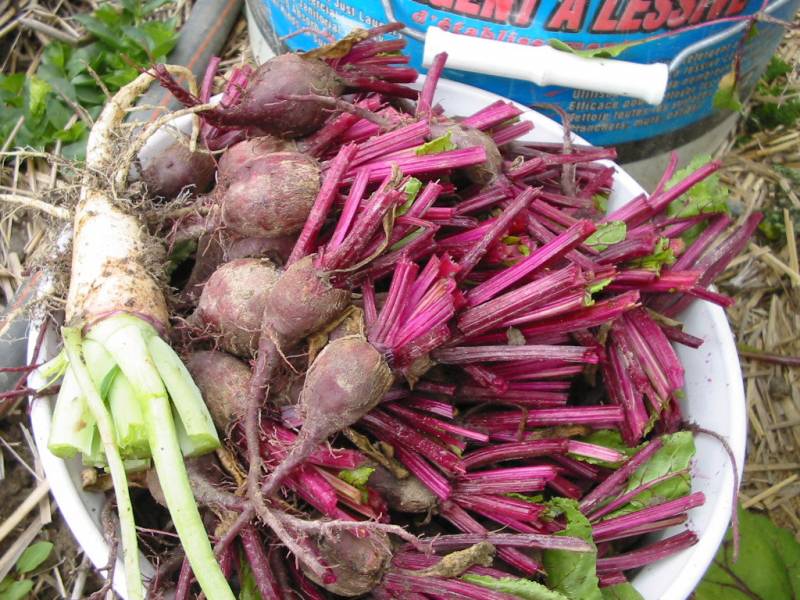
Those beets in the photo are destined for turning into Pickled Beets. That’s a Rutabaga in the harvest bucket with the small beets.

The beet greens have been cut and will be blanched and frozen for winter use.


Thinned small beets can be used for making Pickled Beets


Harvesting Beets

Beets can be harvested at any time, so as long as the roots maturity are around 1-2 inches in diameter.

These small roots are called baby beets, and they make an excellent treat because you can eat both the beets and beet leaves.

If you want to wait, you can wait until the roots are about 7 inches in diameter for larger beets.

Beets are one of the easiest vegetables to grow. You’ll find that beets are rarely bothered by pests that can sneak into your edible garden. Just make sure to weed in between growing to prevent it from stunting the plants’ growth. 

Beets are also super easy to tend to, just sow the seeds and wait 6-8 weeks to harvest midsummer to late fall.

I hope that these tips to grow beets will encourage you to grow some beets in your edible garden this year.


Using Beet Greens

Beet greens are delicious and are a wonderful addition to leafy salads. You can eat the leaves when they are small or large, they are always tasty. I find that growing my own vs. getting it from the grocery store tastes different.

Freshly harvested beets from the garden


You can preserve beet greens by blanching and then freezing them. Here is how you can freeze leafy greens – serve them warm as a side vegetable.

You can also use them in smoothies – beet greens are highly nutritious.


Originally published Apr 2020; latest update March 2026

Filed Under: Grow Your Own Vegetables

The 8 Fastest Growing Vegetables for Your Garden

By Annie

Here are the fastest growing vegetables you can plant right now!

We are getting close to gardening season, so gather up your seed packages and let’s get an early start! Here are the eight fastest-growing vegetables to in to plant in your vegetable garden.

Many of these love the cooler weather of early spring and the warm weather of late spring and early summer. You’ll be enjoying your first harvest of these delicious fresh vegetables in no time.

Since they also love the cooler weather in Fall, anyone planting fall gardens benefits on the other end of the garden season. Some lucky gardeners can grow fresh vegetables almost all year round.

You can also plant vegetables in containers on your patio, in long planters on your apartment balcony or you can even tuck in some vegetables among your flower and shrubbery beds. 

Fast growing vegetables including carrots, beets, garden greens  are held by a woman wearing a sweater.
Plant these fastest growing vegetables in your garden or in pots.

These cool season crops can be seeded directly into the ground. Check the information on your seed packets for specific information and planting instructions.

Wait until after your last frost date to sow seeds, although many of these plants will be able to withstand a light frost. It is the heavier frost that can kill these vegetables.

The 8 Fastest Growing Vegetables for Your Garden

Getting anxious for some homegrown healthy good food? Read on to discover the 8 fastest growing vegetables and get planting today.

As a sidenote, my garden is in Zone 3. You can grow any of these fast-growing veggies in any gardening zone – you may need to provide shade cover if you are in a very hot gardening zone.

a harvest of beautiful red radishes
Radishes are one of the earliest vegetables to harvest.

Grow Radishes

25 days to harvest

Radishes are quick-growing vegetables and can be planted as soon as the snow has retreated. You can also replant every 15 days in Zone 3 until July for a continuous harvest.

You can plant marigolds beside your radishes to discourage maggots from getting into your roots of radishes.

You’ll find that winter radishes will be rather large and their flesh will be comparable to turnips.

You’ll find that they do prefer a light soil, but can grow with rocks in the soil, they’ll just be misshaped.

You can add some compost to regular soil to give your radishes the appropriate nutrients.

One tip for your garden – drop a few seeds at the end of every row. Because they germinate so quickly, they can be your row markers!


Lettuce is one of the fastest vegetables to grow
Lettuce and other salad greens are very fast growing vegetables.

Plant some Lettuce

60 days to harvest

You can grow lettuce from June 1st until frost in zone 3 gardens. There are many different varieties of lettuce that grow well in this zone.

You’ll find that buttercrunch and early romaine are the two best options of leaf lettuce to plant that will grow in colder temperatures.

Lettuce can emerge within 7-10 days, meaning that you’ll want to plant small portions at a time to avoid having more lettuce than you can use.

You should grow chives or garlic between the lettuce plants to keep aphids away.

You’ll find that lettuce prefers a soil that’s rich in nitrogen so you’ll want to add some compost to the soil when planting lettuce. 

When harvesting, you can either use a hand trowel to dig up a whole plant or just remove some leaves from several plants to let them keep growing.


a harvest of spinach ready for preserving
Spinach is fast growing plus you can blanch and freeze leaves for winter eating.

Grow Spinach

40 – 60 days to maturity

You can grow spinach in zone 3 from early May through September. A few good companion plants to grow near spinach include celery, cauliflower, and eggplant.

Spinach is susceptible to caterpillars and aphids, so keep that in mind when looking to keep your plants growing healthy. 

Spinach grows best in soil that has a pH level of 7.0 or higher. Always keep the fertilized soil about 4-6 inches from the base of your plant so you don’t burn the roots.

Keep the soil moist during growth so that the seedlings can sprout. You can thin out your plants as the seeds germinate, as they do enjoy having space to grow.

Spinach will almost always start to bolt when the weather gets hot. Bolting means that the plant starts to overmature in an attempt to set seed.

If you can grow your in in the shade, that does help but plan on planting and eating early in the season. 

Plant seeds again in very late summer and you will have Spinach throughout the cooler temperature of Fall.

You certainly can freeze leaves so you can eat it during the winter time. Take a look here for how to preserve Spinach for eating later.

Grow Salad Greens

Other salad greens and microgreens you may want to grow include baby bok choy, mustard greens, pak choi, tatsoi, chinese cabbage, turnip greens, arugula, kale, scallions, pea shoots, or snow peas. Direct seed these into your garden beds or into containers and pots.

Pick the outer leaves of these baby greens, being careful not to take too many from one plant. Let those baby leaves continue to grow to become mature leaves; you will be able to take plenty of pickings of the loose leaves while allowing the plant to grow to maturity.


Cucumbers are one of the fastest growing vegetables
Cucumbers can be harvested when small then pickled and canned for eating year round.

Plant Cucumbers

55 days to maturity

Cucumbers are fine to grow in zone 3 for both pickling and slicing varieties. They are more susceptible to frost though, so you may want to plant short-season varieties of cucumbers.

Since this zone has a colder climate, it may keep pollinators low, and cucumbers need pollinators to grow healthy.

Consider growing cucumbers that don’t require pollinators and have a quick growing season.

It’s also a good idea to provide some type of support for them to grow against. A trellis works great.

The best time to plant cucumbers is between mid-June and mid-September. You may want to plant these next to radishes as radishes are an excellent companion plant to deter cucumber beetles.

You’ll need moist, well-drained soil for the best cucumber growth. You’ll want to mix in manure or compost to the soil before planting your cucumbers.

You can always start Cucumber plants in the house under some lights.

This way you can transplant into the garden and get an earlier harvest. 

Here’s how we start seeds under lights in the house to get a jump on the gardening season here.


Chard is one of the fastest growing vegetables.
Swiss Chard is perfect for blanching and freezing. Or leave in the garden – they’ll be fine with a bit of frost.


Plant Swiss Chard seeds

50 days to maturity

Not only is Swiss Chard one of the fastest vegetables to grow, it is one of the longest growing leafy greens.

Swiss chard can grow in 20 degrees Fahrenheit with mulch around them. This will help the plant retain moisture and stay protected.

This vegetable needs full sun or partial shade that gets afternoon sun for maximum growth. 

There are a few good companion plants to grow near chard, such as beans, onions, and cabbage.

It’s highly recommended that you don’t plant pole beans near swiss chard. This vegetable needs rich soil that retains moisture well, hence the suggestion to have mulch around chard.

Chard really is a fantastic leafy green to grow in northern gardens. It simply does not quit!

Chard should become one of your mainstays because you can eat it all season long, even after the snow starts to fall.

And you know if you don’t really like cooked greens, grow Chard anyway.

It is super in salads and eaten on sandwiches. It’s perfect!

Want to preserve Swiss Chard? 


Radishes and peas in a basket. These are just two of the fastest growing vegetables.


More Fast Growing Vegetables from Seeds


Green bean plants growing in a row in the vegetable garden
One row of bush beans will yield enough for fresh eating for your family.

Grow Bush Beans

50 days to harvest

It’s best to grow bush beans between mid-June and mid-September in zone 3 gardening areas.

We usually use Remay cover to add one or two degrees of protection. It is the cold here that will damage the bean plants.

You’ll find that good companion plants for beans include marigold, potatoes, cabbage, beets, carrots, and cucumbers.

Marigolds and potatoes will keep Mexican bean beetles away from your beans, while catnip can repel flea beetles.

They do need the sun to grow best and need a well-drained, organically rich soil. This vegetable will germinate in about one to two weeks.

Even if your soil isn’t organically rich,  beans will grow – they just will not grow as many actual beans.

These vegetables need at least 2-3 inches of water per week, which can be gained from rainwater or watering them on your own.

If you want to preserve green beans, you can blanch and freeze them. Follow the same procedure as for leafy greens.

If you choose to can them in jars, you MUST use a pressure canner.


a harvest of fast growing Zucchini vegetable
Two Zucchini plants will give enough fresh eating for a family of four. Or freeze grated Zucchini to use later for baking.

Plant Zucchini

52 days to harvest

A very fast grower, the summer squash, Zucchini can be used in lots of different ways. Grill it, mash it and cook like a winter squash. Eat it raw, make jam – millions of ways to use it.

One tip for harvesting Zucchini is to check on it daily. This vegetable grows so fast it can literally get away on you.

When you’re left with huge Zucchini, you can grate and freeze them in 1 cup servings.

Then make Zucchini bread or add to winter soups. The really big ones?

Those are the ones you sneak into your neighbour’s unlocked cars.

Or let your kids use them as a baseball bat. Feed them off to your chickens, pigs, goats or sheep. Animals love them.

Read more about growing Zucchini here.


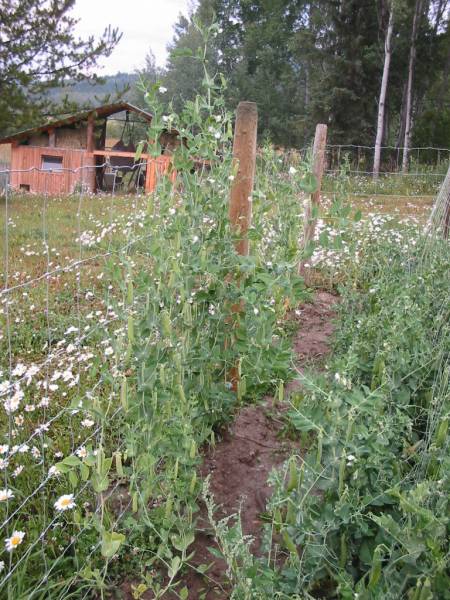
Peas growing along a fenceline for support.
Peas are fast growing – they like support so give them something to climb!

Plant Peas right in the soil

You’ve got a choice between growing edible pod or shelling peas – grow both if you like.

Peas love the cool temperatures of early Spring and are another vegetable that you can plant the seeds just as soon as you can get in the garden in Spring.

Give them a trellis or run some stringlines between Tposts. Pea plants will send out tendrils to grasp and wrap around the strings and up they grow.

Grow heirloom seed and then just leave some of the pods on the vine. Let them get nice and dry.

In September remove the pods, shell the peas out of the pod and store in a paper bag.

You won’t have to buy pea seed again next year. Just be sure to get heirloom seed!

Here’s how to save your own pea seed for next year. This article goes into more detail about how to save seed.

Read more about growing peas here.

When your peas are ready, take a look here for how to freeze peas properly so you can eat them all winter long.

So there you have it, the fastest vegetables to grow in your garden. Or grow these vegetables in pots on your deck.

All of these are cool season vegetables and they won’t mind the early spring temperatures. You can also plant these in early Fall and still harvest these before winter.

Root Vegetables

Root vegetables generally take longer to mature, but that doesn’t mean you can’t enjoy them earlier in the season. Baby beets, small baby potatoes, turnips, baby kale leaves (great to turn into kale chips!), baby broccoli florets are all delicious before they fully mature.

Find out the best ways to reduce water usage in your gardens.

Plant some of these fastest growing vegetables today!


A vegetable garden growing with rows of lettuces, spinach, beets and carrots


originally published March, 2020; latest update May 2026

Filed Under: Grow Your Own Vegetables

  • « Previous Page
  • 1
  • 2
  • 3
  • 4
  • 5
  • 6
  • …
  • 10
  • Next Page »

Connect With Us!

  • Email
  • Facebook
  • Instagram
  • Pinterest
  • Twitter

Search this site

Generic selectors
Exact matches only
Search in title
Search in content
Post Type Selectors
Search in posts
Search in pages

Our Most Popular Posts

Garlic cloves in oil

How to Preserve Garlic in Oil – and Other Ways to Store Garlic

a open jar of pickled brussel sprouts on a counter

Easy Pickled Brussels Sprouts Recipe (Water Bath Canning)

Privacy Policy

Read about our Privacy Policy

Disclosure

Please note that some of this site’s links are affiliate links, and CountryLivinginaCaribooValley.com is a participant in the Amazon Services LLC Associates Program, an affiliate advertising program designed to provide a means for us to earn fees by linking to Amazon.com and affiliated sites. At NO ADDITIONAL COST TO YOU, I will earn a small commission, if you purchase them. I recommend them as they are good products.

Theme Design By Studio Mommy · Copyright © 2026