Country Living in a Cariboo Valley

Homesteading in BC

  • How to Get Started
  • Vegetable Gardening
  • Preserving Food
  • Recipes
  • Homemade Wine Recipes
  • About Us
  • Work With Me
  • Shop
    • Vegetable Garden Planner Printable: Grow Your Best Garden Ever
    • Grow Enough Food for a Year
    • Delicious Dandelions: A Recipe Collection
    • Dirt to Dollars: Selling at the Farmers Market
    • 8 Pounds in 8 Weeks: Raising Chicks for the Dinner Table
    • Making Wild Wine
    • Build a Hanging Chicken Feeder
    • 15 Things to Know About Living in the Country

How to Plant Garlic Cloves – Growing Garlic Part 1

By Annie

Here are our best tips for how to plant garlic cloves in your vegetable garden!

Garlic is one of the easiest vegetables to grow in your garden or in containers. And it is wonderful to use in all kinds of cooking recipes, plus it’s also very healthy for us. 

Garlic doesn’t take up much room at all so you can either plant a bed of garlic cloves in a corner of your garden or tuck a dozen garlic plants in a pot and keep it on your deck.

Learn how to plant garlic cloves and hang garlic to cure
Our best tips for how to plant garlic cloves in your garden.

You can see we love to grow and harvest garlic! And because we live in a northern climate (Zone 3 Canada) we only grow a type of garlic called hardneck.

Hardneck garlic is a garlic variety that loves a cold winter; if you are in warm winter areas, grow softneck garlic instead, as softneck varieties are better in warmer climates.

How to Plant Garlic in the Fall

In our climate (cold winters) we plant our Garlic in the early Fall anywhere from around mid-September through to the middle of October. If you live in the South you plant in the early Spring.

Generally, you’ll want to avoid planting garlic where other garlic, onion, or any other member of the allium family has been planted recently.

This also includes plants like leeks, scallions, shallots, and chives. Rotating where garlic or other related plants are grown can help avoid allium pests or diseases.

Keep reading to see just how easy Garlic is to grow and then make sure you plant a few cloves!

How to Grow Garlic in a Raised Bed

Planting garlic cloves in a raised bed
Plant individual garlic cloves in a raised garden bed.

We plant garlic in our vegetable garden beds or in raised beds next door where we have lots of room. Add some good quality compost or well aged manure, blood meal, or fertilizer and dig it in well.

Rake the soil smooth and get ready for planting garlic cloves.

Planting Garlic Cloves

Here’s our Garlic Bed, ready for planting. We plant Garlic close together – you can see I have 4 beds separated by narrow walkways.

I take my box of keeper cloves (here’s how we decide which cloves to eat and which garlic cloves to use for planting) down to the garden.
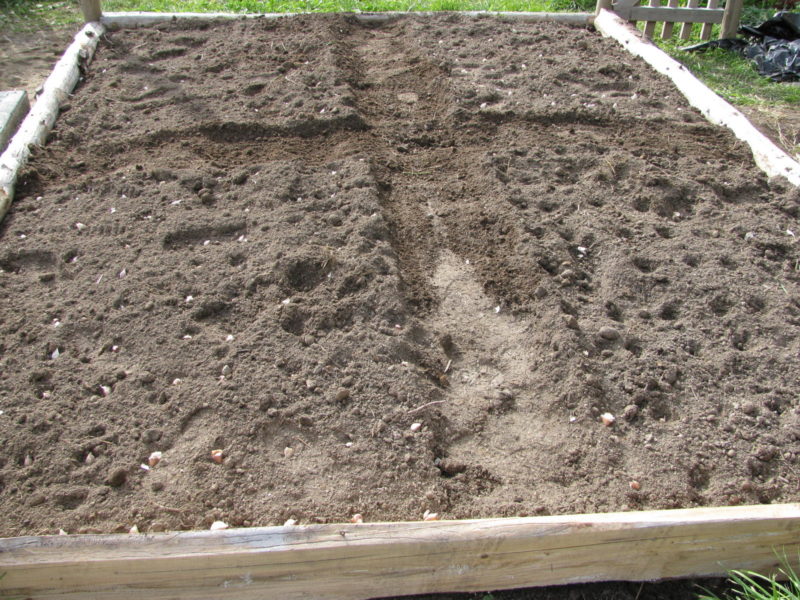
How to plant garlic cloves in a raised bed.
Plant Garlic cloves six inches apart in a pot or garden bed.

I plant the garlic cloves about 6 inches apart, with 8 inches between the rows. This ensures the garlic will get enough direct sunlight. Then, I push each of the cloves about 3 inches of depth below the soil surface.

 You can see the individual cloves in the picture above because I like to try and get the rows nice and straight, so I don’t push them down to seat them and put the soil on top of them until I am finished planting them all. I use the planted ones as markers for the rest of the cloves.

I was able to plant 288 cloves in that space! You can see it doesn’t take a lot of room to grow enough garlic for your family for the winter months.

Our 288 cloves is a LOT of garlic, but we love roasted garlic and we often have 2 whole heads of garlic between us at dinner time.

We also love making Bacon Wrapped Garlic Bites – so yummy as an appetizer!

If you cook the garlic, it is a lot milder than if you eat it raw and it’s so healthy for you! Lots of nutrients and flavor emerge when cooking.

After you plant garlic cloves, add mulch for winter.
After you plant garlic cloves, add mulch to protect them for winter.

How to Plant Garlic in Pots

If you don’t have room for a vegetable garden, you can easily plant garlic in pots, containers or grow bags. Grow some on your patio or balcony – just follow the same premise as for planting in a garden.

Plant your garlic six inches apart in good quality soil. These long rectangular flower pots work really well for growing garlic in a smaller space.

Since garlic doesn’t grow very deep, these pots are an ideal size.

How to Grow Garlic in a Flower Bed

Garlic plants are quite pretty and look nice when they are mixed in with perennial or annual flowers. If you’ve got a few empty spaces in your flower bed, plant some sprouting garlic cloves there!

Tuck three or four alongside any of your flowers or shrubs – they take hardly any room at all and will be easy to find when it’s time for harvesting garlic bulbs.

How to Plant Garlic Cloves
This guide explains exactly how to plant garlic cloves in a variety of locations!

How to Protect Garlic Cloves for Winter

It is a good idea to find a way to protect the garlic cloves for the winter months. Garlic is very hardy but if winter temperatures stay below zero, they really do need something to insulate them from the cold. 

How to Mulch Garlic

Mulch the whole bed with straw once the temperatures get down around freezing. Our temperatures are cold on Fall mornings and maybe close to freezing overnight.

We do not mulch right after planting. Wait until the temperatures go down; if you mulch too early the bed could be warmer than the garlic likes it.

Sometimes here, our garlic gets planted three weeks before we go out and cover with mulch.

adding mulch to cover a garden bed
Cover your garlic bed with straw or spent hay right before the snow flies.

I loosely add about three inches of straw on top of the bed. I don’t tamp it down at all; the rain and snow that is coming will do that. 

Once planted, all you have to do is weed it regularly during the growing season. One of the reasons I plant my Garlic tightly is that it reduces the weeds that come up.

So to get the Garlic in the ground and ready for Winter, it is just a matter of planting the cloves, covering them with soil, then covering them with a good layer of mulch later. You could use hay, straw, grass clippings or leaves.

During the Fall, your Garlic may start to grow and get a few inches of green leaf on them before Winter sets in. It’s OK…you don’t need to do anything to them – just wait for them to appear in Spring.

After planting garlic cloves, each clove will grow to become a garlic bulb.

In the Spring, you may need to remove some of the mulch, especially if you see garlic trying to poke through but not being able to.

If you see any yellow foliage, this is a good sign that the garlic needs more light.

Spring Growth for Garlic

In the Spring the Garlic bulbs will continue to grow. While the green leaves are growing above the soil, the Garlic bulb is growing below the soil. Water it every few days and keep any weeds out.

Garlic scapes growing from garlic plant.
The curled stems are Garlic scapes growing from the plant.

In early summer (think June and early July), you will see the Garlic Scape forming and coming out from the center of the growing stalk. Every Garlic plant will send out one Scape.

As they grow, they start to curl and they look great on the dinner plate cooked whole. Can you see the Scapes?

Garlic plants growing in a garden
Hardneck garlic sets out one scape per plant.

Before you know it, you’ll have lots of green shoots to harvest – just cut them off at the base of the Scape using a knife. I usually just snap them off, it’s much faster.

If you want nice big garlic heads, you MUST take the scapes off. This directs the energy into the bulb below ground, and it will then grow bigger.

Don’t just toss those Scapes onto your compost pile. They taste great!


How to Store Fresh Garlic

For garlic storage, you’ll want to find a place where the room temperature is on the cooler side and there’s good air circulation.

If you store garlic in the refrigerator, it may start to sprout in a couple of days.

Here are several different ways to preserve garlic in oil – including how to freeze garlic.

Now you know how to plant garlic cloves in the garden – plant some this Fall!

Garlic is very easy to grow and hardly takes any room at all. Every garden should have some garlic growing in it!

Freshly dug Garlic tastes nothing like the store bought Garlic you see in the produce section at the supermarket.

You can find good healthy Garlic by buying some at your local Farmer’s Market – ask if it was grown locally.

Just remember you need 1 clove per plant, so buy accordingly. There are roughly 6 – 8 cloves on one head of garlic. You can also buy hardneck garlic bulbs here online.


More Garlic Posts

  • Part 2 of the Garlic series is called “How to Make Pickled Garlic Scapes” 
  • Here’s how you can store garlic in olive oil – plus more ways to store garlic bulbs.
  • Wondering how to roast a garlic bulb? Find out here
  • This Feta Cheese Garlic Spread is a family favourite!


Published 2012, updated July 2022

Filed Under: Garlic, Garlic (4 Part Series), Grow Your Own Vegetables Tagged With: Garlic, Grow Vegetables

How to Preserve Garlic in Oil – and Other Ways to Store Garlic

By Annie

Here’s how to preserve garlic in oil – store it in the fridge or freezer.

Garlic is one of the easiest things to grow in your food garden. You can grow quite a few heads of garlic in a fairly small space. If you grow a lot of garlic, you may want to find ways to store garlic cloves long term.

I want to show you how to preserve garlic in oil. Plus, other ways to store garlic safely!

Want more articles about preserving food? Check out all of our Preserving Food posts here.

Preserving garlic in oil is one way to store these beautiful cured bulbs.

Garlic doesn’t mind growing in the garden or in containers or pots on your deck. You can also buy garlic at the farmer’s market.

We grow a lot of garlic bulbs here; we have always loved eating it and every year I just kept planting more and more.

There is no such thing as too much garlic in our house! We use it in all kinds of marinades and sauces.

Normally, we store whole garlic bulbs and whole cloves on the kitchen counter in an open weave basket (these work great) for ventilation.

For us this works great for long-term storage. 

However, in some climates, this won’t really work long term, so we’ve included other ways to preserve garlic.

Storing bulbs in a terracotta or ceramic garlic jar (dishwasher safe) like this one works well too and pretty garlic keepers look nice on the counter.

But as the year (and the shelf life of garlic) goes by, you may find your clove of garlic getting softer. It’s at this point that you want to consider preserving garlic – here are several ways.

How to Preserve Garlic in Oil

Here are instructions to preserve garlic in oil.

A jar full of garlic cloves
Fill the clean jar with peeled garlic cloves


Here’s how to store garlic cloves in oil:

  • Fill a clean quart mason jar with the cloves of garlic. 
  • Slowly pour extra virgin olive oil over the cloves in the glass jar. 
  • Add enough oil to completely cover the cloves. Make sure that no part of the cloves are exposed to the air.
  • The garlic MUST be completely covered.


a jar of garlic in oil ready for the fridge


Wipe the rim of the jar using a clean paper towel or cloth. Making sure the rim is clean will mean the lid can make a good seal.


A sealed jar of garlic cloves on the counter
Add a clean seal and ring


Storing Garlic in the Fridge

Add the seal and ring to the mason jar and close tightly. Then, put the jar in the refrigerator and keep it there. 

Remove the cloves as needed for cooking, but be sure to return the jar to the fridge.

The oil will solidify and it doesn’t look as pretty as when you first added the oil, but it is much safer to store the jar in the fridge. Plus, grab some oil mixture along with the garlic and grease your cooking pan!

Just remember to have the cloves completely covered while stored in the fridge.

Once you’ve used all the cloves in the jar, you now have garlic flavored oil to use in all kind of meals!

Storing fresh or raw garlic in oil at room temperature provides the perfect environment for bacteria to grow.

Don’t take that chance!


Other Ways to Store Garlic Bulbs

How to store garlic bulbs whole?

The easiest way to store garlic is with whole bulbs. Trim the roots and the stalks of cured garlic and store the bulbs in woven baskets or anything that allows air flow to the bulbs. Wire baskets will work as well. 

Don’t fill the baskets all the way up with garlic. Shallow layers work the best so there will be airflow around all the bulbs.

Try to NOT store garlic in a paper bag, unless you have only a few bulbs. Plus it must be fully dried garlic.

Realize that if any of the bulbs have any moisture at all, the bulbs can easily start to degrade and mold.

Always use an open weave basket or something where each bulb has air flow.

Making Garlic Powder

You can use a dehydrator to dry garlic, then turn it into garlic powder. Here’s a good link that explains how to make your own garlic powder.

Preserving Garlic in Vinegar

While storing garlic in oil is a great way to preserve it – and offers the added bonus of lots of garlic-infused oil for cooking – you can store garlic for up to four months when you preserve it in vinegar.

Simply place your peeled cloves in a heat-safe container. Bring vinegar to a boil and add your hot vinegar to your container, making sure none of your cloves are exposed to the air.

Can I store garlic in oil in the freezer?

Yes, you can freeze garlic to preserve the garlic in oil you’ve mixed together. You can use either minced or chopped garlic or whole garlic cloves.

Chopped garlic ready for freezing
You can store chopped garlic or minced in the freezer.


Different Ways to Preserve Garlic by Freezing

You can easily freeze garlic – here are several different ways to store garlic in your freezer.

Freezing Minced Garlic in Olive Oil

If you want to freeze minced garlic then you’ll need to puree the peeled garlic cloves in a food processor or blender. This minced garlic is great frozen in small containers that you can easily grab as needed.

A good rule of thumb is one part garlic to two parts oil. You’ll need to freeze garlic in an airtight container like small jars or a tightly sealed Ziploc bag with the date written on it.

This packaging must be resistant to moisture so the oil can do its job to protect your pureed garlic inside the container.

Freezing Garlic in Oil in Ice Cube Trays

Here’s one of my favourite ways to freeze garlic (we love the convenience) – we basically just chop the clove and fill ice cube trays with cloves, leaving room for the oil.

Top each section with oil and store in the freezer. Once frozen, you can transfer them into Ziplock bags.

This makes it so easy to just pop out a couple of cubes of frozen garlic in oil for adding to your dinner recipes.

Using a food processor to mince garlic is a very fast way to get your garlic preserved for eating later in the year.

We find our food processor is one of the best kitchen tools we have. It gets a LOT of use in our kitchen.

Cured garlic bulbs sit on a counter.
Find out the best ways to preserve garlic for months.

Freezing Minced Garlic

If you want to go without the garlic in oil option but still want minced garlic, after peeling garlic cloves, just add them to the food processor.

Get the garlic to a texture that you prefer and place it inside an airtight container that’s moisture resistant.

This container can be placed in the freezer to freeze garlic for up to six months. And it is so much cheaper than buy a jar at the grocery store.

Freezing Garlic Cloves

If you’d rather freeze garlic cloves, that’s easy too. Just peel your garlic gloves and seal them inside an airtight container and place them in your freezer. You don’t need oil to freeze garlic as cloves or bulbs.

How Long will Garlic Last in the Freezer?

Garlic will stay good in the freezer for approximately six months. While it doesn’t last long in comparison to a lot of other garden food, it is a great option for preserving garlic if you don’t have room to store bulbs.


A jar of garlic cloves in oil sits on counter


Does freezing garlic destroy allicin?

Allicin is a natural antifungal, anti-viral, and anti-parasitic substance that can be found in garlic. Garlic contains a lot of allicin when it’s fresh from the garden, but the allicin content does slowly diminish the longer you store garlic.

Freezing garlic will retain more allicin than, let’s say, putting it in the refrigerator. Fresh garlic typically loses allicin in 2 and a half days.

Most people recommend allowing your fresh garlic to sit for at least 15 minutes before consuming it as the allicin is at its height in that time.

Freezing your fresh garlic within 15 minutes of the harvest will allow you to retain the most allicin properties of your garlic.

Garlic, Oil and Botulism

Let’s talk food safety here, it’s important and you need to be careful! Here’s some information about possibilities of getting Botulism from storing garlic improperly.

Storing garlic cloves in oil helps to extend the life of your garlic cloves, but it is important to use the garlic as quickly as possible.

As you are using it, always make sure that your garlic is always completely submerged in the oil to keep it from growing bad things.

Can you get Botulism from garlic in olive oil?

Botulism is a type of food poisoning that causes breathing problems, blurred vision, and other difficulties that can prove to be fatal.

The growth of clostridium botulinum can create poison in garlic when you store garlic in oil but not refrigerate it.

This substance is not something you’ll notice or smell. This is why you must follow proper procedures when storing garlic in oil.

To reduce the risk of getting Botulism from garlic in oil you’ll need to store your raw garlic in oil inside the refrigerator and use it within 2-3 weeks.

You can safely store garlic in oil for about 4 months in the freezer. Any garlic in oil mixture left at room temperature for two hours should be thrown away.

How to tell when garlic in oil has gone bad or rancid?

There are a few ways to tell when garlic in oil has gone bad or rancid. The look, smell, and feel test will help you determine whether your garlic in oil has gone bad.

The first way to tell if your garlic in oil has gone bad or rancid is to do the smell test. If your oil smells somewhat sweet then your container of garlic in oil has gone bad.

To give you a better sense of what “sweet” means, it’s a similar scent to Elmer’s Glue.

Another sign that your garlic in oil has gone bad or rancid is to look at the garlic. If it has developed brown or yellowish spots or smells somewhat sour then the container is bad and you must throw it away.

Garlic bulbs and peeled garlic cloves on a table.
Easy ways to preserve garlic bulbs and cloves.

Why is my garlic in oil bubbling?

If you notice your oil bubbling, that indicates that it is very possibly contaminated. It could be botulism or a variety of other things – but none of them should be eaten. The safest option when your garlic olive oil bubbles is to throw it out.

Why does garlic turn blue?

If you use tap water to store your garlic, you may find that your garlic turns blue. Using distilled water, iodine-free salt, and stainless steel cookware can help deter this process from occurring.

The reason your garlic turns blue is that the garlic enzymes break down over time causing the natural sulfur in garlic to interact with the enzymes. This process can turn your stored garlic a slightly blue or green color.

The good news is that you can consume garlic that’s turned green or blue. This process of the sulfur interacting with the breakdown of the enzymes merely changes the color of the stored garlic, not the flavor or potency.

So if your garlic turned blue, it is still fine to eat.

How long do garlic cloves last?

Garlic cloves last around 3 weeks – don’t peel the cloves until you are ready to use them! After several weeks, the flavor will definitely start to decrease, although they are certainly still fine for cooking! 


Whether you preserve Garlic in oil, or store Garlic using one of these preservation methods, remember:

You can use garlic in so many meals and it helps promote good health. Sneaking minced garlic into your eggs and other meals helps promote good blood flow to reduce your risk of heart disease.

Using my tips for garlic storage, you can easily keep your harvest of garlic longer so that your family enjoys garlic all year round.

Grow your own, support your local farmer’s market or put in an online order for garlic!


Want more Garlic articles?

Make this Roasted Garlic to go along side a grilled steak and baked potatoes!

This Bacon and Garlic appetizer is sure to please and it is so quick to make! Serve alongside a plate of pickles and Pearl Onions.

Add this Garlic Scape Pesto to any pasta dish or serve on crackers.

Grow your own Garlic. Here’s everything you need to know! A 4 part series on growing, harvesting, curing and more.

How to prepare a bed for planting garlic.

Growing a food filled garden


How to Preserve Garlic in Oil

Garlic cloves in oil

How to Preserve Garlic in Oil

Yield: 1 jar of garlic in oil
Prep Time: 10 minutes
Total Time: 10 minutes

It's easy to preserve garlic cloves in oil. Just be sure to always keep the jar in the fridge!

Ingredients

  • Peeled garlic cloves
  • Extra Virgin Olive Oil

Instructions

  1. Peel garlic cloves.
  2. Add the cloves to a clean mason jar (use any size you like).
  3. Slowly pour the oil over the cloves, covering them completely.
  4. Wipe the jar rim with a clean paper towel.
  5. Add your seal, then screw on the canning ring.
  6. Store in the fridge.

Notes

Always store your jar in the fridge. Remove only to use the garlic cloves, then return the jar to the fridge.

Nutrition Information:
Yield: 10 Serving Size: 1
Amount Per Serving: Calories: 12Total Fat: 1gSaturated Fat: 0gTrans Fat: 0gUnsaturated Fat: 1gCholesterol: 0mgSodium: 0mgCarbohydrates: 0gFiber: 0gSugar: 0gProtein: 0g

Did you make this recipe?

Please leave a comment on the blog or share a photo on Pinterest

© Annie
Cuisine: Italian / Category: Recipes


Garlic cloves waiting to be preserved in oil


published on Dec 3, 2016 updated Apr 29, 2021

Filed Under: Food, Garlic

How to Roast Garlic

By Annie

Once you learn how to roast garlic cloves, you’ll be including this healthy side dish more often with your meals. Learn how to easily roast whole heads of garlic!

Roasted garlic tastes sweet and nutty and sends wonderful aromas throughout the kitchen. Garlic, as a cooking spice, is quite versatile and there are lots of delicious garlic recipes.

Fresh garlic cloves sit in a bowl.
Wondering how to roast garlic? Here are several ways to enjoy roasted garlic with your meals.

Why You’ll Love This Roasted Garlic Recipe

There are not many dishes or cuisines for which garlic is not a good complement either as a side dish, as an infusion or mixed into the meal.

For the best flavored garlic, learning how to roast fresh garlic cloves can give a subtle difference to the taste of a dish. Compared to dried powdered, salted garlic or minced garlic that is pre-prepared and purchased in a store?

Well, there really is no comparison – fresh roasted garlic cloves win! Hands down!

Roasted Garlic in a Saucepan and on tin foil.
If you’re searching for tips on how to roast garlic in the oven, be sure to read this post for all the information you could need!

It might come as a surprise how sweet and nutty freshly roasted garlic can taste compared to the mass-manufactured and pre-prepared garlic seasonings.

Roasted garlic complements most recipes or can be sautéed with onions, butter and a little brown sugar for a succulent side dish. Grate or chop into pasta, mix it in to your mashed potatoes for a super flavorful side dish, make a flavorful salad dressing, add to sauces or your favorite hummus, or use it to make homemade garlic bread!

Instructions

Heads of garlic can be roasted using a toaster oven, convection oven or conventional oven or on the grill, but garlic can also be roasted in a pan on a stovetop.

Roasting garlic is the best way to bring out the nutty sweetness and caramelized flavor that garlic is known for, instead of the pungent aroma often found with processed garlic.

In fact, garlic that is roasted doesn’t leave the bad breath scent for which garlic sometimes gets a bad rap, and there are many researched health benefits to consuming raw garlic or roasted fresh garlic.

How to Roast Garlic in the Oven

A bulb of freshly roasted garlic, still on the tinfoil it was cooked in after having the top chopped off and oil poured on.
  1. Peel the desired amount of garlic cloves or just cut off the pointed tops of a whole garlic bulb with a sharp knife to release the aroma and interior oils (just like that picture above). These pieces can be roasted whole or cut or chopped, and then placed inside foil. Leave the foil unsealed at the top.
  2. Drizzle the garlic with a couple of teaspoons of olive oil (or any favorite flavored oil) and add any complementary spices you like.
  3. Place the foil on a baking sheet in the center of the hot oven and bake at 350-375 degrees for 40 minutes, until the tops of the garlic are lightly browned but not burnt.

Roasting Garlic Cloves on the Stove

Roasting garlic cloves in a pan on the stove.
Slow roasting garlic cloves in a pan on the stove is another great way to prepare this treat!

Roasting garlic in a pan uses the same oil drizzle technique, except the garlic cloves cannot be unattended while roasting. Simply place the cloves in the pan, (we love Lodge cast iron – highly recommend) add a little butter, flavors and spices, and then drizzle the oil over the cloves.

  1. Turn the flame onto a low/medium-low heat, and use a metal spatula to constantly move the garlic.
  2. Once the garlic has softened, and this might take as much as 15-20 minutes of constantly stirring, the flame can be turned up higher and the cloves allowed to sizzle until lightly browned and slightly firm on the outside.

How to Roast Garlic in the Air Fryer

This method is similar to the oven method, but typically doesn’t take as long!

  1. Preheat air fryer to 375 degrees F.
  2. Gather individual cloves or chop the top off a whole bulb of garlic.
  3. Drizzle with olive oil and season as desired.
  4. Wrap well in a piece of aluminum foil and place in the air fryer.
  5. Air fry until soft and fragrant, about 16-20 minutes.

Which Spices Go Good with Garlic?

Any savory spice will work well, including:

  • rosemary
  • thyme
  • basil
  • sage
  • paprika
  • sea salt
  • pepper
Garlic Bulbs with tops cut off on parchment paper with spices and herbs
A variety of spices go great with garlic!

More Garlic FAQ

How to store roasted garlic?

Roasted garlic can be stored for up to a month in the refrigerator before it begins to lose its flavor. Just be sure to store in an air-tight container, plastic bag or jar.

A garlic bulb can also be infused into an oil and kept for longer.

How do I store garlic bulbs?

If bought fresh from grocers or farmers’ markets, garlic can be stored for several months in a cool and dry place in a pantry. We store our garlic in an open weave basket in the kitchen.

There is no reason to refrigerate garlic prior to roasting.

Can I grow garlic in containers?

Yes you sure can grow garlic in pots or containers! Here’s everything you need to know about how to grow garlic in the backyard!

Can I freeze roasted garlic for eating later?

Yup you can – here are several ways to preserve garlic by freezing.

How long to roast garlic?

Roasting time can depend on the size of your garlic cloves. It’s better to start out with a lower time, around 30 minutes, and add more time if needed.

Freshly peeled garlic on a brown cloth with wood spoon.
Freshly peeled garlic ready for roasting on the stove.

How to roast garlic without foil?

If you prefer, you can use parchment paper instead of foil for your roasted garlic cloves. Just be sure it isn’t wax paper, as that can melt in the oven and ruin your garlic!

How to remove garlic from skin?

Once roasted, it’s actually quite easy to remove each clove from the garlic skin. Give them some time to cool, then simply squeeze from one end and the individual cloves of garlic should should slide right out!

More Garlic Appetizer Recipes

Our entire Country Living in a Cariboo Valley Recipe Collection can be found here, and here are some more delicious garlic recipes hand-picked for you!

  • These Garlic and Bacon Wraps are the perfect appy side dish!
  • Feta and Garlic? Yes please! Try this Feta Cheese and Garlic Dip appetizer recipe.
  • Garlic Side Dishes for your family to enjoy.
  • This Garlic and Parmesan Asparagus makes a delicious side dish.

Now that you know how to roast garlic, add this roasted garlic recipe to more of your dinner recipes!

Roasting garlic in a cast iron pan

How to Roast Garlic with an Oil Drizzle

Yield: 2 bulbs
Prep Time: 5 minutes
Cook Time: 40 minutes
Total Time: 45 minutes

Once you learn how to roast garlic, you’ll be including this healthy side dish more often with your meals.

Ingredients

  • 2 garlic bulbs
  • oil (whichever kind you prefer)

Instructions

  1. Peel the desired amount of garlic cloves (or just slice off the tops) and place in foil. Leave the foil open at the top.
  2. Drizzle with oil.
  3. Place the foil on a baking sheet and bake at 350-375 degrees F for about 40 minutes.
Nutrition Information:
Yield: 2 Serving Size: 1
Amount Per Serving: Calories: 66Total Fat: 7gSaturated Fat: 0gTrans Fat: 0gUnsaturated Fat: 6gCholesterol: 0mgSodium: 1mgCarbohydrates: 1gFiber: 0gSugar: 0gProtein: 0g

Did you make this recipe?

Please leave a comment on the blog or share a photo on Pinterest

First Published March 2021; Updated November 2022


Filed Under: Food, Garlic, Recipes

Growing Garlic – Part 3 How to Harvest and Cure Garlic

By Annie

Here’s the third part of our Growing Garlic series. Part 1 is an overview of growing Garlic. Part 2 covers harvesting the garlic scapes – which we turn into Pickled Garlic Scapes. Now we’re moving on to how to harvest and cure Garlic.

Your Garlic has now been growing all spring and summer. You’ve removed the Garlic Scape that is on each plant.

Right about now, you are probably quite curious as to when to get your garlic out of the ground. You want to see how big those bulbs are!

How to Harvest and Cure Garlic

 Garlic plants ready to be harvested from the garden.


How to Harvest Garlic

When the leaves of the Garlic are yellowing, it is time for harvesting. In the Cariboo which is Zone 3, that is usually the beginning of September.

As a sidenote:  Our garlic often gets yellowing tops early in the growing year.

This is because we often have very cool nighttime temperatures, so the garlic tops get a touch of frost early in the season. Your garlic tops may well be green all season long. 

We do not find that the yellowing tops affect the taste of the garlic at all. It’s just something that happens here because of those very cool temperatures.

Fresh harvested garlic bulbs with dirt on their roots.

Dig up a couple of plants, preferably from different parts of the garlic bed. Have the cloves formed? It’s time – you can dig up your plants.

It’s always better to harvest your garlic a bit early, rather than a bit late. You can tell if you harvested late if the cloves have started to pull away from the center stem.

You want to harvest when the cloves are still tight with a wrapper on them. This is the best stage for storing the longest.

You may find that there is dirt stuck in the roots, especially if your soil is moist. I rub the root end with my gloved hand and if the soil is a bit dry, it will crumble and fall out.

But if the soil is still quite wet, leave your garlic out in the air for an hour and let them dry a bit. This will make it easier to get the dirt out.

Try to NOT leave your garlic laying in the sun. You are better off to move it into a shaded area, even if there is still dirt on the roots.

harvested garlic hanging to cure in a breezeway


How to Cure Garlic

If the weather is supposed to stay warm, you can hang the bulbs outside (out of the weather). We hang them up in the breezeway down at the barn.

If your weather is supposed to be quite cool or even frosty, bring your Garlic inside instead or hang it where it will not get hit with frost.  I use to bundle the plants with baling twine. 

I’ve moved on to a heavier twine since then, as bundles with huge bulbs can actually be quite heavy. When I bundle them, I put all the largest bulbs together.

Garlic bulbs in a basket curing after being harvested


I may end up with 8 bundles of nice big heads and 4 bundles of smaller heads. That’s a lot of Garlic! I bundle them like this because it is faster.

Also, it’s easier for me to pick next year’s cloves (another post). I hang them in groups of 10, as I sell some and this makes it much easier to count up.

If you stab a Garlic head with the shovel when harvesting, be sure to place those ones of to the side. Use them up first.

Garlic that has been cut or scraped will NOT store well, and could introduce bacteria to other bulbs. Just keep those in the kitchen and start cooking!

garlic curing in a shallow basket 

After the bundles have hung for at least 10 days (maybe closer to 2 weeks), bring them into the house.

We keep our Garlic downstairs, hanging the bundles in my potting room. Or, you can trim off the stalks using your garden shears.


cured garlic stored in a open basket


Be sure to leave a 1 inch stem above the bulb. Then, cut the roots close to the base using some good kitchen scissors . Store the garlic bulbs in an open weave basket.

We don’t keep the Garlic in the Cold Room, as Garlic likes it a bit warmer than the 32 – 40 F temperature we keep the room at. 

When first hung, the aroma of Garlic fills the house –  what a wonderful smell.

buckwheat growing in a garden bed

Preparing a Garlic Bed for Planting

As soon as the Garlic is harvested and hung, we weed out the Garlic bed. It will only be a few weeks before this bed is planted again.

The earlier the bed is prepared, the better. If another layer of compost is needed, now is the time to add it. If we have time before planting, we will seed some Buckwheat in the bed to improve the soil for the coming year.

Buckwheat only takes about 5 weeks to grow and flower; this makes Buckwheat a fantastic soil builder. 


Now that you know how to harvest and cure garlic, let’s move on to replanting. I’ll show you how I choose which Garlic bulbs to replant for the following year. 

Here is the last installment  –  Growing Garlic – Part 4 (how to know which cloves to replant)


Filed Under: Garlic, Garlic (4 Part Series), Grow Your Own Vegetables Tagged With: Garlic, Grow Vegetables

Growing Garlic in the Garden (4 Part Series)

By Annie

Thinking of growing garlic in your garden? You, my friend, are a person after my own heart. Here’s everything you need to know about how to grow garlic.

What is Garlic?

To start, in case you’re not already familiar with the plant, here’s some basic information! Part of the Allium genus, garlic is a type of flowering bulbous plant. Botanically it is considered a vegetable, and it’s closely related to other plants like shallots, onions, leeks, chives, Welsh onions, and Chinese onions.

The taste of garlic depends on whether or not it’s been cooked. Raw garlic tends to have an extremely pungent and borderline spicy flavor. When it’s cooked, the flavor mellows out and takes on nutty and delicious notes.

For this reason, the unique and somewhat mustard-like flavor profile is utilized in a wide variety of dishes from cultures all around the world.

Health Benefits of Garlic

In my house, garlic is a staple for so many meals. Not only does it add a wonderful flavor to recipes, but it’s a healthy superfood.

It’s packed with vitamins C, B6, manganese, and selenium as well as a good source of antioxidants (I’m looking at you, allicin!).

To top it all off, since it is so flavorful, garlic can be used in place of salt (or at least enable you to cut down on your salt intake), which is a big part of keeping your blood pressure at a healthy level.

Plus it’s low-calorie so adding it to your meals won’t do much to increase your caloric intake.


Why Grow Your Own Garlic?

Garlic bulbs curing in a shallow basket
Growing your own garlic is a fantastic way to save money and produce delicious and easily accessible garlic in your own backyard!

When it comes to garlic, there’s not much we haven’t tried. I personally love the mellow taste and aroma it produces when you roast it in the oven.

You can roast it, grill it and add it to almost everything you cook (we especially love adding roasted garlic to our roast beef and potatoes – yum!). Check out all the great ways to cook with garlic!

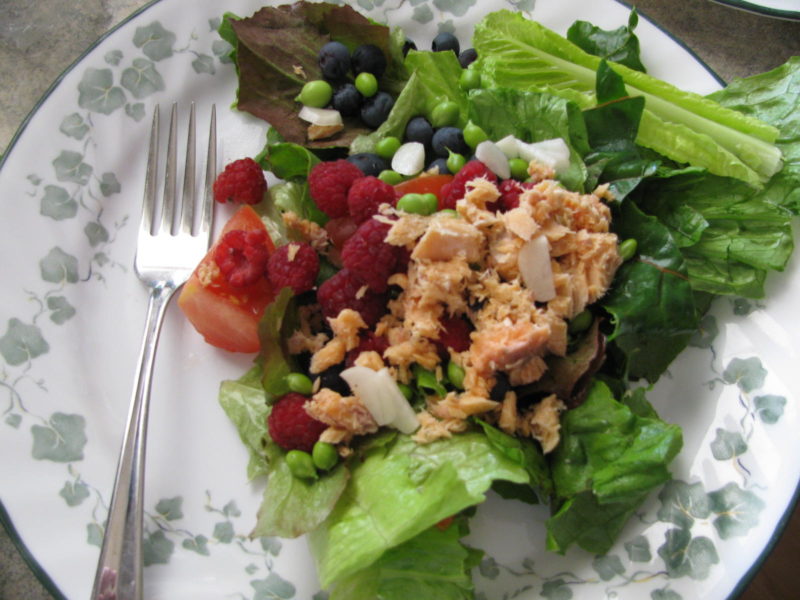
Thinly sliced garlic cloves added to salad.
Just a few slices of garlic add a lot of flavour to this salad.

We slice it up very thin and use just a bit in fresh salads where it adds a wonderful zing! We pretty much eat it in some form. Every. Single. Day.


Garlic growing in the backyard garden.
This 4-part guide is loaded with tips and advice for growing and harvesting your own garlic. It even includes ideas for how to store, preserve, and eat it!

But you don’t have to go as big as we did – you can grow garlic in your backyard for your own personal use. It’s super easy! And if you use garlic as much as we do, think about the money you’ll save by avoiding supermarkets!

Plus, it’s extremely convenient to grow your own, and there are a numbers of ways you can store and preserve garlic so you’ll have fresh, home-grown garlic to use and enjoy all year long.

Garlic Varieties

There’s a large selection of varieties of garlic you can plant. There are 3 main types of garlic variety: softneck garlic, hardneck garlic, and elephant garlic.

Softneck varieties are what you’ll typically find in grocery stores, and hardneck varieties produce scapes that can be used for a number of things (see part 2 to the guide).

The hardneck type is typically what I like to plant, but softneck types are also good options!

Elephant garlic is a completely different type of garlic that yields large bulbs and, unlike true garlic, is more closely related to leeks.


How to Grow Garlic – A 4 Part Series

Hardneck garlic growing in a fenced garden bed.
With just a little patch of land, you can pack in lots of garlic bulbs and have a large crop for a small area!

If you’re curious about growing garlic in your backyard, I want to invite you to check out the 4-part series I wrote.

It will teach you everything you need to know about growing garlic, how to grow garlic from a clove, how to plant it, harvest it, dry it, and store garlic.

If you’re a complete novice at growing garlic, you should start with part 1. Otherwise, you can skip to whichever part fits your needs best.

Garlic is so easy to grow and it takes up hardly any room at all. It can be grown in a garden, a flowerbed, a container on your deck–anywhere that gets full sun.

Anywhere you have a spare 6 inches of soil to dig, you can plant, grow and harvest a head of garlic. So make this year the year you start to grow it instead of buying garlic!


Growing Garlic (Planting and Spacing Garlic) – Part 1

a Huge garlic braid hanging in the kitchen
A full braid of garlic curing in the kitchen can also make a rusting and beautiful piece of decor.

In Growing Garlic – Part 1, you’ll learn:

  • How much space you need to plant garlic cloves (spoiler: not much!)
  • That garlic is grown anywhere from early fall, like September and October, or in the early spring, depending on the climate you live in
  • How to prepare the soil and plant garlic bulbs in a raised bed (e.g. adding compost, manure, or fertilizer, layers of mulch or straw, etc.)
  • How far apart you should plant your individual cloves
  • Avoiding pests and promoting weed control
  • What to expect as your garlic plants grow
  • What to do to get nice, big garlic heads
  • My recipe for Bacon-Wrapped Garlic Bites (because…yum!)

Ready to get started? Read Growing Garlic – Part 1.


What to do with Garlic Scapes – Part 2

In Growing Garlic – Part 2, you’ll learn how to deal with garlic scapes. These stalks need to be removed starting in June and July, so here’s how to use all those delicious garlic scapes you’ll end up with.

A curled garlic scape right after being snapped off the plant.
Garlic scapes are a fortunate byproduct of hardneck varieties of garlic. These stems can be used in a variety of ways so no part of the plant goes to waste!

Every year we make Pickled Garlic Scapes! When canned safely and properly, you can keep them on hand for years! They are great in a Caesar, Bloody Mary or this Cranberry Vodka Spritzer as a garnish.

The stem, or garlic scape, is also great for:

  • Sandwiches
  • Burgers
  • Grilled meats
  • Stir-fries
  • Pesto sauce
  • Veggie trays
  • Potato salad
  • Tuna salad
  • Cheese and crackers
  • Serving with other veggies like tomatoes and beans

Start pickling with Growing Garlic – Part 2.


Harvesting and Curing Garlic – Part 3

Growing Garlic – Part 3 will teach you how to harvest garlic and provides tips for storage. In it you’ll learn:

  • How to tell when garlic is ready to harvest (once leaves turn yellow)
  • The easiest way to get dirt off your garlic plantings
  • How to bundle and hang your bulbs
  • Preventing bacteria from spreading to other bulbs
  • How long to hang your bulbs up to dry
  • How to get your bed ready for replanting

Learn about harvest in Growing Garlic – Part 3.

Garlic growing in a garden with shrubs and flowers.
With these 4 in-depth posts, you’ll become an expert on plantic and harvesting your own garlic. Get started today!

Sorting Garlic for Eating and Planting- Part 4

Last, but not least, in Growing Garlic – Part 4, you’ll learn:

  • How to sort through your garlic cloves
  • Choosing which bulbs you will eat
  • How to choose which bulbs you will replant in your garden
  • My recipe for Bacon-Wrapped Garlic Bites (seriously, they are soooo good!!)

Learn how to keep your garlic garden flourishing in Growing Garlic – Part 4.


Learning more about how to grow garlic: Part 2

Growing Other Plants:

If you enjoy planting and harvesting your own garlic, there are a number of other plants that are similarly easy to grow! Onion, shallots, and chives are all great options if you’re looking to expand your garden further.


Garlic braids hanging in kitchen
Feel free to peruse the 4-part guide and become an instant expert on growing garlic!


originally published 2020; latest updated Sept 2022

Filed Under: Garlic, Garlic (4 Part Series), Grow Your Own Vegetables

  • 1
  • 2
  • 3
  • Next Page »

Connect With Us!

  • Email
  • Facebook
  • Instagram
  • Pinterest
  • Twitter

Search this site

Generic selectors
Exact matches only
Search in title
Search in content
Post Type Selectors
Search in posts
Search in pages

Our Most Popular Posts

Garlic cloves in oil

How to Preserve Garlic in Oil – and Other Ways to Store Garlic

a open jar of pickled brussel sprouts on a counter

Easy Pickled Brussels Sprouts Recipe (Water Bath Canning)

Recent Posts

  • Top 10 Greens to Grow
  • How to Grow Brussel Sprouts
  • Reuse Canning Jars – 10 Useful Ways to Upcycle
  • Chive Oil Recipe – Infused Oil Recipes

Annie

Search our Site

Archives

Country Living in a Cariboo Valley

Privacy Policy

Read about our Privacy Policy

Disclosure

Please note that some of this site’s links are affiliate links, and CountryLivinginaCaribooValley.com is a participant in the Amazon Services LLC Associates Program, an affiliate advertising program designed to provide a means for us to earn fees by linking to Amazon.com and affiliated sites. At NO ADDITIONAL COST TO YOU, I will earn a small commission, if you purchase them. I recommend them as they are good products.

Theme Design By Studio Mommy · Copyright © 2026