Country Living in a Cariboo Valley

Homesteading in BC

  • How to Get Started
  • Vegetable Gardening
  • Preserving Food
  • Recipes
  • Homemade Wine Recipes
  • About Us
  • Work With Me
  • Shop
    • Vegetable Garden Planner Printable: Grow Your Best Garden Ever
    • Grow Enough Food for a Year
    • Delicious Dandelions: A Recipe Collection
    • Dirt to Dollars: Selling at the Farmers Market
    • 8 Pounds in 8 Weeks: Raising Chicks for the Dinner Table
    • Making Wild Wine
    • Build a Hanging Chicken Feeder
    • 15 Things to Know About Living in the Country

How to Keep Deer out of the Garden

By Annie

Use this easy guide for lots of tactics regarding How to Keep Deer Out of the Garden!

One of the problems with having a nice food garden, is that deer and other pests enjoy it right along with you. If you have deer getting in the garden, read about what we have been doing to get them to stay out! I work far too hard to get big garden harvests, to let animals get in there and take it away. Here’s one way that we are keeping deer out of the garden.
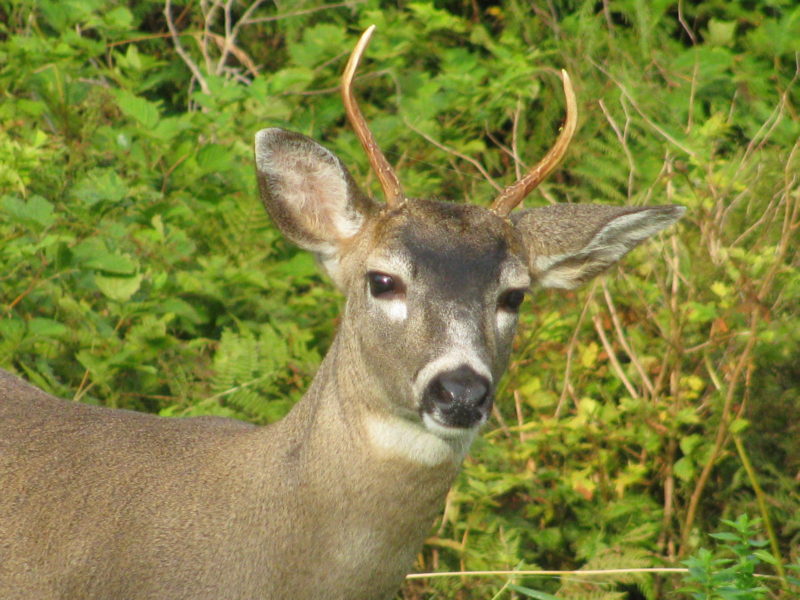
Deer in the garden? Keep them out by doing this!

Since we no longer have a dog here on the property, the deer have been getting into the yard again. Especially starting in the early spring, since this is a time of high stress for deer.

They love to munch on our apple trees and other fruit trees, but I sure don’t want them getting into the actual veggie gardens. In one night, one or two deer could do a lot of damage and the work we have done would be gone, just like that.

A deer eating vegetables in a garden.
Save this pin to your Gardening Pinterest board for later.

There are several deer repellents on the market, but I am after something more permanent than that. Sort of a “set it and forget it” type of solution.

how to keep deer out of garden
A fence or some rope are some good starting points for deterring deer.

How to Keep Deer Out of The Garden

A friend swears by using yellow rope, something she has done for years. Apparently the deer don’t like the color yellow? I am following her suggestion and asked Graham to cut some 2 x 4’s that we could screw onto the garden posts already in place. He did that for me and he also drilled 3 holes in each board.

Tips for keeping deer out of your garden
Using this yellow rope is one potential way to deter deer!

We started stringing out the rope. Here’s a good money saving hint if you need to buy rope. Never buy just 20 feet or 50 feet. You will pay a lot more when you just buy part of the roll.

Always buy the full roll, and then make sure you get a good discount on it! I did that, following Graham’s advice and saved 30% on a full rope.

Believe me, you will find a million other uses for rope on the homestead, whether it’s for tying down heavy duty tarps, using when fishing or some other project being worked on.

how to keep deer out of the garden
Building a high barrier of a color deer might not like is a great way to prevent them from coming into our garden.

We strung the rope through the drilled holes and went around the garden. Then around again. Then around once more. So here’s what it looks like out there now.

yellow rope, wildlife
Using this yellow rope is a solution that seems to work for us!

Those targets you can see on the garden posts? They’re for target shooting. Graham uses them to sight in his guns and it doesn’t hurt to be able to do some safe target shooting when the kids come for a visit.

Adding Chicken Wire

Once we got all the yellow rope strung up, we went around and added heavy duty chicken wire to the bottom of all the fence panels surrounding the main garden. This is to keep small pests out like rabbits.

We have seen a lot of rabbits this year and you know how it goes with rabbits. If you see one, you know there are at least 100 others out there!

Deer in the garden? Here are tips to keep them out
Even though rabbits are cute, they can really do damage in a garden!

So hopefully we are all set to ward off the deer and the rabbits. I am finding quite a few snakes in the garden though and although I know they are probably eating a lot of mice, I just don’t like snakes. I’ve been know to walk into the garden going the long way around, just so I don’t have to walk by a snake. What a sissy!

If you are looking for ways to keep deer out of the garden, give the yellow rope trick a try. You can read The Yellow Rope – an update to see how our garden did after the rope was up.

How to Keep Deer Out of Your Garden – Other Options

Using Deer Repellent Sprays

While these sprays are a more temporary solution, they’re also effective deer repellents. Spray the repellent around the plants you want to keep the deer away from and the scent will keep them away! Apparently, many of these spray deer repellents remind the deer of decaying animals (some are made with rotten eggs) and dissuade them from eating your plants.

If you prefer a less smelly solution, there are certain soaps, like Irish Spring, that have properties that deer dislike. Who likes the taste of soap? Take a couple bars of soap and carve up some shavings to sprinkle around the garden. Using hot pepper like cayenne can also deter deer. These deer sprays use hot cayenne pepper as one of their ingredients.

Just be sure to avoid products that could be potentially harmful to pets or people, especially if you’re growing a lot of food to be eaten!

a deer eating in a garden
This guide will teach you everything you need to know about keeping deer away from your plants!

Using Deer Resistant Plants

There are natural deer deterrents you can grow in your garden, as well as some tactics for managing your plants that will prevent deer from feeling comfortable grazing there.

Here are some deer-resistant garden plants that are good to grow as a natural physical barrier in order to prevent deer from coming into your garden:

  • Garlic – the strong aroma will be undesirable to the deer.
  • Lavender – though we might like the smell, apparently deer don’t as much!
  • Mountain Mint
  • Catmint
  • Chives
  • Rosemary
  • Lamb’s Ear – Has a texture that deer don’t particularly like.

The reason these plants function well is for a few different reasons. Some of them, deer just don’t like the scent. They also won’t want to walk through vegetation with strong odors, as that will make them more of a target for any predators. And finally, strong scents can cover up the delicious aromas of fresh vegetables and fruits that can attract deer.

A blooming lavender hedge around a garden to repel deer.
A wide Lavender hedge is perfect for around your vegetable garden.

Perimeter Planting to Discourage Deer

You can also find ways to arrange your plants naturally so you can keep an eye on things. Plant the ones with strong aromas around the edges and keep the ones you want to protect closer to your eyes. That way, if a deer or other animal does manage to get into your garden, you’ll be able to see it and scare them off.

Another thing to try is planting shrubs or other plants that grow prickly foliage on the outer edges of your garden. This will act as another natural deterrent!

Also, keep the leaves of your plants trimmed and the landscape nice and open. If a deer feels like your garden is a good predator guard, it will feel safe there. Making your vegetable gardens more open areas with less places to hide will make it so deer feel less inclined to stop and munch on your plants!

You can learn more about deer proofing your garden with any of these books.


Using Fencing

If you really mean business and have the resources for it, you could put up a deer fence around the perimeter of your garden, like we did. Built correctly, a tall fence will keep deer away from your plants (though it may not be enough to block other animals). Aim for a fence that’s anywhere from 6 to 10 feet tall.

In some cases, the deer might be quite persistent. Instead of wood or wire fences, it may be helpful to use electric fences, which will definitely deter deer from coming into your garden. Just be sure to check your local zoning laws before committing to electric fencing, as it’s not allowed everywhere.

For something less invasive and visible, fishing line can also be strung in the garden. The deer won’t be able to see it well, and walking into it will frighten them away. This is a great option when you want something inexpensive that won’t affect the beauty of your garden.


Using Scare Tactics

Another potential solution is to lean into scare tactics and install sprinklers that have a motion-activated function. The water won’t harm the deer, but the sudden spray from a motion-activated sprinkler like these will most likely scare them off and prevent them from eating your plants. Plus, it will keep your garden beds hydrated!

You could also hang wind chimes; the sound will make the deer uneasy and less likely to approach.


originally published 2014; latest update April 2025

Filed Under: Grow Your Own Vegetables

Setting Goals for Your Homestead

By Annie

These ideas for setting goals for your homestead can help you plan your coming year.


A green field with a barn in the distance.


Winter is setting in and that means we can linger over that extra cup of coffee in the morning and just generally move at a slower place. After a few weeks of rest, our minds gradually start turning to the next year. Usually, that means beginning to set some goals for the year.

We’re big fans of planning yearly projects and we try hard to not “bite off more than we can chew”. We’re not always successful; some years we are pretty busy.

But, we like to spend some time over the winter thinking about the upcoming year and all the possibilities that exist. Setting goals for your homestead is a very important part of your planning.


A open view of a homestead including a large garden, small greenhouse and an open barn.
With some planning, you can set goals for your homestead.


Setting Goals for your homestead

Goal setting is something we should be doing all the time during the previous year, but it’s hard. We are often way too busy just trying to get the gardens harvested or trying to get animals finished and butchered.

Yet the very best time to be planning for the coming year is exactly at these times! We can come up with new ideas to be more efficient while we are carrying out these chores. Right?


hilled potatoes in the garden
Potatoes are easy to grow and help break up clay soil.


It’s when I am harvesting the garden, digging out the bumper crop of potatoes that I tend to get some ideas. I think about the need to amend the soil or to get another bale of straw for mulching.

When I’m digging carrots, I realize that I really need to spend more time to keep the weeds out of the carrot bed. I make sure I carry my cell phone or a small notebook in my pocket when I am working outside.

Then, as I think of ideas or small projects that need to be finished, I can make a quick note. Later I can prioritize them or just start doing them and moving on. Or add them to the list of goals to get finished next year.


Our Goals for next year:

This is probably not a complete list and we reserve the right to not finish it all 🙂  In the end, it depends on free hours during the day and the amount of money in our jeans.


Raising Chickens for Meat


Cornish Cross white chickens in a coop.
Cornish Cross chickens in their coop.


We will do meat birds again next year. We will probably get about 25 so we can grow some for our friends. Homegrown chicken is awesome and well worth the cost!

Home raised chicken is more expensive than grocery store chicken, but we know just what went into those birds. It takes 8 weeks from the time we get them (as day old chicks) to the time we can butcher them for our dinner table.

And we can get 8 pound meat birds after raising them for 8 weeks. It’s not a long term investment and if we’re going to be home anyway to tend gardens, then why not raise some?


Raising Pigs for Meat


A weaner pig in his yard getting petted by his farmer.
Weaner pigs are cute and friendly.


We’d love to be raising pigs for meat again, but I’m not sure that this is the year for it. This is a goal that needs more thought.

I don’t think we need them for meat, as we still have some left in the freezer.


Raising Beef for Meat


Three black cows stand in a bit of snow in a field, eating hay.
Raising cattle is a great goal to work towards.


So we are probably not doing pigs. However, we do have these guys! They arrived in the fall and are Black Angus steers.

We are feeding them hay from our own fields that Graham was able to cut last summer. One of our goals a couple years ago was to get this pasture area fully fenced – that part was easy as it was almost done.


a field of growing garlic lays at the valley bottom
Find a great farmers market opportunity and give it a try!


Leave wiggle room for extra things that come up

Once we knew we were planning to get cows, we had to take a better look at our fencing needs. We would have to run fencing around our large Garlic field which is inside this pasture.

Because we planned ahead, we were able to take the time over the summer to get the work done. By the time the cattle arrived, we were ready for them. But had we thought of everything?

We really only found out after the fact. As in, after the cows get out of that small section of fencing way down in the pasture (that we didn’t see). But trying to plan ahead is so important. Still, you need to leave wiggle room for all the extra things that invariably will come up.


Keep your goals realistic

There’s nothing worse than setting too many goals for the year. That only leads to failure in one area or another. We are far better to plan small so we can successfully meet those goals.

Who wants to screw up their plans because they put far too much on their own plates?

Yet people do this…all the time.


3 angus steers grazing on a hayfield
Cows grazing on a hayed field.


This failure to succeed is one thing, if you’re talking vegetables or fruits. It’s totally another thing and much worse, if you’re talking about animals. Getting too many animals and failing to meet their needs is a terrible thing.

So take your time, set small goals for yourself and your homestead and ensure that you can carry out to succeed with those goals. When you succeed, you can add another goal to your list for the following year.


Planning a vegetable garden


a garden full of growing vegetables surrounded by fencing
Early Fall garden ready to be harvested.


A lot of thought goes into our food garden. How many beans do I need to grow? Do we have enough canned pickled beets still from last year? It takes me at least a week to figure out what I need to grow. Here’s how I am planning our food garden this year.

Because we are really busy all summer long working with garlic, I can’t spend hours on end in the vegetable garden. So, in busy years, we need to cut back on the garden size and all the canning we do.

Getting started

What are the goals and plans you have for next year? Think them through to ensure your goals are attainable and then, carry them out!


freshly laid eggs wait to be picked up from the nesting boxes
A few chickens can contribute to your homestead.


Here’s a link to an article I wrote a few years ago about how to go about beginning to provide for your family on your homestead. It talks about the importance of starting small and then growing from there.

Plan for the needs of your own family before starting to sell goods to others. As long as you do that, you can reduce your own expenses.

Once you have that firmly in hand, take the next step (if you like) and start selling your produce or your products to others.

If you’re new to living in the country or buying property is on your list of goals, take a look at my eBook “15 Things to Know About Living in the Country“.

It’s a quick read, designed to get you thinking about what to look for when checking out country property. Add your own ideas to the list and start planning!


Filed Under: Food, Grow Your Own Vegetables, Raising Chickens

Come Into the Greenhouse

By Annie

These last weeks, it has been pretty busy around here. Hoping I get a chance now to put up some posts on what we have been up to. Here’s our Greenhouse – I’ve been spending quite a bit of time in there the last couple of days.

greenhouse, country living in a cariboo valley, tomatoes, peppers, northern greenhouse


This photo was taken last summer. In my Cold Room Inventory post, I wrote about hunting around downstairs only to find we had no green beans left in storage. I have got to plant lots this year.

Since we’re not planting a lot of tomatoes or peppers this year, I figured I would plant green beans throughout the greenhouse this summer. We have been having wonderfully warm days, but the nights are still very cool here. Too cool certainly, to plant bean seeds in the main garden. I’ll wait another week at least before planting them out there, and even then, will be covering them with Remay cloth.


greenhouse, country living in a cariboo valley, tomatoes, peppers, northern greenhouse

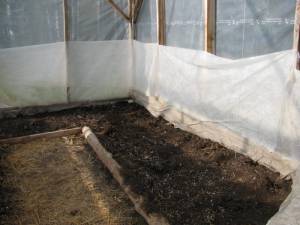
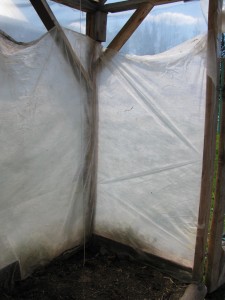
Thinking of how I could increase the temperature in the unheated Greenhouse, a thought occured to me. Why not staple up Remay cloth around the inside perimeter? This should increase the temperature by 2 or 3 degrees and I could get an earlier start with planting beans in there.


greenhouse, country living in a cariboo valley, tomatoes, peppers, northern greenhouse

While I was stapling it up, I realized I could just attach it half way up for now. That should help keep it even warmer. That’s what I did and later on, after the plants are all up and established, I should be able to staple the Remay up the rest of the Greenhouse walls.

After finishing with the cloth, I started watering the beds. I also laid a layer of compost over the whole area. I watered well several times a day for 3 days, digging down with a trowel to see how far down the moisture was going. It is amazing how dry the soil is when you first start watering it. It takes several repeats to get the soil moist enough for planting.

This morning, I brought my few tomato and pepper plants out to the Greenhouse.


greenhouse, country living in a cariboo valley, tomatoes, peppers, northern greenhouse

I have 5 Sweet Green Peppers that have been planted into the pots and they will sit on the shelf there.


greenhouse, country living in a cariboo valley, tomatoes, peppers, northern greenhouse

This morning, I stapled up the Remay in the one front corner, in preparation for planting Tomatoes.


 greenhouse, country living in a cariboo valley, tomatoes, peppers, northern greenhouse

After I dig the hole, I pound in the stake that this plant will need to hold itself up. Always have a stake or some type of support for your tomatoes, the plant ends up heavy and you don’t want branches snapping off, once the fruit is setting.

Then I put in the plant, usually taking off the lowest branches in order to plant the tomato deeper in the ground than it was in its growing pot. Deeper is always better for tomatoes. Then right away, I use a couple of velcro ties to hold the stem to the stake.


greenhouse, country living in a cariboo valley, tomatoes, peppers, northern greenhouse


I love these ties – I bought a roll probably 5 years ago and it’s still going strong. As the tomato plant now settles in and starts growing, I will add more ties, securing the plant to the stake. By the harvesting season, I could well have 6 or more ties on each plant. Sometimes, depending on how much fruit is on the plant, we also need to use string. We hang it from the Greenhouse ceiling and then tie the tomato branches to it.

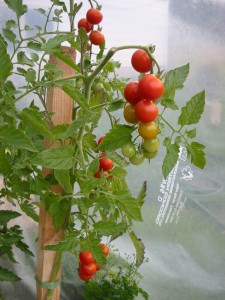
These plants have already set their first flowers. Hopefully in a few months, the plants will look like this.


 Are you growing in a Greenhouse? Would you like to? We sure do love using ours! If you want to read more about growing in a Greenhouse, just click the link.

Filed Under: Greenhouse, Grow Your Own Vegetables

How to Weed an Asparagus Patch

By Annie

Here’s how to weed an Asparagus patch to grow healthy plentiful stalks of Asparagus every year.

Asparagus is one of the very early treats in our garden. By the time it’s ready for picking in June, we’re itching for fresh garden vegetables. And nothing can beat the taste of fresh Asparagus! Steamed very lightly for maybe 4 minutes tops, it’s one of our favourite sides dishes at dinner.

Weeding an asparagus patch
Here’s how to weed an asparagus patch so you can get long harvests.

Part of maintaining your asparagus beds is regular weeding. Weed control of both annual weeds and the much worse perennial weeds is something that should be done starting in early spring. Here’s more about how to weed an asparagus patch, so you can grow lots of healthy stalks every spring.

If you’ve got weeds in asparagus beds, do your best to remove them throughout the growing season. You will find you have healthier harvests of asparagus spears!

How to Weed an Asparagus Patch

Before we get into the weeding details, here’s some general important information to know about how to grow asparagus in your garden.

Planting An Asparagus Bed

Asparagus needs to be planted in its own bed; you can also grow asparagus in raised beds, which will definitely make it easier to keep weed free.

Asparagus is a perennial, which means it is planted once and will then come up every spring, grow, then die down in the fall. It is common for a well-cared for patch of Asparagus to be productive for decades. 

This is why it needs its own space; you don’t want to plant Asparagus where you will be tilling or digging. Take the time to amend the soil heavily before planting Asparagus crowns.

Also, because Asparagus takes several years before you can start freely picking the stalks, always try to order one or two year old asparagus crowns from the nursery. 

The older the asparagus crowns that you plant, the sooner you will be able to enjoy really good harvests. So, try for two (or even three) year old Asparagus crowns.

Planting asparagus in a trench
Plant asparagus crowns on a mound of dirt in a trench for best results.

Using a Trench for Asparagus Plants

The very best way to get a patch started is by digging a trench roughly 2 feet deep. Then, make a mound of dirt in the trench. Plant the individual crowns by spreading the roots freely into the trench. Then, backfill with some of the soil (not all).

Over that first growing season, keep backfilling the trench as the plants grow. This will allow each asparagus plant to be grown as deep as possible, with the growing stalks under the dirt as deep as possible. This is great for the coming years.

Leave the plants alone the first year, and do not not cut any at all. The plants will settle in over that first year and you want as much energy as possible going into feeding those roots.


Asparagus needs to grow in a weed free bed.


The following year you can snap a few stalks but don’t take much. And take only one stalk from each plant. Leave as much alone to grow and send up those beautiful asparagus fern fronds. Always leave plenty of stalks for next year’s crop. The longer you can hold off free picking, the more Asparagus you will have in later years.

By the third or fourth year, you should be able to pick freely. Here in our Zone 3 garden, the final harvest is in mid-July or so, then we leave the rest of the plants to grow.

Weeding an Asparagus Bed

Our garden is an organic garden, so we don’t use any type of chemicals here. Although you can use chemicals like roundup to keep your bed weed free, that’s not the route we go.

The most important thing to keep in mind when cleaning and maintaining your Asparagus patch is to NOT disturb the roots of the plants. This is because if the roots get cut or nicked by your garden trowel, that portion of the plant may die. Asparagus roots are so sensitive!

 If you have lots of weeds that have creeped into your patch, start weeding at a point farthest away from the actual plants. Then use a shallow garden trowel to gently start lifting the dirt and pulling weeds. 

I have learned from experience that the roots are so darn sensitive to any lifting or nicking that I won’t use either a hoe or a shovel. I use only the shallower garden trowel. Always remember, shallow cultivation is the key!

Soil that is lightly worked will make it easier for getting rid of weeds. Take your time and start working your way from the outside of the bed, where you can did deeper and work towards the actual plants, where you will need to work much shallower and gentler.

If you have any trailing weeds, like couch grass or Johnson grass (that grow by underground runners), this process will make it easier to get the entire root out without breaking off.

Over the season, if you can keep any small weeds from growing, do it! Check your patch weekly and get rid of any weed seedlings.

You can also use this Canada Thistle DIY weed killer recipe in your asparagus bed, but be careful not to hit the asparagus plants with it, as it will kill anything it touches.

Mulching an Asparagus Bed

What can you put on asparagus to keep the weeds down?

Once you have your patch all weeded and cleaned out, using mulch is a great way to keep any new weeds from growing up in the bed. I like to put roughly a 5 inch layer of mulch (we use straw) over the entire patch.

Asparagus stalks growing through mulch
The stalks will grow up through the mulch.

The stalks will be able to grow through the straw, and once I see them poking up, I can remove a little bit of the straw around each of the asparagus plants.

Other mulches to use on asparagus patches include:

  • pine shavings
  • bark mulch
  • straw
  • spent clean hay
  • pine needles
  • leaves
  • sawdust
  • seaweed (composted)

Can you use plastic as a mulch for asparagus?

Yes, you can use plastic as mulch! We often do this, using a roll of black plastic. Black plastic gets laid in between each of our asparagus rows, then put straw on top of that.


Using plastic or heavy mulch can help keep the weeds down in the Asparagus bed.

We also lay the plastic all around the outside of the actual bed itself, to keep grass from encroaching from the lawn. Plastic works well to keep the weeds under control.

And as a bonus, if you have spreading weeds like we do, any roots that do get through are much weaker because they have zero access to light. This makes it even easier for weeding the asparagus bed.

Growing Asparagus in a Raised Bed

This is by far the best way to grow your own patch. Building a raised bed means lots of good soil, a nice deep trench for the asparagus to grow and it is more difficult for weeds that grow from spreading roots to take hold.

I wish we would have planted asparagus in a raised bed here, as it would have saved hours of weeding time.

First Asparagus poking through soil
The first asparagus stalks of the year poking through the soil

We have boards all around the perimeter of the asparagus patch. That does help quite a bit; we dug a trench and then set the boards in that trench.

However, with the couch grass we have, it doesn’t help much because the roots just go deeper, get under the board and pop up in the bed. It would have been much better if we had grown the plants in a raised bed to start with. It is a good option worth considering when you start your own patch.


Asparagus fronds in late August
Pretty Asparagus fronds in late August.

Keeping the Asparagus Bed Weed Free

Once we stop picking (and it is always hard to do that!) we leave the spears to grow into fronds. This will help us get a larger harvest next year.

Spend the time before you plant your Asparagus bed to make it the very best you can. Make sure it is weed free and then keep it that way. An Asparagus bed can easily remain in the same place for twenty years.

You can learn more about growing Asparagus here.


Asparagus likes to grow in a weed free bed of its own. This perennial vegetable can live for 30 years!


Asparagus is one of the earliest vegetables you can eat in the Spring and it is delicious. Steam it very lightly, then enjoy. It will be crunchy, firm and delicious!


Pickled Asparagus recipe - spears with a zing!


Make some Pickled Asparagus for your pantry! These Asparagus Spears have a great zing to them – add one to your Caesar or Bloody Mary!

We also enjoy this side dish – Garlic Parmesan Asparagus with garden fresh stalks is so good!

Now that you know how to weed an Asparagus patch, plan where to site your bed and get some crowns in the ground.

Asparagus stalks poking through garden soil.
Save to your Pinterest board.


Filed Under: Grow Your Own Vegetables

Getting Your Yard Ready For Winter – Part 1

By Annie

Getting your yard ready for winter is something every gardener needs to do.

Ahhh, Fall – that wonderful time of the year. The temperatures are dropping and it’s wonderful for working outside.

The leaves start changing colour and just by looking around, you can see everything starting to get ready for the coming Winter.

Now is the time to start tucking your yard in for the Winter.


The Garden Harvests have slowed down somewhat, but we’re still digging up potatoes, perhaps pulling off the last of the ripe tomatoes and grabbing the squash before the frosts start coming.

It’s time – time to start putting the Garden to bed for the wintertime. Winter is a period of rest. For us Food Gardening fanatics, it’s a time of standing back and gazing upon all those jars of canned goods now sitting on your pantry shelf.


Our Cold Room is filling up, not only with surplus jars of canned Tomato Sauce, Green Beans and Beets, but also sacks of Potatoes, Onions and Garlic. We should be well supplied for the entire Winter and well into next Spring.

Time to sit down now and have a bit of a rest. We’ve all earned that extra cup of tea and relax time now. There is still lots to do, but the hurried pace has slowed a bit.

5 Things we do each Fall:

Pick Stuff Up!

We can get a LOT of snow so it is crucial to start picking “things” up. We have a (bad) habit of leaving things out during the Summer.

Shovels, hoes, pitchforks, they can all be found either laying in the Garden or leaned up against various fences depending on where they were used last.


If we don’t pick things up in the Fall, there is a chance we will not see them again until Spring. Once the snow flies things disappear pretty quick around here. So, we walk around and gather up all our tools.

Clean and Maintain our Tools:

Shovels, hoes and the like will benefit from a good cleaning. Dip a cloth in some used motor oil and wipe your tools with it. This will help keep the tools from rusting. Now is a great time to sharpen shovels and hoes.

Gather up all your garden hoses, irrigation timers and the like. Store your hoses under cover and bring the timers and manifolds into the house to keep them there over Winter.


Store the yard lighting and ornaments:

If you live in deep snow areas, be sure to gather up all your yard lights. We have a lot of Solar Lights in our yard and I make sure they all get brought up to the house to be stored, at least for awhile.

Sometimes in February, I will put them back out, setting them into the snow. I like to wait until I think the majority of snow has fallen.

With all the snow shoveling we do around our home, I don’t want the extra work of having to dig the solar lights out of the snow!


Rake the Lawn:

Raking the lawn area to get rid of the dried thatch is a good idea now, if you have the time. Giving the lawn one last mow is also on the list – it will help your lawn get off to a better start next Spring.

Cut back the Perennials:

When your Perennial flowers start dying back, it is a good time to cut them down close to the ground. Some people like to leave this job until the Spring and it certainly can provide some Winter interest to see the heads of grasses or dried Hydrangeas covered with snow.


Whether you do this job now or in Spring, the steps are the same – cut back your Perennial plants almost to the ground, remove the debris and add it to your Compost pile. Come Spring, these plants will send up new growth and be healthy and blooming within a few months.

Trim any Shrubs that need it. Trim just above a leaf set and if the stems are quite sturdy, you can use these to make a teepee around more fragile Perennials. Just push them into the ground and add lots of leaves or straw to the teepee for extra protection.

In the next post, I’ll concentrate on the Vegetable and Fruit Gardens, as well as compost piles. Pop over here to read the next installment of  Tucking Your Garden in for Winter.

Other Winter posts:

Read here to find out how to properly layer clothing for the winter – and be able to spend more time outside.

Want to learn how to make your garden beautiful, even in winter?


Filed Under: Grow Your Own Vegetables Tagged With: self sufficiency, vegetables

  • « Previous Page
  • 1
  • …
  • 8
  • 9
  • 10

Connect With Us!

  • Email
  • Facebook
  • Instagram
  • Pinterest
  • Twitter

Search this site

Generic selectors
Exact matches only
Search in title
Search in content
Post Type Selectors
Search in posts
Search in pages

Our Most Popular Posts

Garlic cloves in oil

How to Preserve Garlic in Oil – and Other Ways to Store Garlic

a open jar of pickled brussel sprouts on a counter

Easy Pickled Brussels Sprouts Recipe (Water Bath Canning)

Privacy Policy

Read about our Privacy Policy

Disclosure

Please note that some of this site’s links are affiliate links, and CountryLivinginaCaribooValley.com is a participant in the Amazon Services LLC Associates Program, an affiliate advertising program designed to provide a means for us to earn fees by linking to Amazon.com and affiliated sites. At NO ADDITIONAL COST TO YOU, I will earn a small commission, if you purchase them. I recommend them as they are good products.

Theme Design By Studio Mommy · Copyright © 2026