Country Living in a Cariboo Valley

Homesteading in BC

  • How to Get Started
  • Vegetable Gardening
  • Preserving Food
  • Recipes
  • Homemade Wine Recipes
  • About Us
  • Work With Me
  • Shop
    • Vegetable Garden Planner Printable: Grow Your Best Garden Ever
    • Grow Enough Food for a Year
    • Delicious Dandelions: A Recipe Collection
    • Dirt to Dollars: Selling at the Farmers Market
    • 8 Pounds in 8 Weeks: Raising Chicks for the Dinner Table
    • Making Wild Wine
    • Build a Hanging Chicken Feeder
    • 15 Things to Know About Living in the Country

How to Make Your Own Pumpkin Pie Spice – Recipe

By Annie

This Homemade Pumpkin Pie Spice Recipe is so simple to make and will be a huge asset when fall rolls around. Versatile, warm, and full of pungent flavors, this blend of spices will become an autumn favorite!

Sometimes you need pumpkin pie spice to whip up a delicious pie but you look and search finding no pumpkin spice in your spice cabinet.

Have no fear! I’m going to show you how to make your own pumpkin spice mix; it is so easy to and you won’t have to buy the expensive grocery store mix. You probably already have the ingredients in your cupboard to make your own.


Homemade Pumpkin Pie Spice ingredients in a small bowl.
Homemade Pumpkin Pie spice can be made with 3, 4 or even 5 ingredients – you decide!

Why You’ll Love this Spice Blend

Make your own homemade pumpkin spice, so that you you will always have this popular spice on hand for pies during the autumn season. This recipe also allows you to control the proportions of the spices included, so you can customize the blend to your taste!


Pumpkin Pie Spice in a bowl.
This simple and classic pumpkin pie spice recipe is perfect for autumnal cooking and baking!


Ingredients Needed

  • cinnamon – a little bit sweet and warm, cinnamon is the perfect base for any pumpkin pie spice.
  • nutmeg – gives your spice blend a bit of nuttiness.
  • ginger – adds some bite and body to your spices.
  • cloves – provide a nice blend of sweet and slightly bitter.
  • allspice – contributes a slightly peppery flavor.


How to Make Your Own Homemade Spice Mix

Pumpkins and spice on counter.
This spice blend is made up of ingredients that you probably already have in your pantry, which makes it simple and convenient.

Pumpkin pie spice has a nice kick of spice that adds valuable flavor to your pumpkin pie. Pumpkin pie spice is a combination of the warm spices you think of during autumn. This is a blend of spices you generally use during the autumn and holiday baking season.

This pumpkin pie spice recipe consists of allspice, nutmeg, cinnamon, and cloves to name a few of the warm spices you’d use to make your own pumpkin pie spice.

How to Use Homemade Pumpkin Spice

Pumpkin Spice can be used in a lot of different ways, including baking, cooking, adding to hot drinks and more. Use your imagination to determine if the flavour of what you are baking or cooking will be enhanced even more if you add some to the rest of your ingredients.

Use Pumpkin Spice in:

  • pumpkin pies
  • pumpkin spice lattes
  • muffins
  • cookies
  • oatmeal
  • waffles
  • pancakes


Here’s not only one pumpkin pie spice recipe for you to choose from, but 3 (just depends on the flavors you like and what you have on hand). The total time to whip up a batch is literally a couple of minutes, if that!


What ingredients can I use if I don’t have pumpkin pie spice?

Fortunately, you can make it several different ways. Just follow the instructions according to what you want to include.


3 Ingredient Pumpkin Spice

Spices being mixed.
The best part of this pumpkin pie spice recipe is that it’s entirely customizable. Leave out what you don’t love, and add more of what you do!

You can use 1 teaspoon cinnamon with ½ teaspoon ginger and ½ teaspoon ground cloves. (You can substitute ¼ teaspoon of ground nutmeg when you don’t have cloves.) This is one of the more popular substitutes for pumpkin pie spice.


4 Ingredient Pumpkin Pie Spice

Cinnamon, ginger, cloves and nutmeg being mixed together.
This 3-ingredient variety is the most simple but will still result in lots of flavor for your pumpkin pie.

Another popular recipe for making your own pumpkin pie spice includes blending ½ teaspoon cinnamon, ¼ teaspoon ginger, 1/8 teaspoon nutmeg, and 1/8 teaspoon allspice. This blend tastes closer to the flavor you’d expect from the store-bought mix.


5 Ingredient Pumpkin Pie Spice

5 ingredient pumpkin pie spice recipe mixed together
If you happen to have all of the ingredients on hand, making the 5-spice homemade spice blend version is a great way to give your spice blend lots of variety in flavor.

A third option to make your own pumpkin spice is to mix 3 tablespoons ground cinnamon, 2 teaspoons ground ginger, 2 teaspoons ground nutmeg, 1 teaspoon ground allspice, and 1 teaspoon ground cloves. This combination will give you a subtly complex blend of spices that’s sure to enhance any pumpkin pie!


This Fireball Pumpkin Pie is a hit at our home every Fall and through Winter. Here’s the full recipe that you can print.


How to Store Homemade Pumpkin Pie Spice

A mason jar holds a Pumpkin Pie Spice recipe mix.
Stored away properly, your homemade blend can last for up to 3 years!

Once you’ve opted to make your own pumpkin pie spice, you’ll want to place all of the spices into a small bowl and use a whisk to blend the spices evenly.

Then, you can just store your batch of homemade pumpkin pie spice in an airtight container in your pantry. I like to use the small jelly mason jars. When stored properly you’ll find that your own pumpkin pie spice mix lasts 2-3 years.


This Home Made Pumpkin Puree can be used for baking, making soup or even a dinner side dish.


What is the difference between allspice and pumpkin pie spice?

You may wonder what the difference between allspice and pumpkin pie spice is. This is a common question from people who are new to baking autumn and holiday treats.

Pumpkin pie spice is a mixture of many spices, as shown above in the three ways to make your own homemade blend. Allspice is one spice that is made from ground allspice berries, and allspice is often one of the components of pumpkin pie spice.


Tips for Making Pumpkin Pie Spice

The key to making your own pumpkin spice blend is to mix each of the ingredients listed above together until you have a flavor that matches your taste expectations for pumpkin pie spice.

Each of you may have a nostalgic flavor you’re looking to match for your autumn and holiday baking treats.

Make sure you test each of the options you can use if you don’t have pumpkin pie spice. Just dab your slightly wet finger in the mix and taste test before using your homemade spice mixture in your recipes.


More Baking Suggestions

Our entire Country Living in a Cariboo Valley Recipe Collection can be found here, and here are some more fantastic baking recipes hand-picked for you!

  • This Easy Apple Crisp is another fantastic dessert for the colder months.
  • For something light and refreshing, try this Lemon Loaf Cake with Rosemary Glaze.
  • Boterkoek, or almond butter cake, is a traditional Dutch recipe, and it’s perfect for the holidays. Give it a try!
Pumpkins and squash sit on a wood counter.
Once you try this homemade pumpkin pie spice recipe, you’ll never go back to store bought again!


a mix of pumpkin spices

Homemade Pumpkin Spice

Yield: 1 teaspoon
Prep Time: 2 minutes
Total Time: 2 minutes

This homemade Pumpkin Spice can be used in baking and cooking recipes. This recipe makes 1 teaspoon of mix; triple or quadruple the measurements to make enough to store for future use.

Ingredients

  • 1/2 tsp cinnamon
  • 1/4 tsp ginger
  • 1/8 tsp nutmeg
  • 1/8 tsp allspice

Instructions

  1. In a small bowl, mix the spices together well.
  2. Use in your recipe.

Notes

This recipe is easy to make a double or triple batch. Store in a small airtight container for future use. Keep in a cupboard along with your other kitchen spices.

Nutrition Information:
Yield: 1 Serving Size: 1
Amount Per Serving: Calories: 6Total Fat: 0gSaturated Fat: 0gTrans Fat: 0gUnsaturated Fat: 0gCholesterol: 0mgSodium: 0mgCarbohydrates: 1gFiber: 1gSugar: 0gProtein: 0g

Did you make this recipe?

Please leave a comment on the blog or share a photo on Pinterest

© Annie
Cuisine: American

First Published March 2019; latest update June, 2023


Filed Under: Food, Recipes

4 Ways to Preserve and Store Food

By Annie

Food preservation isn’t just a skill; it is a way to really maximize your harvest, reduce waste, and preserve the flavors of the season all year round. I share how to store your food properly so you can save money, time, and stress.

Whether you grow your own vegetables or take advantage of farmers markets, you need a way to preserve and store that food for several months. Here are 4 ways to preserve and store food.

Stocking up in September & October when the harvest is plentiful is a great way to do it. Prices are lower, and there are a lot of choice veggies available.

Below, I’ve linked up some of our best posts on preserving food. Take a look! From preserving herbs, pickling (using brine and vinegars), making kimchi from scratch, jerky, homemade sauces, soups, salsas, stews and more, all from your own garden.

(Want a complete list of all of our preserving articles? They’re right here)


Here are 4 ways to preserve and store food:


Harvested carrots and lovage


Storing some food is a great way to save money. Prices are definitely going to be higher all winter long because of the lower local supply and the same high demand.

Starting your own food stockpile is a way to save money and feel more in control of your personal food supply.

Plus, preserving food is a fantastic way to reduce food spoilage if you are looking for a lower footprint. Plus, you can maximize long-term storage on items and reduce grocery store trips.

Read on for some popular methods of home food preservation.


A basket of fresh garden greens sits on a kitchen counter


Freezing Food

You can freeze some veggies. Every summer, I freeze a one-year supply of shelled green peas. And why not? Canning recipes is a great way to add shelf life to all that summer produce you worked hard on all summer. 

They taste fresh all winter long and don’t take long to make. You can even use fresh fruit like pears and apples to make jams and more in jars to keep on hand in your pantry. 

Plus, it’s guaranteed rocking time in the late afternoons – someone has to shell all the peas! Having self-sufficiency tools for preserving your goods is going to be a game-changer.

Other food items that works best for freezing include:

  • poultry
  • seafood
  • meat

 Use good quality freezer bags and ensure you close them air tight to keep out moisture and stop any growth of microorganisms.


Canned carrots and pickled beets on a counter


Canning Food

You can home can some veggies. Want to water bath can some Pickled Beets? How about pressure canning some Green Beans?

Water bath canning is the most usual way to preserve fruit like cherries, peaches and other stone fruits.

You can also water bath can a variety of juices too.

Home canning food can completely fill your pantry – you can literally save thousands of dollars a year by canning extra food. Aim for airtight containers, mason jars, and more that will help truly create that seal you need when it comes to canning jellies, berries, beef, and more.

They taste fresh all winter long and don’t take long to make. You can even use fresh fruit like pears and apples to make jams and more in jars to keep on hand in your pantry.

Now you can can the old-school way with pots of boiling water, or invest in a pressure canner. Either way, you have choices of food preservation methods that work best for you.

I love using the fermentation process for cabbage to make sauerkraut and other items to keep in your pantry. It adds so much flavor.

You can do this with pickling carrots, tomatoes, and other vegetables as well. Helps veggies last in the fridge or pantry for much longer without reducing their nutritional value.


Fresh kale trimmed and washed on a cutting board


Dehydrating Food

You could dehydrate lots of different types of fruits, vegetables and even meat. Dehydrated food takes up a lot less room.

Herbs, of course, are often dehydrated. We dry herbs and some spices every year, including:

  • mint
  • basil
  • lovage
  • oregano

That means extra freezer room for you to stock up on meat when it’s on sale.

You can also dehydrate foods you pick up on sale or grow, such as:

  • bananas
  • peppers
  • cucumbers
  • kale (make these healthy kale chips!)
  • turn ripe fruit into fruit leather


basket of fresh garden produce ready for preserving

Storing Food in a Cold Room

You could store a few boxes of root vegetables down in the cool part of your basement. These need to be in a cooler area in your home to preserve and extend the life and prevent bacteria, botulism, mold, and more from showing up on your food.

Vegetables that store well in a cold room are:

  • potatoes
  • onions
  • carrots
  • garlic

Squashes including:

  • pumpkins
  • acorn squash
  • hubbarb squash
  • all other winter squash

Note: Zucchini can be stored in a cold room, but use it up sooner rather than later. Winter squashes can be stored longer.

Storing Food When You Don’t Have a Basement

But what do you do if you live in a rancher home? If you have no basement,  you have to start looking at other option.

You could look at building a small insulated and vented room in a corner of your garage. Another option is to have a root cellar.

If you don’t have room for food storage inside your house, an outdoor root cellar is a great way to go. Built right into the ground, you can store all kinds of root vegetables inside  a root cellar.

Mother Earth News has several plans for outdoor cellars and they range from the super simple to structured cellars.

You need to live in an area where there are cold winters. You also need to put in some time digging and setting up the root cellar.

You do not want the cans at room temperature; they need to be in a cooler area in your home to preserve and extend the life and prevent botulism, mold, and more from showing up on your food.


Use Old Freezers to Store Livestock Feed


I have seen pictures of outdoor root cellars but instead of being boxed in with wood, the builder instead drops an old deep freeze in the ground.

This is a great idea and would really work well. We use old freezers here down at the barn to hold animal feed.

We don’t care if the freezers work or not. And we are keeping a few old freezers out of the landfill. Come to think of it, that’s where we got the three we have. A great way to recycle!


fresh produce at a market


Want to see all of our food preservation posts? Head right over!

Originally posted June 2020; latest update March 2026

Filed Under: Canning, Dehydrating Vegetables and Fruit, Food

How to Defrost Chicken Fast

By Annie

The best tips for how to defrost chicken fast!

How many times have you forgotten to take chicken out of the freezer to thaw and use for dinner tonight?

Ever got home to prepare a delicious chicken dinner only to realize your chicken is still in the freezer? So frustrating, but keep reading for some great tips on how to quickly defrost a chicken.

Rather than ordering pizza or making a run to the grocery store to buy a ready-to-cook chicken, try this instead. 

There are actually a few different methods you can use when you need to quickly defrost a chicken. And it makes a difference if it is boneless chicken or bone in, so keep that in mind.

Frozen chicken pieces on a counter for defrosting.
Read on to learn safe ways to defrost chicken fast.

In this article, I’m going to share the ones that are the safest options. Before we jump into the best methods to quickly defrost chicken, let’s talk about the ways you should NOT defrost chicken. 

By the way, these thawing methods work for any type of poultry!

Chicken Defrosting Methods to Avoid

Don’t Leave Chicken Out to Thaw at Room Temperature

It may seem to make sense to let something that is frozen thaw out by just putting it somewhere that is room temperature and waiting.

But, this method is actually your best bet if you want to get food poisoning.

frozen chicken thawing on the counter is not a safe way to defrost chicken.
Frozen chicken thawing on the counter is not a safe way to defrost chicken.

Bacteria thrives in temperatures ranging from 40-140°F (5-60 °C). Most room temperatures are right smack in the middle of that range!

So, leaving your chicken sitting on the countertop leading up to dinner can lead to a risk of foodborne illness after dinner. Salmonella is a very real risk!

In fact, it’s not recommended you keep ANY meat out on the kitchen counter at room temperature for more than 1 or 2 hours – even if it’s been fully cooked. 


Don’t Defrost Chicken in the Microwave

I know, I know. The microwave literally has a defrost setting. If it’s not safe to use, why would they have it?

For one, unless you hit the perfect balance between defrost time, meat weight, and microwave wattage, there’s always a chance that some of the chicken will actually start to cook.

a meal of chicken in a bag in a microwave
Using the microwave to thaw chicken can lead to it partially cooking

This means that when you go to PROPERLY cook the chicken, those parts will likely be overcooked. Not only does this affect cooking time, but the chicken will have more of a chewy texture.

But, more importantly, defrosting chicken in the microwave can get it into that bacteria danger zone mentioned above.

Always remember: temperatures ranging from 40-140°F (5-60 °C) = Bacteria

This means you will need to cook your chicken immediately after defrosting to avoid food poisoning.

It’s also not recommended that you defrost a whole chicken in the microwave. Reserve microwave thawing for boneless, skinless chicken breasts or chicken strips. 

So, if you’re not supposed to leave it out at room temperature or pop it into microwaves and hit ‘defrost’, what SHOULD you do to quickly defrost a chicken?

Keep reading for my top 2 methods.

How to Defrost Chicken Fast

Use the Cold Water Method

One of the best ways to quickly defrost a chicken is to submerge it into cold tap water. This may seem counterproductive.

After all, why would you want to defrost something by sitting it in COLD water?

However, this is actually the method used by most professional chefs. The method is pretty straightforward. Remove the frozen chicken from the original packaging.

Place your chicken in a Ziploc bag or other leak-proof bag (to keep your meat from getting waterlogged and soggy) and then place it into either a sink full of cool water OR in a deep bowl of water.


a whole chicken sitting in cold water
A safe way to thaw chicken is in a cold water bath.


Make sure the water is less than 40°F (5°C) at all times. You can do this by either keeping a stream of water running at that temperature OR check the water every 30 minutes if you want to conserve your water. 

Depending on the size of your chicken, this method can take anywhere from 1 to 3 hours (with the bigger chickens taking longer, of course.)

If you have a whole chicken and want it to defrost faster, wait until it has defrosted enough for you to safely cut it into smaller pieces.

If it is a big chunk of smaller pieces, wait until it defrosts a bit and then carefully separate the pieces so that they’re able to defrost quicker.

It also helps to change out your water more frequently if you’re opting to go that route. 

Remember to cook the chicken as soon as it has thawed!

How to Defrost Chicken Breast Fast?

Use a Hot Water Bath

Ok, so you’re probably reading this and questioning my credibility. How do I go from recommending a cold water bath to a hot water bath?

Let me clarify: use this method ONLY for thinly sliced frozen chicken.

It’s not recommended for thick pieces of chicken or whole chickens.

But, if you’re trying to defrost some frozen boneless chicken breasts, chicken tenders, or something along those lines (no more than about an inch thick), this method can have you from frozen to ready-to-cook in 30 minutes (or less). 

As with a cold water bath, you want to place your bagged chicken in the kitchen sink or bowl full of water.

This time, however, you want the temperature of the water to be at least 140°F (60°C).

Be sure to check the temperature often and to stir the water every now and then so that pockets of cold water don’t sneak up on you.

The goal is to keep the chicken out of that bacteria danger zone and in a warm enough temperature range.

Be sure to cook the chicken as soon as it has been thawed. 

frozen chicken thawing for dinner


Quick Tips for Defrosting Chicken

Cook Defrosted Chicken Immediately

I know I’ve mentioned this at least 3 times so far, but I feel like it’s important enough to say one more time.

Once you have defrosted your chicken (by whichever method you choose) – cook it immediately!

This will help you (and your fellow dinner companions) from dealing with a bout of food poisoning. 

Defrost Chicken in the Refrigerator

If you don’t absolutely need to eat chicken tonight, I highly recommend choosing another meal to cook and defrosting your chicken in the best possible way – by using the refrigerator method.

Frozen chicken thawing in the fridge.
The safest way to defrost chicken in to set it in your fridge.


That’s right – the SAFEST way to thaw frozen chicken is in your refrigerator.

Make sure you put it in a bowl or deep pan, just in case it starts to leak. It may take 1-2 days to thaw a large whole chicken, but this is hands down the best and safest way to defrost a chicken. 

Never set thawing chicken on a refrigerator shelf above raw vegetables – prevent cross contamination!

Buy a Meat Thermometer

If you cook a lot of meat I highly recommend buying a food thermometer. They could, quite literally, be a lifesaver.

Or, at the very least, save you from spending a lot of time bent over the toilet. 

Tips for How to Freeze Chicken

If you can, try to freeze the amount of chicken your family can eat in one or two meals in one container. This way thawing time is decreased.

If you have questions about any type of food safety and handling, governmental agencies can be found online with the answers you need.

I hope that this has helped you in some way. May your days be filled with delicious meals and plenty of laughter around the dinner table!

Now, let’s get chicken on the menu and get cooking.

frozen chicken thawing on counter

Here are a few of our favourite Chicken Recipes:

Lemon and Rosemary come together to make this Mediterranean Lemon Chicken Recipe an absolute delight

This zingy Japanese Chicken is like a sweet and sour – but it’s not. It’s even better!


Now you know how to defrost chicken fast and safely, use these thawing tricks when you need them!

frozen chicken thawing for dinner


Our entire Country Living in a Cariboo Valley Recipe Collection can be found here

Chicken pieces thawing on a counter

Filed Under: Food

Foods That Naturally Boost Your Immune System

By Annie

We all know that it is important to eat healthily, but did you know that some foods naturally give your immune system a boost?

This can be especially important to keep in mind in times of stress, illness, or the ever-dreaded cold and flu season. Here are a few foods that you should be eating to keep your immune system performing at its very best.


Eat these foods to boost your immune system

healthy food that boosts your immune system

Sweet Potatoes

Sweet potatoes are just bursting with flavor, and have 130% of the daily value of vitamin A you need. Plus 30% of the daily value of vitamin C that you need. They also contain a healthy dose of fiber, no cholesterol, no fat, and only 100 calories in each one.

Vitamins A and C are very important when it comes to keeping your immune system functioning properly. There are also tons of ways that you prepare sweet potatoes so you can eat them often and not get bored with the same old thing.

Here’s a Sweet Potato Chili recipe that sounds delicious!


Garlic

Garlic has antibacterial, antifungal, and antiviral properties which make it a superfood when it comes to boosting your immune system.

Allicin is the active ingredient in garlic. Several studies have shown that people who took a supplement with it caught less than half as many colds as participants who took a placebo.


a bowl of garlic cloves on a table

The duration of the colds was also shorter for those participants. You can add garlic to nearly any savory dish that you are cooking. If you don’t like the taste garlic supplements work too.


Ginger

Ginger is full of flavor and it has both antioxidant and anti-inflammatory properties. Recent scientific studies have even shown that ginger stimulates the immune system. This helps to kill viruses like those that cause the common cold and flu.

Ginger can help to soothe a cough, and also helps to settle a queasy stomach. Drinking ginger tea regularly is an excellent way to boost your immune system. It may even prevent you from ever getting a cold in the first place.

To make ginger tea, simply slice some thin pieces off of the root and place in a cup of boiling water to steep. You can also add ginger to stir-fries, soups or curries.

A little grated ginger makes a wonderful addition to some baked goods and marinades for your favorite meat.


Spinach

Spinach is full of vitamin C, and folate, both of which boost your immune system. Vitamin C is a powerful antioxidant that fights off infection. It also helps to replenish other antioxidants in the body.

spinach growing in the garden


Spinach also contains a healthy dose of zinc which many people take as a supplement when they have a cold. Throw it in a salad, a smoothie, or your stir fry. You will reap the benefits from both raw and cooked spinach.


Cinnamon

Cinnamon is packed full of antioxidants, as well as anti-bacterial, anti-fungal, and anti-viral properties. It’s a great spice to give your immune system a boost.

It also helps to lower blood sugar and may help to lower blood pressure as well. Cinnamon can easily be added to your morning coffee or tea, baked goods, and smoothies.

You can also add a pinch of cinnamon to savory dishes that have another warming spice like cumin or turmeric in them.


Blueberries

Blueberries are a superfood and the small little berries pack a powerful punch when it comes to your health and boosting your immune system.

Growing blueberries to eat because they are an immune system booster.


They are filled with antioxidants, vitamins, and fiber. They really help to boost your immune system. Blueberries can also help to lower your blood pressure, prevent heart disease, boost your brain health, and lower blood sugar.

You should consider adding blueberries to your diet to improve your health.


These are just a few of the foods that you should be eating if you want to improve your health and give your immune system a boost to prevent you from getting sick in the first place.

The more of these foods and others that you can add to your diet, the better you will feel. Many of these immune-boosting foods can also be enjoyed together for an even more powerful boost to your immune system.


healthy food to boost your immune system


Wanting to make sure you have a well stocked Pantry over the winter months? Check out these Pantry Essentials to keep on hand.

Check out our Recipe Collection here on Country Living – nothing but fresh and healthy (often homegrown) food here! Well….we do have some sugary Christmas treats too.

Here’s a great plan for saving money on groceries – take a look!


Filed Under: Food

Winter Pantry Staples for When You are Stuck at Home

By Annie

This list of pantry staples to keep on hand will ensure you have what you need in case of emergency.

Winter is here and that can mean finding yourself stuck indoors for a few days while waiting for a blizzard or winter storm to pass. There is nothing worse than hearing the latest forecast and not being prepared. Going out to the store only to find that there is nothing left to buy is not a good thing.

A well-stocked winter pantry can keep you from having to head out, and you will know that you have plenty of food on hand to keep your family full and happy. Read this post to learn what healthy pantry staples are must-haves!

cured potatoes and garlic sit in food storage
These pantry essentials are great for winter, but will be perfect to have on hand regardless of the time of year.

We fill our pantry with home canned goods. And in the winter, after we’ve spent the morning outside playing in the snow, we can come in and grab some home canned soup for lunch. 

Some days we are outside almost all day long – it helps that we’ve learned how to layer winter clothing the right way – and yes, there is a right way to do it. 

While our shelves are full of home canned vegetables, fruits and meats, you don’t need to home can if you don’t want to!

Instead, stock up at the grocery store when your favorite foods are on sale. Even adding a few cans a week to your shopping list will help to fill pantry shelves for the winter.

Whenever you find a great deal, buy a case if you can afford it. You’ll be eating that food for a great price. You can literally save thousands of dollars a year if you stock your winter pantry this way!

Simply stocking up on sale items your family will eat is a great way to save money.


Essential Foods for the Winter Pantry 

Canned Meats

jars of canned stew ready for the winter pantry
Canned meat is a great way to keep protein on hand without worrying about taking up too much space in the freezer or losing your food if something happens to your power.

Canned meats can offer you a variety of protein-packed dinner options, and you don’t have to worry about it being perishable.

You can choose from canned tuna, chicken, and salmon, but make sure that you buy what your family will enjoy.

From tuna casserole to chicken pot pie, there are a variety of warm filling meals that can be made with canned meats.


Baking Staples

mason jar holding flour
Common items like flour and other baking products are important to have on hand at all times!

Keep flour, sugar, baking powder, baking soda, cornmeal, cocoa powder, and salt on hand.

This opens up a world of possibilities of both sweet and savory baked goods that you can make.

Cookies, cakes, cornbread, loafs and biscuits are baked goods that go along with any meal. Baking up something delicious can also help keep the kitchen warm.

Baking is also a fun thing for family members to do together. It helps with meals and snacks and keeps the family occupied for awhile doing something together.


Canned Soup and Chili

A can of hearty tomato soup sits on counter
Soup is the perfect food to keep around in the cold months. Whether you’re home canning or purchasing for the store, canned soup is a long-lasting and reliable pantry item.

Canned soups can help you to prepare a quick and easy lunch or dinner. They will warm you up and they can be quite tasty and they come in a variety of flavors.

Keeping several different types on hand can satisfy the whole family and offer a bit of variety to choose from.

Canned chili can also be quite satisfying and they come in a variety of different types featuring different beans, and spices.

Canned chili can be quickly heated up, and you can make a meal out of them by putting the chili on top of rice or a baked potato.


Rice, Beans, Lentils, Oats and Dried Pasta

Dried lentils in a jar
Beans, grains, and pasta products have a long shelf life and are so versatile.

Having these staples on hand will give you a lot of different meal choices. You can use oats to make oatmeal for a hot and filling breakfast or make oatmeal cookies.

You can also make this homemade granola recipe – serve over yogurt and top with berries for a healthy quick breakfast.

Dried beans can be soaked overnight and cooked on the stove or in the slow cooker the next day. They can be an excellent side dish or a main dish with some piping hot cornbread on the side.

Dried pasta can be used in casseroles, soups, stews, or served on its own with a hearty sauce. Try this recipe for Ham and Bean Crockpot Soup.


Fruit Cups, Canned Fruit and Pie Fillings

Bags of prepared pie filling waiting to be put into freezer
Even products like fruit can be stored in a way that extends their shelf life.

We usually freeze apple slices and apple pie fillings for winter use. However, you can home can them or buy canned fruit at the grocery store.

Having shelf-stable fruit on hand can add some variety to your diet. They are packed full of vitamins, and are a sweet treat. Add a fruit cup alongside a bowl of oatmeal, or with a soup and sandwich lunch.

It’s a well rounded and satisfying meal. If you keep some pie filling on hand you can whip up a pie or easy apple crisp for a treat after dinner.


Canned Vegetables

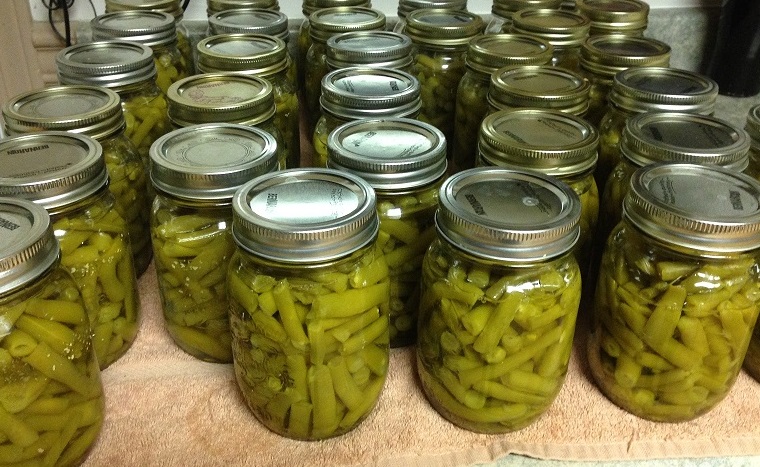
canned green beans cool on a kitchen counter
Canning your veggies is a great way to ensure they’ll last for months and months, so you don’t have to worry about wasting fresh produce!

If you don’t want to have to run out to the store for fresh vegetables having canned ones on hand is an excellent option.

Mixed vegetables can easily be added to soups or stews. Home Canned Tomato sauce can be used to make a delicious pasta sauce, so make sure that you keep a variety of canned vegetables on hand.

You can use them for side dishes or add them to the main dish to fill it out a little. Canned vegetables are a very handy and versatile winter pantry essential.


Chocolate, Coffee and Tea

coffee beans and grinder
It’s always smart to have backup pantry stock of your favorite beverages.

Chocolate, coffee, and tea are items every pantry needs, especially if there is a chance of being stuck at home for a few days.

Whether you buy beans to grind coffee at home, stock up on Keurig pods or buy coffee by the can, coffee is a staple for your pantry.

Buy coffee when it’s on sale – unopened, it won’t go bad and you will never run out.

Keep some instant coffee on hand in case the power goes out. Your favorite type of hot tea can also warm you up on a cold winters day and provide you with a much-needed caffeine boost. Teas are sold in bags or as loose leaves, so stock up on whatever works best for you!

Chocolate is also an excellent mood booster! You can use it to bake up a sweet treat, or simply enjoy it as a snack.

filled jars sit in a pantry
Go through this list to ensure you’ve got all the staples for the pantry you could possibly need through the colder months!

These are of course not the only winter pantry essentials that you might want to keep on hand, but they are a great start.

Having these staples available to you will ensure that you can make meals for your family without having to go to the store.

Also, stock up on your family’s favorite snacks before winter hits. Keep these basic supplies and ingredients on hand to make being stuck in a storm a lot more tasty, and enjoyable. 

So get started stocking with basic pantry staples for winter!


Pantry Staples List

Here’s a full comprehensive list of pantry staples you’ll need for the winter, including some items that may not have been mentioned above!

  • Canned Meats
    • Tuna
    • Chicken
    • Salmon
  • Flour
  • Sugar
  • Baking Powder
  • Kosher Salt
  • Cornmeal
  • Cocoa Powder
  • Chocolate Chips
  • Peanut Butter (or other Nut Butters)
  • Pecans, Almonds, Cashews, Peanuts, etc.
  • Ground Cinnamon
  • Spices and Herbs
    • Oregano
    • Thyme
    • Ground Mustard
    • Paprika
    • Cumin
    • Curry Powder
    • Garlic Powder
    • Onion Powder
    • Bay Leaves
    • Red Pepper Flakes
  • Vinegars (like Red Wine Vinegar and Apple Cider Vinegar)
  • Canned Soup
  • Canned Chili
  • Condiments (some of these will need to be refrigerated)
    • Ketchup
    • Mayonnaise
    • Soy Sauce
    • Dijon Mustard
    • Salad Dressing
    • Worcestershire Sauce
    • Tomato Sauce
  • Chicken Broth, Vegetable Broth, etc.
  • White Wine and Red Wine for Cooking
  • Oats
  • Rice
  • Pasta (Spaghetti, Penne, anything you like!)
  • Beans
  • Dried Berries
  • Canned Fruit
  • Pie Filling
  • Canned Vegetables
    • Green Beans
    • Peas
    • Carrots
    • Asparagus
  • Olive Oil
    • Sesame Oil
    • Canola Oil
  • Chocolate
  • Coffee
  • Tea
  • Granola


Want to read more about pantry staples, canning and food preservation?

  • Everything we have ever written about home canning.
  • How I go grocery shopping without leaving my house!
  • Budget Stretching Ideas for almost everything!


originally published 2019; latest update November 2022

Filed Under: Food

  • « Previous Page
  • 1
  • 2
  • 3
  • 4
  • 5
  • Next Page »

Connect With Us!

  • Email
  • Facebook
  • Instagram
  • Pinterest
  • Twitter

Search this site

Generic selectors
Exact matches only
Search in title
Search in content
Post Type Selectors
Search in posts
Search in pages

Our Most Popular Posts

Garlic cloves in oil

How to Preserve Garlic in Oil – and Other Ways to Store Garlic

a open jar of pickled brussel sprouts on a counter

Easy Pickled Brussels Sprouts Recipe (Water Bath Canning)

Privacy Policy

Read about our Privacy Policy

Disclosure

Please note that some of this site’s links are affiliate links, and CountryLivinginaCaribooValley.com is a participant in the Amazon Services LLC Associates Program, an affiliate advertising program designed to provide a means for us to earn fees by linking to Amazon.com and affiliated sites. At NO ADDITIONAL COST TO YOU, I will earn a small commission, if you purchase them. I recommend them as they are good products.

Theme Design By Studio Mommy · Copyright © 2026