Country Living in a Cariboo Valley

Homesteading in BC

  • How to Get Started
  • Vegetable Gardening
  • Preserving Food
  • Recipes
  • Homemade Wine Recipes
  • About Us
  • Work With Me
  • Shop
    • Vegetable Garden Planner Printable: Grow Your Best Garden Ever
    • Grow Enough Food for a Year
    • Delicious Dandelions: A Recipe Collection
    • Dirt to Dollars: Selling at the Farmers Market
    • 8 Pounds in 8 Weeks: Raising Chicks for the Dinner Table
    • Making Wild Wine
    • Build a Hanging Chicken Feeder
    • 15 Things to Know About Living in the Country

Reuse Canning Jars – 10 Useful Ways to Upcycle

By Annie

Great ways to reuse canning jars around the kitchen!

Got lots of extra mason jars on hand? They can be used for many other purposes besides holding home preserved food!

For years, we have added a box of quart jars to our cold room when they are on sale, when we find them for a very good deal.

Over the years, we have a surplus and we manage to find ourselves all kinds of different ways to reuse canning jars here on our homestead.

So, what can home canners do with extra empty mason jars? The possible uses for canning jars are endless.

From dry food storage to crafts to workshop storage, here are some ways to reuse canning jars for other purposes. A few ideas are food related, the rest are not.

10 Great Ways to Reuse Canning Jars

pasta stored in canning jars sit on a counter

  1. Store foods that do not need processing, such as baking needs and pastas, in quart size canning jars. This is particularly helpful if ants and bugs are a problem. It is also decorative; farmhouse style kitchens often have jars of dried goods on display. The jars can be stacked easily.
A canning jar full of loose buttons for sewing sits on a table.
Save this to your Pinterest board for later.
  1. Use them when making gifts in jars, such as dessert and soup mixes. Tie a square or circle of fabric to the ring with ribbon or twine, and add an ingredient list and instructions for preparing the dessert or meal.

Canning jars upcycled to hold homemade marshmallows.

  1. Fill a couple of jars with candy, tie a bow around the lids, and place them on the counter during the holiday season. Put them on lace doily’s and place one to each side of a centerpiece. 
    Or, set one at each place setting on your holiday table and let guests take them home as a thoughtful party favor.

Canning jar filled with buttons on a sewing table.

4. Start filling one with buttons, like grandma used to do. If you glue a ball of batting covered with fabric to the lid, you can then use that as your pin cushion. Just unscrew the lid when you need a button.

Canning jar full of dry pasta for storage on a shelf.
Save these ideas for small glasses to your Pinterest board.

More Ways to Reuse Canning Jars

5. Large Kerr jars can be used to store pet food. Cats, for instance, can be pretty creative in figuring out how to get into food bags and other containers.

Mason jars filled with dried herbs on a counter.

  1. Small jars can be used to store dried herbs. Place them in a dark cupboard or in the refrigerator for storing, depending on the herb. Then use all winter long in cooking and baking recipes.

coffee beans stored in canning jars

  1. Use wide-mouthed canning jars to store coffee beans or tea bags, as well as creamers and sweeteners. This works especially great on camping trips.

Craft ribbon stored in canning jars.

  1. Canning jars are also great for storing scraps from a craft hobby, such as ribbon lengths, stickers and beads. Just cut a hole in the lid and feed your craft ribbon through it.
  2. Small jars without lids can be placed in a desk drawer to organize items such as paper clips, rubber bands and staples. Lids and rings are not required for these. This method can also be used within a junk drawer.

Glass canning jar used to hold screws.

  1. The small jars might also be used to store things like screws, nuts and bolts out in the garage or workshop.

As you can see, there are many ways to reuse canning jars. Think about the items in your home that need to be organized. How can you use jars to help with your home and kitchen organization?

Want to Learn About Home Canning?

Canning Tips – all kinds of great ways to make home canning easier and efficient.

How and Where to Store Home Canned Food – including light requirements and whether to remove canning rings before storage.

Canning Supplies you Really do NEED – keep this list of items on hand and you’re good to go.

Canning Checklist – ’cause it’s always good to know what you have on hand.

4 Different Ways to Preserve Food – it’s not always about canning!

Get over your Fear of Using a Pressure Canner – once you do, you can can all kinds of meat, fish, stews and more.

Everything you need to Start Water Bath Canning – what you need and what you don’t.

How to Use Tattler Lids and Seals – these are great, but you need to do this!

National Canning Guidelines

Finally, want to see all our Canning and Preserving recipes in one place? Here it is!

Other Types of Glass Jars to Use for Storage

  • You’re not only limited to using the commercial pint or quart jars – you can use any kinds of jars, including:
  • quart-size mayonnaise jars or
  • any kind of mayonnaise-type jars
  • salad dressing jars
  • pickle jars
  • jars that held commercial jellies and jams

Other Types of Glass Jars to Use for Storage

  • You’re not only limited to using the commercial pint or quart jars – you can use any kinds of commercial jars from store shelves, including:
  • quart-size mayonnaise jars or
  • any kind of mayonnaise-type jars
  • salad dressing jars
  • pickle jars
  • jars that held commercial jellies and jams

When to Not Reuse Canning Jars

Normally, glass mason jars last for decades, especially if they are in good condition. However, sometimes a few can fail.

If you have jars with nicks on the rim of the jar, you won’t get a good seal anymore. This can lead to unsafe food. My recommendation is to not reuse them for food preserving.

Over time, you have find scratches on some of your jars, especially is you remove the content with knives or metal spoons. 

If you find insignificant scratches, you can still use them for preserving. Heavily scratched jars should not be. 

Instead, you may want to find other things to store in them, instead of continuing to use for home food preservation.

More information can be found at the United States Department of Agriculture (USDA) 

Always buy jars from a known manufacturer such as Kerr or Bernardin.

Reuse Canning Jars in 10 Different Ways


Filed Under: Canning

Canning Tips – Making Home Canning Easier

By Annie

Looking for Canning Tips that will streamline your process and make your life easier? Keep reading to find out some of the best ways to improve your canning process!

Canning is a lot of work and can be quite exhausting and hot, especially if you are doing multiple batches. Sometimes, almost the whole day is spent in the kitchen, putting up mason jars of fresh vegetables, fruits and jams.

The good news is that there are a few things you can do to make canning easier and more enjoyable so you can fill your pantry with healthy home-canned food. These simple canning tips to make canning easier will help with everything from prep time to managing the summer heat so you can preserve more food this summer.


Canning tips like these will give you jars of food like these home canned green beans.
These canning tips will help you safely preserve shelf stable food.

The 7 Best Canning Tips

1. Clean Your Kitchen Before Canning

It is so important to have a clean space to work in. Not only should you have maximum use of all your counter tops, your sinks should be free of any dishes or utensils.

Canning tips: A clean kitchen with clear countertops ready for canning.
One of my most important canning tips is to maintain a clean and tidy work area. This will make the process much easier to keep track of!

Wipe down all your counter tops well before you start canning. You will be reducing the number of bacteria present in the kitchen that could contaminate the canning project.

The most useful part of cleaning your kitchen before you begin canning, is that you can freely move around and grab anything you need. You don’t want to be dealing with a sink full of dishes or odds and ends on the counter.


2. Gather Everything You Need Before You Start

Read your canning recipe through from start to finish. Then go through it again. This time, gather all the equipment you are going to need as you come across it in the recipe.

Taking the time to gather everything from your canning tools to the ingredients of your recipes before you start canning will definitely make the entire process easier and flowing properly.

Canning tips: Lots of empty jars and seals sitting on a counter.
If you gather all of your materials before the process begins, it will eliminate time spent looking for all of the necessary tools and materials.

I find it is always helpful to have extra large slotted spoons right on the counter in case I quickly need another clean one. Same thing with clean tea towels.

It’s much easier to be able to just grab it off the counter without having to go into the drawer. Especially because you may find you have sticky fingers from dealing with filling jars!

It is much easier to get the canning done without having to deal with looking for things over and over. Canning can be much more enjoyable when you can work smoothly.


3. Keep an Extra Pot of Water Boiling on the Stove

Whether you are water bath canning or pressure canning you can benefit from a large stockpot of boiling water on the stovetop while you work. A large pot of boiling water can easily sterilize tools or soften the seals on lids. Keep in mind to never put a cold glass jar into a pot of boiling water.

Lifiting a lid off a pot of boiling water.
An extra pot of boiling water is a great idea for any canning process. It can quickly and easily clean and sterilize any necessary tools.

If you are water bath canning, a pot of boiling water on the stove can help to keep your canner running at the proper water level for as long as you need to without risk.

Simply use that boiling pot of water to keep the water level up in your canner without cooling the water and stopping the boiling process.

I like to have a large soup ladle on hand in case I need to add water to the canner. When I use my really large canner, I use a clean empty saucepan to dip into the extra pot of water. 


4. Have the Right Canning Tools

You may be looking at ways to save money when you first start canning. But it is always a good idea to invest in the right canning tools to get started. This should include a canning pot with rack.

The canning rack goes on the bottom of the canner, then the full jars placed on it. Canning jars should never be placed right onto the bottom of your canner.

If you do not have a canning rack, many people have success with using a clean kitchen towel to keep jars off the direct heat at the bottom of the canner.

A 5-piece canning kit box on a counter.
It’s worth investing in quality tools for safe and efficient canning.

Look for a canning tool kit like this one. It has the everyday tools like a jar lifter, bubble popper, lid lifter, and funnel you need to ensure that you can easily fill and move jars and lids around without burning yourself on the hot jars.

Norpro makes a good quality kit, and you can get the Norpro Canning Essentials Kit here on Amazon.

A ladle and a strong pair of tongs can help, and are a necessity in my canning kitchen.

You can find a more complete list of the canning tools we use all the time

here at Canning Supplies


Jars of home canned food on a counter.
Preserving tips to help make canning easier.

5. Always Choose the Freshest Ingredients

While you can make jam and other home-canned foods using less-than-perfect product, you need to take the time to clean and trim away any bruises and damaged parts that would lower the quality of the overall product when it is done.

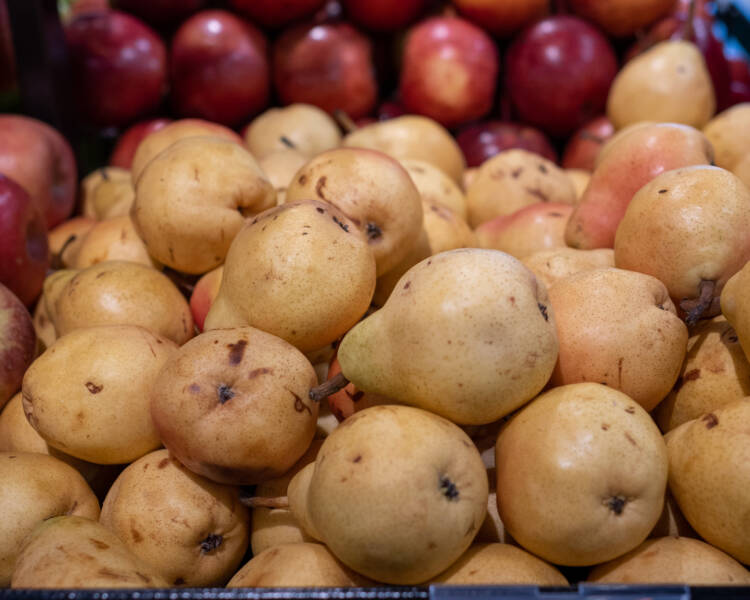
A collection of pears and apples.
Using fresh ingredients is another way to ensure safe canning with excellent results.

Sometimes you can find great deals on slightly bruised fruits and if you can take the time to properly trim them, you can save a lot of money.

Whether you are canning fresh produce directly from your garden or you’ve found a great deal at the grocery store, make sure your ingredients are fresh, clean and any bruised areas are removed. 


6. Enlist Some Help with Canning Projects

While small-batch canning projects are easy to do on your own, if you are planning on making a large batch of anything to preserve for your family, it can be a great idea to enlist the help of your family.

A woman and a girl holding cans of foods.
Make canning a family activity. They say many hands make light work!

Even kids can help wash and trim produce or stir a simmering pot of jam while you work your way through the process.

Canning goes much faster when it is a team effort. No one in the family able to help? Try splitting the work with a friend to help fill both of your pantries while you work together. 

It makes for a great afternoon of canning and visiting that can’t be beat!


7. Take Your Canning Outside

The peak of the canning season takes place in the hot summer months. This means it can be incredibly difficult to can without heating your home up and making everyone inside miserable.

Canning tips: an outdoor water bath and someone removing a can of peaches.
Be sure to take things outside whenever possible to prevent overheating your home!

The good news is that you can easily can outside over a gas burner allowing you to keep your home cooler and even giving you more space to work on a hot summer day.

If you do not have central air or do not want to raise your power bill this is one of the best things you can do to make home canning easier.

A propane burner sitting on a dark surface.
A simple propane burner is a great way to move your canning process wherever it’s most convenient.

We often can outside on our porch, using a propane burner. These work fantastic and we use ours all the time. You can find our propane burner on Amazon.

We just hook the burner up to the 5 gallon propane bottle we use for our barbecue.

Canning outdoors works very well for us, keeping all that extra heat out of the house during the warm summer months. It also ensures that no mess from the process makes it inside.


Even More Canning Tips

Looking for specifics on how to can certain foods? Try one of these handy posts that includes more canning tips and info on materials and supplies!

  • Best Canning Supplies for Preserving Food
  • Canning Salmon at Home
  • How to Can Fresh Cherries
  • How to Preserve Garlic in Oil
  • Canning Homemade Sauerkraut
  • How to Store Home Canned Food – Tips You Should Know
  • 43 Must-Try Home Canning Recipes


Filed Under: Canning

How to Store Home Canned Food

By Annie

Here’s how to store home canned food plus tips for safely storing jars full of food.

Canning takes a lot of time, energy and work. To make the most of your home canning you need to take the time to store your canned goods properly to help protect your hard work from being damaged.

Home canned food stored safely on a shelf.
Learn how to store canned food safely – read on for our best tips.

This means you need to be sure that your shelves are strong enough to support the weight and that you follow the advice below for safely storing your canned goods. Using heavy metal shelves like these is a very good idea!

Why how you store your home canned goods is so important

You spend a long time canning food for your family and to watch it all become destroyed from poor storage can be devastating. Many people have made the mistake of using weak shelves or stacking jars too high.

Some have placed their home-canned jars in temperatures that fluctuate too much, which can cause damage to the jars and even break the seals of canning jars.

Store home made jams on a shelf in a cool dark place.
Store jams and jellies on a shelf in a cool dark place.

If you do not store your canned food properly the seals are more likely to break and allow bacteria and mold to grow inside of your jars. This is extremely dangerous and depending on how you have your jars stored. Plus, it can even go unnoticed until it is too late.

Storing your jars properly helps the seal stay intact and makes it easier to catch a broken seal before you open your jars and feed them to your family. Taking the time to store your jars the right way helps to get the most out of your hard work.

Storage temperature for home-canned goods

Keeping your canned goods in a place where they will be kept at a steady temperature is vital to keeping strong seals and preventing jars from breaking. In most homes, the basement will be the best place to keep your jars of food.

This is because your basement doesn’t tend to fluctuate in temperature much throughout the year. The heat will not get intense enough to break the seals of jars while the food itself will not freeze inside the jars, possibly causing them to break.

Home canned pickled onions
Homemade pickled red onions can be stored after being canned in a water bath.

If you do not have a basement, a temperature-controlled room in the interior of your home is the best place to keep them. For those with central air, your pantry is sufficient.

If you live in a hot climate and only have cooling in some areas of your home, consider storing your jars in a room with air conditioning.

Light in your food storage areas

Light is not the friend of your home-canned food. This is because the light tends to speed the breakdown of organic materials and in turn speeds the breakdown and soiling of your canned foods.

The sun can bleach the color of the food leaving it looking dull and really unappetizing. The heat of the sun can even cause the temperature of the jars to rise which can lead to broken seals.

Jars of tomato sauce being canned in a water bath canner.
If you go to the trouble of preserving food, be sure to store it safely!

If you do not have a room out of the way of the light of the sun to spare your canned goods, use thermal curtains to help block the light. An added bonus is that this can make your shelves blend into any room better, allowing you to store canned food in more areas of your home unnoticed.

Should you take the rings off full canning jars?

Canning rings – should they be left on the full jar or removed? This has been a debate for many years. Some people choose to leave the rings on their jars because it makes it easier to store the rings but this comes with several risks.

If the ring is left on your jars the seal on the lid can break while the ring keeps the seal in place. As the temperature fluctuates again the jar can reseal (although not tightly) with bacteria inside.

This is extremely dangerous and the risk can be remedied by removing the rings when storing your jars.

Home canned food on a shelf
Store home canned food safely with these tips.

Another issue with leaving the rings on is rust. If there is moisture in the air, the rings can develop rust on them. Should the rings rust from moisture in the air, it can be nearly impossible to remove the rings and lids from the jars.

The rust can spread to the lid as well damaging the seal of your jars leading to the introduction of bacteria and causing the food inside your jars to spoil.

Can you stack canning jars for storage?

Stacking of jars full of home canned food is another common debate among many home canners. The worry with stacking is that stacking the cans will keep the lids from moving should the seal break and that the pressure of the cans can lead to the jars seal breaking.

Stacking canning jars is generally frowned upon if you have the space to single-layer them.

Most jar manufacturers state that stacking jars are safe in a limit of 2 to 3 jars high. To do this safely, it is recommended that you place a layer of cardboard between the layers of jars. This will allow the lids to slide should they lose their seal to keep them from resealing.

Jars of home canned vegetables on a table
Home canning and preserving of fresh food can save thousands of dollars every year.

A great way to do this is to return your jars to the boxes they came in and stack those two high on your shelves. This helps save on space needed for storing full canning jars. Another bonus is that you don’t need to store the boxes in a different place.

This is the way we do it at our house. This also helps keeps the jars in the dark, which is better for the food you have canned. I write the box contents on a piece of paper and tape it to the outside of the box.

This way, I can easily see what kind of food is in the box. Makes it easy for quickly grabbing a jar or two from our cold room to bring to the kitchen.

Knowing how to store home canned food properly will help you reduce possibilities of having any problems with your full canning jars!

Head over here to our Preserving Food article to find every link to our canning and preserving recipes.

Need to organize your deep freeze? Check out the easiest way to defrost and organize your chest freezer or upright freezer.

Learn more about preserving and storing home canned food here at the National Center for Food Preservation.

Looking for our delicious recipes? Find all our baking and cooking recipes right here!


Filed Under: Canning

Canning Supplies for Preserving Food

By Annie

Canning supplies are a necessary part of preserving food – here’s what canning equipment you need to get started!

This food preservation/canning essentials equipment guide is designed to save you money. Straight up, pure and simple. After all, if you’ve been reading my blog for any time now, you know how much I love to save money!

Preserving food through canning, pickling, and fermentation saves you a lot of money. But only if you don’t spend more on equipment than you would at the grocery store. And it’s easy to do just that!

There are always new products out there and new ways of doing the same old thing. If you aren’t completely sure about what you are wanting to buy, it is easy to get overwhelmed. Which products do you actually need? And which ones are just going to collect dust in a cupboard.

If you are new to canning, you need this canning guide full of home canning supplies. Even if you’ve been at it a while, you might find it helpful.

(I hope you’ll also check out my post on Preserving Food for all kinds of great tips and recipes for freezing, canning, and pickling food.)

The Ultimate Food Preservation and Canning Guide

Here are a few of the items that I prefer to have in my “canning arsenal” because they make my life easier. And since they are all Amazon canning supplies, it’s super easy to order these canning supplies online!

Basic Canning Supplies and Canning Equipment

Canning Kit Essentials

Whether you are just getting started with canning – or are a seasoned pro – this Norpro Canning Essentials Set is a pretty great setup. This handy canning kit offers 6 of the most essential canning tools you need when canning or dehydrating food. You get:

  • long-handled tongs – which help keep everything sanitary during the canning process
  • a vinyl-coated jar lifter – for removing canning jars safely from boiling water
  • an extra-wide funnel – which helps you fill your canning jars with less spilling
  • a jar wrench with vinyl coating – to help you tighten your jar lids to keep them well-sealed
  • a magnetic lid lifter – for lifting lids out of boiling water while keeping them sanitary
  • a bubble popper/measurer – serves the dual purpose of making sure no air bubbles are left in the food you are canning and that you aren’t overfilling your jars

Water Bath Canner

Water bath canner and jars on a kitchen counter
Water bath canner for canning jams, jellies and fruits.

When canning fruit, jams, jellies, and home made salsas, you want a good water bath canner! I have used one just like in the photo for over 20 years now. These canners are still widely available. The only disadvantage is that I really can’t cook a big batch of soup in it. It’s made for canning, period.

So, if I was to buy a new canner, I really like this McSunley Stainless Steel pot. At 21.5 quarts, this pot is plenty large enough to hold up to 7-quart jars, 9-pint jars, or 12 half-pint jars. Comes with an inner rack to help you safely raise and lower your jars during the canning process.

This heavy-duty pot is meant to be tough enough to resist dents and it even comes with a 10-year warranty in case something goes wrong with it.

And when you aren’t canning, you have a huge pot you can use to cook up an extra-large batch of soup or stew or chili! (Which you can always pressure can jars of leftover soup or chili!)

Crock for Pickling


Crock for pickling sits beside a cupboard.
A crock with a lid is just what’s needed for batches of sauerkraut.

Pickling or fermenting food is a wonderful way to preserve it. Pickled foods are good for you, too. They taste delicious and put a smile on your face while providing you with great nutrition. They are a wonderful source of probiotics, too.

One of the best tools for pickling or fermenting is a good-sized crock like this one – along with the cover and a weight for the top.

Note: Try to find a crock with a lid! You can always buy the crock lid separately but it’s nice if you can get a crock that comes with the lid.

When not being used for pickling, this attractive crock simply looks good sitting beside our dining hutch. This crock makes pickling so easy, you may never buy store-bought pickles or sauerkraut again!

Here’s my recipe for Home Made Sauerkraut – I make this every year in this crock.

Ball Blue Book of Preserving

Every canner needs the Ball Blue Book of Preserving. Put out by the same people who make those wonderful Ball canning jars and lids, this helpful book teaches you all about preserving food. There are over 500 recipes in this book – and it is complete, too.

If a type of food can be preserved or canned, you’ll find it here – along with ideas of how to utilize your canned food when you pull it out of storage.

With this book, you’ll have one more tool to make sure your family has all the delicious and nutritious food they need to thrive. And with so many tasty recipes, this canning guide product also makes a great gift!

Presto Pressure Canner

Dial Gauge pressure canner on a stove
A dial gauge pressure canner used for canning homegrown vegetables, meats and fish.

Unless you’re making something acidic like jam or jelly, the safest form of canning is with the use of a pressure canner like this Presto. If you have vegetables, meat, chicken, or fish to can, this is exactly the tool you need to do the job.

This large pressure canner is 23 quarts – the right size to handle the biggest jobs. The deluxe pressure dial gauge helps you make sure that whatever you are canning gets processed at the right amount of pressure to do the job correctly and safely.

But this flexible canner can also work as a water bath canner, too. This Presto canner wants to be the only canner you need!

Stainless Steel Strainer

Straining Jelly
Filter fresh berries through cheese cloth to make jelly.

Do you dream of going a step beyond just canning the basics like cut vegetables, meat, and fruit? If you need a tool to help you with jellies, creamy soups, broths, mashed berries, apple sauce, and so on, this 3-piece Stainless Steel Strainer is just what you need.

Be sure the strainer you buy comes with a pestle, like this set has!

This strainer lets you take your food preservation to the whole next level, allowing you to fill your storage with tasty and convenient canned treats to make your life a little easier.

Food Strainer

For really large jobs processing fresh produce, this Johnny Apple Sauce Food Strainer is a dream. It makes processing applesauce or tomato sauce a snap.

You can use the hand crank for smaller jobs, or replace it with the optional Electric Motor when you have a lot of work to complete.

This sturdy grinder/strainer can handle the toughest jobs, but if anything goes wrong, it also has a full 1-year warranty!

Canning Jars

Empty glass jars for canning
Buy canning jars with lids and seals by the case to save money.

The price of canning jars has climbed quite a bit in recent years. However, one place you can just about always count on getting a great price on canning jars is at Amazon, and they have any size you could be looking for.

They also have replacement canning lids, if that’s all you need. Be sure to grab all the jars you might be needing before the prices go up again!

HINT: The very best time to stock up is in the off season!

Canning Racks

Canning rack for between layers of jars
Graham made this canning rack for our pressure canner.

A versatile rack is a canning guide game-changer when you slip it into your canner. It elevates your jars, which allows for proper water circulation all around.

It’s necessary to use a canning rack like this one if you have more than one layer of jars in your canner! Jars should not be touching each other.

Heavy enough to handle the biggest jars, it is also a wonderful place to set your hot jars after you remove them from your canner. You’ll definitely want to consider having a few of these racks around once you see how handy they are.

You can even use them in your air fryer, Instant pot, or for cooling pies and cookies. 

Jar Lids and Bands

Canning Lids sitting in hot water
Stocking up on canning lids and rings is a good idea.

For certain foods, you really need wide-mouth jars. The trouble is, it can be tough to find a replacement for the lids (which you really should only use once) and the bands. But I found these for you and wanted to share them here.

It’s a pretty great price and you get 12 lids in each box! Personally, if you like wide-mouth jars, I would stock up on several boxes of these canning lids and bands so you don’t run out before you find them at a great price again!

Dissolvable Food Labels

Whether you have ever heard of these or not, no Canning Guide would be complete without mentioning Dissolvable Food Labels. Gone are the days of proudly sticking a pretty paper label to your jar of canned beans only to be cursing that very same label months later when you try to remove it from your jar again.

These labels literally dissolve in water. It doesn’t even matter what temperature the water is – they just go away. And they don’t leave behind any of that sticky stuff.

Best of all, you get 500 of these wonderful stickers per roll, so you don’t have to worry about buying them constantly. And just like that, life got a little easier!

Fermentation Kit for Pickling

 Jars of cabbage kimchi and sauerkraut sour cabbage.
A fermenting kit is a great way to make small batches.

Venting is an important part of the fermentation process, and this awesome Fermentation Kit makes it easier. You get 4 complete sets that are made to fit wide-mouth jars, so you can easily have four different foods fermenting on your counter at once.

(If you have the counter space, why not?) Fermented foods (kimchi, anyone?) are delicious and so good for you. And this kit gives you one more reason to try it for yourself!

Canning supplies make preserving food much safer and easier!

I hope that reading about some of these basic canning supplies has been helpful and inspiring. I would love to hear about some of your favorite products for canning and preservation, too, if you care to leave a comment. I’m always on the lookout for a great new idea!

Check out my post on Preserving Food for all kinds of great tips and recipes for freezing, canning, and pickling food.

Here you can find out all about storing home canned food safely.


Canning equipment on a table with canning jars
Save to your Pinterest board for later!

Filed Under: Canning

8 Ways to Use and Preserve Rhubarb

By Annie

Looking for ways to use and preserve Rhubarb? I’ve got delicious recipes for you!

Spring on a northern homestead, what a wonderful time of year! In many gardens, the first small harvests begin to happen. Along with Asparagus and Jerusalem Artichokes, another early plant in our gardens is Rhubarb, which we usually start picking in June. Read on to find lots of great rhubarb recipes.

Want more articles about preserving food? Check out all of our Preserving Food posts here.

Rhubarb stalks sit beside home canned Rhubarb jam and fresh strawberries.
Delicious Rhubarb recipes for baking, cooking and preserving.

And Rhubarb is a beautiful plant too, so you can easily tuck it in a corner of any flower bed. With its gorgeous huge green leaves, it makes a great backdrop for flowering plants in front.

Mid Spring is peak season for harvesting Rhubarb – whether you grow it in your garden or buy it at the farmer’s market, here are several ways to preserve rhubarb for using later.

Here are 8 great ways to use and preserve Rhubarb (with help from some of my awesome gardening friends).


Harvested stalks ready to use and preserve Rhubarb.

8 Ways to Use and Preserve Rhubarb


Rhubarb growing in the garden
Established Rhubarb bed in the lower garden

Growing Rhubarb

If you haven’t grown Rhubarb before, you may want to know more about how to plant and take care of Rhubarb. Here’s an article I wrote years ago about how to grow Rhubarb. Since it is a perennial, you just plant it once and watch it return every single year.

Diced Rhubarb sits below Rhubarb stalks and leaves


How great is that? Not only is it an inexpensive plant, you get to harvest Rhubarb every spring.

If picked yearly, the plants will live for decades. And you’ll be able to use Rhubarb in delicious recipes like the ones below.


how to make rhubarb wine
Homemade Rhubarb Wine – you’ll find the recipe link below.


Some of you know that we really enjoy making a batch or two of Rhubarb Wine each year. Isn’t it a pretty colour?

We also blend Rhubarb with berries such as Raspberries and Honeyberries, and end up with a tasty Bumbleberry wine.

We use some of our harvest in crisp, cobblers or pies, mixed with berries to add some delicious sweetness. There are a lot of other great ways to use it too. Here are lots of delicious recipes from some gardening friends! Enjoy!

How to Use and Preserve Rhubarb

How to Freeze Rhubarb

Freezing Rhubarb is a great way to preserve it! And it’s easy to do; pick the stalks by grabbing low to the base and then twist to break it off. This is much better than cutting the rhubarb stalks.

Wash stalks, then cut into smaller pieces. Since we like to use frozen rhubarb in our fruit crisps, I dice the stalks into small pieces, then put the rhubarb pieces into a freezer bag or an airtight freezer container.

Most of our fruit crisp recipes call for 4 cups of fruit. Since we like to mix rhubarb with a berry to make crisp, I measure out the diced rhubarb into 2 cup measures before adding to the freezer bag.

Seal the bag, pop into the freezer. When it’s time to use it, we just pull out a bag of frozen rhubarb, let it thaw, then bake or cook with it.

If you like, cut the rhubarb larger, into 1-inch pieces, place in a single layer on baking trays, then pop them in the freezer.

Once frozen, you can transfer them to an container with a tight fitting lid.

We love the flavor of the mixture of rhubarb with strawberries, raspberries or honeyberries.


how to can rhubarb


Pressure Can Rhubarb

Want to learn how to pressure can Rhubarb so you can enjoy it all year long? Home canned rhubarb is a really good way to use some of the harvest, especially if you have large plants that need to be picked. Process pints for use all year round.

We like to use a pint jar for canning Rhubarb but if you have a large family, you may want to can Rhubarb in quart jars instead.

This winter, you’ll be able to grab a jar or two from your pantry and bake a rhubarb crisp or a pie. Or grab a couple of quarts of rhubarb to make a pie.

(Courtesy of Back to Our Roots)


rhubarb recipes

Rhubarb Crisp

Why not bake a delicious Rhubarb Crisp? You can use all Rhubarb for the recipe or mix it up with blueberries or strawberries! Makes a delicious dessert topped with some ice cream!

(Courtesy of Better Hens and Gardens)


rhubarb sauce in a jar

Rhubarb Sauce

Or think of whipping up some yummy Rhubarb Sauce you can use for desserts or an evening treat? Wouldn’t this Rhubarb Syrup be great over ice cream, pancakes or waffles?

Or pour some over homemade cakes, loaves or your morning yogurt.

(Courtesy of Learning and Yearning)


Rhubarb ice cream in a bowl

Rhubarb Ice Cream

Speaking of ice cream, have you ever tried Rhubarb Ice Cream, anyone? I am definitely trying this one! Get the kids to help make it, then grab a big bowl!

(Courtesy of Yearning and Learning)


Rhubarb loaf on a cutting board

Rhubarb Juice

How about some canned Rhubarb juice? This is so refreshing when mixed with ginger ale – perfect on a hot summer afternoon. And the pretty pink colour!

(Courtesy of Grace Garden and Homestead)


rhubarb on a table

Fermented Rhubarb

How about some Fermented Rhubarb? Probiotic Rhubarb Lemonade anyone? Great for your health and tastes a lot like regular Rhubarb. Use some in muffins!

(Courtesy of They’re Not Our Goats)


rhubarb cooking on the stove

Strawberry Rhubarb Jam

Want to make some jam so you can stock your pantry shelves? Try this easy Strawberry Rhubarb Jam!

Making this jam uses a water bath canning method, so you can safely store your extra jars for winter (or anytime, really). Recipe makes about 6 pints of jam.

(Courtesy of Simply Canning)


Try one (or more!) of these 8 ways to use and preserve Rhubarb.

Even one Rhubarb plant will give you a nice big harvest every year. If you have a family, you may want two plants. But pick up some Rhubarb plants this year and start growing! You’ll be glad you did.


More tips for growing Rhubarb 


Everything you want to know about how to grow Rhubarb

Tips for how to harvest Rhubarb in spring

What to do with the Rhubarb flower stalk and the big Rhubarb leaves

Updated tips for making Rhubarb Wine


Rhubarb loaf and ice cream on a table


8 different ways to use Rhubarb


published May 19 2017, updated Jun 2022

Filed Under: Canning, Grow Your Own Fruit, Grow Your Own Vegetables

  • 1
  • 2
  • 3
  • …
  • 6
  • Next Page »

Connect With Us!

  • Email
  • Facebook
  • Instagram
  • Pinterest
  • Twitter

Search this site

Generic selectors
Exact matches only
Search in title
Search in content
Post Type Selectors
Search in posts
Search in pages

Our Most Popular Posts

Garlic cloves in oil

How to Preserve Garlic in Oil – and Other Ways to Store Garlic

a open jar of pickled brussel sprouts on a counter

Easy Pickled Brussels Sprouts Recipe (Water Bath Canning)

Privacy Policy

Read about our Privacy Policy

Disclosure

Please note that some of this site’s links are affiliate links, and CountryLivinginaCaribooValley.com is a participant in the Amazon Services LLC Associates Program, an affiliate advertising program designed to provide a means for us to earn fees by linking to Amazon.com and affiliated sites. At NO ADDITIONAL COST TO YOU, I will earn a small commission, if you purchase them. I recommend them as they are good products.

Theme Design By Studio Mommy · Copyright © 2026