Country Living in a Cariboo Valley

Homesteading in BC

  • How to Get Started
  • Vegetable Gardening
  • Preserving Food
  • Recipes
  • Homemade Wine Recipes
  • About Us
  • Work With Me
  • Shop
    • Vegetable Garden Planner Printable: Grow Your Best Garden Ever
    • Grow Enough Food for a Year
    • Delicious Dandelions: A Recipe Collection
    • Dirt to Dollars: Selling at the Farmers Market
    • 8 Pounds in 8 Weeks: Raising Chicks for the Dinner Table
    • Making Wild Wine
    • Build a Hanging Chicken Feeder
    • 15 Things to Know About Living in the Country

8 Ways to Use and Preserve Rhubarb

By Annie

Looking for ways to use and preserve Rhubarb? I’ve got delicious recipes for you!

Spring on a northern homestead, what a wonderful time of year! In many gardens, the first small harvests begin to happen. Along with Asparagus and Jerusalem Artichokes, another early plant in our gardens is Rhubarb, which we usually start picking in June. Read on to find lots of great rhubarb recipes.

Want more articles about preserving food? Check out all of our Preserving Food posts here.

Rhubarb stalks sit beside home canned Rhubarb jam and fresh strawberries.
Delicious Rhubarb recipes for baking, cooking and preserving.

And Rhubarb is a beautiful plant too, so you can easily tuck it in a corner of any flower bed. With its gorgeous huge green leaves, it makes a great backdrop for flowering plants in front.

Mid Spring is peak season for harvesting Rhubarb – whether you grow it in your garden or buy it at the farmer’s market, here are several ways to preserve rhubarb for using later.

Here are 8 great ways to use and preserve Rhubarb (with help from some of my awesome gardening friends).


Harvested stalks ready to use and preserve Rhubarb.

8 Ways to Use and Preserve Rhubarb


Rhubarb growing in the garden
Established Rhubarb bed in the lower garden

Growing Rhubarb

If you haven’t grown Rhubarb before, you may want to know more about how to plant and take care of Rhubarb. Here’s an article I wrote years ago about how to grow Rhubarb. Since it is a perennial, you just plant it once and watch it return every single year.

Diced Rhubarb sits below Rhubarb stalks and leaves


How great is that? Not only is it an inexpensive plant, you get to harvest Rhubarb every spring.

If picked yearly, the plants will live for decades. And you’ll be able to use Rhubarb in delicious recipes like the ones below.


how to make rhubarb wine
Homemade Rhubarb Wine – you’ll find the recipe link below.


Some of you know that we really enjoy making a batch or two of Rhubarb Wine each year. Isn’t it a pretty colour?

We also blend Rhubarb with berries such as Raspberries and Honeyberries, and end up with a tasty Bumbleberry wine.

We use some of our harvest in crisp, cobblers or pies, mixed with berries to add some delicious sweetness. There are a lot of other great ways to use it too. Here are lots of delicious recipes from some gardening friends! Enjoy!

How to Use and Preserve Rhubarb

How to Freeze Rhubarb

Freezing Rhubarb is a great way to preserve it! And it’s easy to do; pick the stalks by grabbing low to the base and then twist to break it off. This is much better than cutting the rhubarb stalks.

Wash stalks, then cut into smaller pieces. Since we like to use frozen rhubarb in our fruit crisps, I dice the stalks into small pieces, then put the rhubarb pieces into a freezer bag or an airtight freezer container.

Most of our fruit crisp recipes call for 4 cups of fruit. Since we like to mix rhubarb with a berry to make crisp, I measure out the diced rhubarb into 2 cup measures before adding to the freezer bag.

Seal the bag, pop into the freezer. When it’s time to use it, we just pull out a bag of frozen rhubarb, let it thaw, then bake or cook with it.

If you like, cut the rhubarb larger, into 1-inch pieces, place in a single layer on baking trays, then pop them in the freezer.

Once frozen, you can transfer them to an container with a tight fitting lid.

We love the flavor of the mixture of rhubarb with strawberries, raspberries or honeyberries.


how to can rhubarb


Pressure Can Rhubarb

Want to learn how to pressure can Rhubarb so you can enjoy it all year long? Home canned rhubarb is a really good way to use some of the harvest, especially if you have large plants that need to be picked. Process pints for use all year round.

We like to use a pint jar for canning Rhubarb but if you have a large family, you may want to can Rhubarb in quart jars instead.

This winter, you’ll be able to grab a jar or two from your pantry and bake a rhubarb crisp or a pie. Or grab a couple of quarts of rhubarb to make a pie.

(Courtesy of Back to Our Roots)


rhubarb recipes

Rhubarb Crisp

Why not bake a delicious Rhubarb Crisp? You can use all Rhubarb for the recipe or mix it up with blueberries or strawberries! Makes a delicious dessert topped with some ice cream!

(Courtesy of Better Hens and Gardens)


rhubarb sauce in a jar

Rhubarb Sauce

Or think of whipping up some yummy Rhubarb Sauce you can use for desserts or an evening treat? Wouldn’t this Rhubarb Syrup be great over ice cream, pancakes or waffles?

Or pour some over homemade cakes, loaves or your morning yogurt.

(Courtesy of Learning and Yearning)


Rhubarb ice cream in a bowl

Rhubarb Ice Cream

Speaking of ice cream, have you ever tried Rhubarb Ice Cream, anyone? I am definitely trying this one! Get the kids to help make it, then grab a big bowl!

(Courtesy of Yearning and Learning)


Rhubarb loaf on a cutting board

Rhubarb Juice

How about some canned Rhubarb juice? This is so refreshing when mixed with ginger ale – perfect on a hot summer afternoon. And the pretty pink colour!

(Courtesy of Grace Garden and Homestead)


rhubarb on a table

Fermented Rhubarb

How about some Fermented Rhubarb? Probiotic Rhubarb Lemonade anyone? Great for your health and tastes a lot like regular Rhubarb. Use some in muffins!

(Courtesy of They’re Not Our Goats)


rhubarb cooking on the stove

Strawberry Rhubarb Jam

Want to make some jam so you can stock your pantry shelves? Try this easy Strawberry Rhubarb Jam!

Making this jam uses a water bath canning method, so you can safely store your extra jars for winter (or anytime, really). Recipe makes about 6 pints of jam.

(Courtesy of Simply Canning)


Try one (or more!) of these 8 ways to use and preserve Rhubarb.

Even one Rhubarb plant will give you a nice big harvest every year. If you have a family, you may want two plants. But pick up some Rhubarb plants this year and start growing! You’ll be glad you did.


More tips for growing Rhubarb 


Everything you want to know about how to grow Rhubarb

Tips for how to harvest Rhubarb in spring

What to do with the Rhubarb flower stalk and the big Rhubarb leaves

Updated tips for making Rhubarb Wine


Rhubarb loaf and ice cream on a table


8 different ways to use Rhubarb


published May 19 2017, updated Jun 2022

Filed Under: Canning, Grow Your Own Fruit, Grow Your Own Vegetables

Growing Saskatoon Berries: Planting, Transplanting and Pruning

By Annie

Growing Saskatoon Berries – all you need to know  about growing this healthy superfood in your backyard!

Saskatoon bushes are known by other names such as Serviceberry bushes, Juneberry, Prairie Berries and Shadbush. Their Latin name is Amelanchier alnifolia. And we’ve got lots of great information about these fruit bearing bushes right here!

Want more articles about gardening? Check out all of our Food Gardening posts here.

Ripe Saskatoon berries on the shrub, ready for picking.
Ripe purple Saskatoon berries in a tree, ready for picking.

No matter what you call them, here is everything to know about growing your own Saskatoon berries! Consider planting a few bushes and start growing your own berries, right in the backyard.

These bushes grow wild, but you can also buy them at garden nurseries!

Where do Saskatoon Bushes Grow in the wild?

Saskatoon bushes grow throughout North America. They are native to Canada, where these bushes grow wild throughout British Columbia, through the Canadian prairies and all the way east to Ontario. In the United States, they grow from Alaska to Maine and many other states.

Growing Saskatoon berries means pretty blooming spring shrubs
This pretty flowering shrub will soon be growing Saskatoon Berries.

Saskatoon berries have long been considered an important food source by early pioneers throughout the central United States all the way north to the Northwest Territories and the Yukon.

There are also some commercial growers, so if you don’t have them growing in your part of the country, you can find Saskatoon bushes for sale through garden nurseries. In Canada look to T & T Seeds, in Manitoba.

Interesting Things to know about Saskatoon Berry Bushes:

  • The neat thing about Saskatoon bushes is that they don’t require a second bush to grow berries, so if you only have room for one, that’s not a problem.
  • Having more than one bush will help increase your berry harvest, however. 
  • The berries form on the previous years wood – and any older wood. New shoots won’t be bearing fruit until next year.
  • These berry bushes can be susceptible to wind damage, so be sure to protect your Saskatoons from any high winds.
  • In early Spring, when the leaves of these small trees first come out, they are edible!

Health Benefits of Saskatoon Berry

Saskatoon berries are very healthy! They are like a superfood, full of antioxidants, especially anthocyanins and flavonols. Full of Vitamin C, calcium and manganese, plus they are rich in fiber, potassium, magnesium, iron and other nutrients.

How to Plant a Saskatoon Berry Bush

Be sure to prepare the ground before planting. Weeding it well to get rid of any grass and then placing mulch down to block weed growth is important!

Dig your hole (wide AND deep) and include a good amount of compost in the planting hole. The best conditions for growing a Saskatoon berry bush are well drained soil with plenty of organic compost mixed well together. Remember, you only get one chance to provide soil for the plant roots – make it count! 

Plant each bush about 8-10 feet apart; remember they will become full grown bushes!

Can I Plant Saskatoon Bushes as a Hedge?

This is a great idea and yes you can grow a beautiful living hedge using Saskatoon bushes. If you want to create a hedge, plant 5 feet apart and they will grow together over a few years.

An edible hedge row is a fantastic way of creating privacy, while growing your own fruit! Saskatoon bushes also provide food for the bees, also so important.

Best Practicing for Fertilizing Saskatoons?

You don’t need to add specialized fertilizer to the planting hole if you are adding good quality compost – the compost will have plenty of nutrients to get off to a good start. 

The bushes just need the planting area to be properly prepared with the removal of weeds and mulch to keep weed growth down before placing your new bush.

You can add top dressings of good quality compost around the base of your bushes. If you like, you can fertilize by sprinkling it around the base. Fertilize your bushes between flowering time and harvest for the best results.


flowering Saskatoon berry bush
Lots of blossoms on this Saskatoon bush!

Growing Saskatoon Berries in Containers

Some people opt to plant Saskatoon berries in containers. The downside to planting berry bushes in containers is that your harvest will be much smaller than that of the Saskatoon bushes you plant in the ground.

Your Saskatoon berries will need large deep containers to handle the roots and the growth of the bush.

Since a container with a berry bush in it will be heavy, you may want to have a strong plant dolly underneath the pot so you can easily move the container. You could place the container where you plan to keep it until you are ready to transplant the Saskatoon bush outside.

Transplanting a Saskatoon Bush

You can successfully transplant one of these bushes, although you will need to be careful. Smaller bushes have a much better chance of surviving than larger Saskatoon bushes.

The best time to transplant a Saskatoon bush is during the fall season. This is when the rain will happen more frequently allowing the bush to take hold properly at the new location.

The soil and the water should be the top priorities to a successful transplant of a Saskatoon bush!

Here’s an article with all the information on transplanting a Saskatoon berry bush –

plus tips for moving shrubs that you may not have thought of!

Growing Saskatoon berries on the bush.


Best Tips for Pruning Saskatoon Bushes

Now that you have the ins and outs of fertilizing, transplanting, and handling the growth of your berry bush, it’s time to discuss pruning your Saskatoon bushes.

When to Prune Saskatoon Bushes?

Pruning is what helps your berries grow without crowding, and keeps the bush healthy during the growing process. You’ll need to prune your bushes in the early spring season right before new growth starts.

During the first three years after planting your Saskatoon bushes, you’ll prune only to remove diseased or dead stems. Don’t forget to remove stems that are healthy but drooping too low to the ground. You’ll use sharp pruning scissors to cut damaged or droopy stems.

If you don’t have sharp pruning scissors, you can use long-handled loppers but you need to be sure you’re taking a clean cut.

You can find good pruning information reading about how to prune bushes and shrubs here


Saskatoon Berries Ripening
You can easily see the varying degrees of ripening on these Saskatoon berries.

Other Saskatoon Berry Bush Facts:

How Fast Do Saskatoon Bushes Grow?

You can aim to get your first berries from your Saskatoon bush within the first two years. It will be a small harvest, maybe a handful if you are fortunate. Just wait another year, though!

Peak performance for your Saskatoon bush will be when your bush is 3 or 4 years old. From that point on, you should be able to harvest a good supply of berries to use in your favorite Saskatoon berry recipes. Plus, you’ll have extra berries to put in the freezer!

How Tall Do Saskatoon Bushes Grow?

These types of berry bushes can grow anywhere from 6 feet to 30 feet tall. One nice feature is that the limbs are thin and pliable, so it is easy to pull down a tall limb closer to the ground, so you can pick the fruit!

This doesn’t seem to hurt the wild Saskatoon bushes here at all when we do this.

Propagating a Saskatoon Bush 

Growing your Saskatoon bush from another bush is similar to growing any other shrub from cuttings. You’ll want to prune the tips, gather the cuttings and then place them in a small nursery bed area that’s fertilized.

Here’s an article showing everything you need to know about Propagating Shrub Cuttings – the example used here is Laurel (we grew our own hedge), but it works exactly the same for growing cuttings of Saskatoon berry bushes.

Watch the cuttings grow into new bushes, and the transplant the new growth Saskatoon bushes into your garden where you plan to keep the bushes for year-after-year harvest.

All About Saskatoon Berries

Before I leave you today with this information, I wanted to share more details about the actual Saskatoon berries themselves. As stated earlier, within the third or fourth year of planting your berry bushes, they’ll be at peak performance.

Washed Saskatoon berries ready for preserving.
These fresh picked Saskatoon berries are ready to use in baking and smoothies!

When do you Pick Saskatoon Berries?

When Saskatoon berries are ready for picking really depends on where you live. Usually, the berries ripen for late June or early July. Here in our Zone 3 area, Saskatoon berries are usually ready for mid to late July and into early August. 

What do Saskatoon Berries taste like?

Saskatoon fruits are juicy and sweet. These berries are defined as being sweet but more in an earthy-like flavor. Some have said the berries have an almond undertone to their sweetness. 

Some people prefer cooked berries instead of the fresh fruit – and Saskatoon berries are perfect for using in baking, making jam and even wine.

Difference Between Saskatoons and Blueberries

The biggest difference between Saskatoons and blueberries is that Saskatoons berries are packed with more nutrients than blueberries and other berries combined. They have more iron, antioxidants, protein, and potassium than other berries you can grow on your homestead.

These benefits make growing Saskatoon berries pretty much a no brainer.

What can I make with the berries from my Saskatoon bushes?

You can make anything that you’d typically make with blueberries using your fresh harvest of Saskatoon berries. There are a wide variety of ways to use them including, Saskatoon berry tart, pie recipes, and Saskatoon sauce to name a few clever ways for including Saskatoon berries in your favorite recipes. 

Combine Saskatoons with apples, raspberries or strawberries to make a Bumbleberry crisp, muffins or use in pies or jam!

You can make juice too – then use the leftover fruit pulp to make Saskatoon jellies or syrups!

We even make home made Saskatoon Berry Wine – click over to learn more!

Washed fresh Saskatoon berries will be used for making wine.
This bowl of fresh Saskatoon berries will be used for making home made wine.

Bottom Line: Growing Saskatoon Berries is a fantastic way to grow your own healthy super fruit!


Read more about:

Learn how to grow your own hedge – everything you need to know

Learn how to grow Haskap Berries – another superfood that is easy to grow

How to transplant a Saskatoon Berry Bush 

Everything to know about cleaning and sharpening pruning shears

Got Canada Thistle weed? Here’s how to get rid of it!


Serviceberry bush with ripe fruit


Filed Under: Grow Your Own Fruit

Top Gardening Tips for Beginners

By Annie

 These top gardening tips for beginners can be a guide on
what to consider before buying any plants.

If you are a beginner gardener or new to gardening, you may have already been tempted to visit your local garden center to load up with beautiful flowers, fruit trees or vegetable seedlings, right?

Hold up a minute….do you know those particular plants and shrubs will thrive in your yard? I mean, you can always take the chance. It might work, but the odds might be against it.

Gardening tips for beginners to grow vegetables
These gardening tips for beginners will help you grow your best garden ever!

Gardening Tips for Beginners

Not every plant included in your gardening zone will thrive in every single yard! It depends on several things – read on for some of our easy gardening tips for beginners to learn when it comes to creating a beautiful yard.

And further down, you’ll find links to many of the relevant articles here about:

  • growing vegetables
  • planting flowers
  • creating flower beds
  • how to build a small greenhouse
  • and even more!

When it comes to gardening, you are better off to begin with a plan in order to save time, money and unnecessary heartache in the future.

Once you figure out a few things about your particular yard, you will have a much better idea of what shrubs, perennials and annuals you should spend your money on.

You’ll also be more confident that whatever you do purchase has a good chance of surviving in your own yard. Not every yard is the same, as we will see!

Here are our best 5 tips new gardeners should keep in mind before running off to the garden store:

Gardening Tips for Beginners


What Are Your Neighbours Growing?

That being said, take notice of what your neighbours are growing. This is a great initial source of proven suggestions for the new gardener.

If your neighbours grow buddleia, hebe, lilac, their hydrangeas are blue and their Japanese acers are grown in pots, then there’s a very good chance that their soil is alkaline.

This is a good “tell” that your native soil is also probably alkaline. A simple soil pH meter will confirm this, but trust your eyes as a first impression.

Alkali-loving plants will not grow well at all in acidic soil (and vice-versa) after a few years, so don’t waste your money but…

A naturally acid garden bed can contain neutral/alkaline areas or vice-versa. Just amend the soil in that particular bed to change the pH of the soil there.

You just need to know where these spots are and keep a written garden plan for future reference! 

A soil test will tell you for sure – invest in a test kit!


Work with Nature

It is always cheaper and lower maintenance to know your garden area and create your garden based upon what nature has already provided.

If you don’t work with nature, there will likely be a lot of importing of soil, rock, drainage material etc.

An extreme example of this is to have a site with a high water table and the gardener who wishes to grow cacti or Mediterranean herbs.

The only way to succeed would be to grow all the plants in containers and not the natural ground. Otherwise, you would be buying replacement stock every year!

In order to save money, try your best to work with what you already have. If money isn’t an issue, amend your soils with lots of healthy compost and organic fertilizer.


Raised Garden Beds growing vegetables
Using raised beds is a great alternative when you have poor soil.

Raised Beds are Perfect for Gardening in Poor Soil

It is quite common to have raised beds containing soil and a level of drainage that is very different from the rest of the plot. This enables very different plants to grow that would not be successful growing in the ground.

Many gardeners choose this method, especially if their native soil is terrible, full or rocks or pure sand. Instead of doing all the work to bring the soil up to good health, they work with what they have.

Which is nothing good (in the soil) – so consider planting in containers instead and fill those pots with healthy compost and soil.

A raised bed has the added advantage of bringing the plants to a more accessible level that makes gardening much easier. This works perfectly for older people who love gardening and raised beds are not hard to make.

In areas with high winter rainfall, it’s easy to add a seasonal cover to a raised bed to protect more tender plants from frost too much rain.

Want to keep track of everything you do in your garden this year, so you’ve got a perfect record to use next year?

Look at this Vegetable Garden Planner!

Vegetable Garden Planner Printable: Grow Your Best Garden Ever

Design Your Garden with 3D in Mind

Don’t forget the third dimension! Plant a clematis or honeysuckle beneath a shrub or climbing up a tree to provide extra interest at trunk height. 

If this plant flowers in mid-summer, add a pair of climbers that flower early and late summer for added colour throughout the season – and they will occupy the same ground space!

Don’t forget! Not all clematis and honeysuckle are climbers. Clematis hendersonii is a purple/blue ground cover clematis, while Lonicera involucrata should be treated as a herbaceous bush with its double-barrelled flowers of red and yellow.

Want to lead the eye to a certain garden spot? Tall, narrow conifers can make ideal natural frames for your path or a view.

Know Your Soil Temperature

A soil thermometer is a very useful device. You can leave one in the ground to tell you when to take out your borderline tender plants in the autumn and when to plant out in spring. A ground thermometer can also explain why your more tender plants are not surfacing!

Even with warm spring temperatures, it takes awhile for the soil to warm up. The soil has been resting over the colder winter and it may take longer than you think to warm up enough for perennials to pop up again.

Questions for Beginner Gardeners to Ask Themselves

Before you go and buy any trees, shrubs or perennial flowers, ask yourself these questions? Find out the answers and make some notes. 

  • In which direction does your garden face?
  • From which direction does your prevailing wind come from in summer? What about in winter?
  • What are the expected seasonal temperatures in your front and back yard? Are they different?
  • Can you describe your soil? Is it clay? Shale? Sand? Is it light? Heavy?
  • Is your yard well drained? Where are any areas that collect water in the winter that won’t drain away.
  • Is your ground acid, alkaline or neutral?

So, now you know some of the best tips for beginner gardeners to keep in mind and start figuring out. Where do you want to go from here? 

Here are links to some of our best vegetable gardening, fruit gardening and flower gardening posts. You’ll find lots of gardening tips for beginners in these articles! Here’s how to use less water in the vegetable garden.


Freshly harvested vegetables
Read these articles with more tips for beginning gardeners.

Vegetable gardening tips for beginners:

How to Grow Potatoes – learn our hack for growing 3 pounds of potatoes from 1 single potato.

How to Grow Peas – plant them along a fence line to save having to string up netting.

Grow All My Food for a Year – serious about growing vegetables? You want to read this….

How to Grow Rhubarb – Call it a vegetable, call it a fruit…Rhubarb is the perfect perennial for cold weather climates.

How to Grow Beans – we grow pole beans in a greenhouse – these tips work for wherever you will grow pole or bush beans.

Our Vegetable Garden Plan – Here’s how we decide what to grow and how much to grow.

How to Grow Carrots – Seed them a little thicker, then thin and eat baby carrots till the others grow big!

How to Grow Peppers – Sweet or hot, in pots or in the ground, here’s all you need to know.

How to Grow Onions – If you grow them from sets, it saves a lot of time!

More Articles about How to Grow Vegetables

How to Grow Garlic – This 4 part series covers planting, growing, harvesting and curing garlic.

How to Grow Beets – use them small for pickling beets or let them grow bigger for side dishes.

Vegetable Garden Planner and Journal – Everything you need to keep you on schedule from seeding to harvest!

How to Grow Cabbage – Start to grow cabbage from seed then transplant into the garden.

How to Grow and Transplant Tomatoes – Yes, here’s why you always need to transplant tomato seedlings.

The 8 Fastest Growing Vegetables – yup, you’ll be eating these within 25 – 60 days!

How to Grow Zucchini – You may only need a couple plants, but there are some growing hacks you really need to know.


strawberries growing on plants
Read these articles to learn gardening hacks for growing fruit.

Learn how to grow fruit:

How to Grow Strawberries – Big, juicy strawberries – our hacks for growing big strawberries

How to Grow Honeyberries (Haskap Berries) – So healthy and delicious in smoothies or baking.

Berries in the North – We can grow ’em big here!

How to Grow Raspberries – and how to maintain and control those wild Raspberry canes!

Transplant a Saskatoon Bush – native to our area but sometimes we want to move them over a few feet!

How to Plant Fruit Trees – We planted apple trees; these hacks work for any kind of fruit tree.


Serious about growing food this year? Look at our book and start planning!
 

Grow Enough Food for a Year


A bunch of pretty blooming tulips.
Read these articles for more flower gardening tips for beginners.

Flower Gardening Tips for Beginners

How to Plant Flower Bulbs – plant in Fall, enjoy pretty flowers every Spring!

Learn to Grow Hops – Beautiful to look at, but there’s something you need to know before planting!

Create a New Flower Bed – Sun loving perennial flowers take center stage.

Perfect Plants for Shady Areas – great for side yards or anywhere with low light.

How to Grow Valerian Herb – So fragrant, this perennial will become a favourite.


pruning shears
More gardening tips and articles for you

More Gardening Tips

Pruning Tips – for shrubs and fruit trees

DIY Recipes for Homemade Rooting Hormone – use these to start new shrubs

How to Rejuvenate an Old Overgrown Garden – great ideas for restoring a beautiful yard

How to get rid of Canada Thistle in your yard

A Pretty Winter Garden – these shrubs add winter interest and colour!

Gardening Hacks to Get the Most from a Small Garden – grow an amazing garden in a tiny space

Gardening Gifts for Hardcore Gardeners – Love a Gardener? Here you go…

Putting the Garden to Bed – Garden season’s over? Do these things before you take a rest.

All Natural Weed Killer Recipe – even works on poison ivy!

How to Improve Heavy Clay Soil – plant this and you’ll see a big improvement

Plant Clover instead of Grass – Bring amazing benefits to your garden by using clover, here’s why.

More Gardening Resources for you


Hopefully these top gardening tips for beginners have helped! Get your garden growing today!


Gardening for beginners with flowers and vegetables

Filed Under: Flowers, Gardening, Grow Your Own Fruit, Grow Your Own Vegetables

How to Grow Haskap Berries (Honeyberries)

By Annie

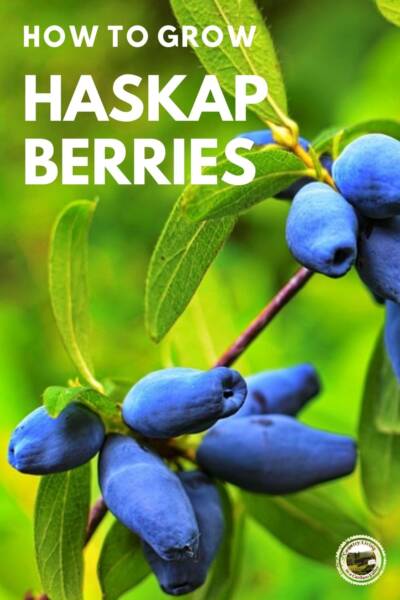
Plant and grow Haskap Berries – the earliest bearing berries of the season.

Haskap berries are becoming a more well known berry to grow in the family garden. This fruiting shrub is quite perfect for northern gardens. I wanted to share some tips to help you grow the best haskap berries possible.

Haskap berries are becoming more popular to grow in the United States and all over North America, but they have been well-known and grown in Canada for decades. They’re the perfect fruiting bush to plant in your home garden, as they’re naturally disease and pest resistant.

Other names for these delicious berries are honeyberry and edible blue honeysuckle. Some people grow these berries on a large scale and use them for commercial sales. They would be a great option for farm sales or selling at the farmers markets.

Growing Haskap berries bushes in bloom.
A Haskap branch loaded with berries.

How to Grow Haskap Berries

Here are some helpful tips and tricks to grow haskap berries at home. These delicious berries are best used for fresh eating, smoothies, adding to a dish of ice cream, sauces, making juices and even wine! It’s a bonus that they store well in the freezer to use for later baking into loafs, muffins, ice creams, smoothies, or fruit crisps.

They taste like a blueberry, but…not quite. 

Haskap berries growing on the bush.
These unique blue berries require some patience but yield fantastic results and an earlier harvest than most other berries!

General Tips for Growing Haskap Plants

  • You need to plant two different varieties for pollination.
  • Haskap cultivars are fast growing and can reach 8 feet in height. You will find the plant needs some pruning after a couple of years. For Haskap berry pruning tips, here’s an article on pruning shrubs and fruit trees.
  • As with any garden plant, weeds will compete for nutrients and water and should be managed accordingly.
  • The plants may produce a handful or two of fruit in the second year.
  • You’ll want to use well aged manure (or compost) once per year – apply a topdressing at the base of the plant in spring.
  • You can also use a balanced organic fertilizer. Apply it in early spring or fall to ensure your fruiting shrubs continue to grow healthy.
  • Haskap shrubs a pretty plant with lovely foliage! Find a way to incorporate them into your flower gardens.
  • Birds are attracted to the berries, so some garden netting can help protect your crop.


Where do Haskap Berry Plants Grow?

The Haskap berry growing zone is wide – they can bloom in Zones 2 – 9. These native shrubs can be found in northern boreal forests in Canada, Asia, Japan and throughout North America and Europe.

But, they do their very best in a climate where there is a cold winter. Many shrubs do best where there is a true real cold season; it’s part of the dormancy cycle.

If these bushes can’t be found in the wild near you, that’s ok! You can buy small shrubs to plant in your own garden or front yard. The University of Saskatchewan started a breeding program and you can purchase plants through them.

We are in Zone 3 and friends here have many Haskap bushes growing in their garden. At times, we get winter temperatures of -30C and these plants are that cold hardy.

I am finding that these Haskap plants are hardier than blueberry plants – I have tried several times to grow blueberries here and finally gave up. 

Transplanted Haskap Berry in garden bed
First year growth on our Haskap Berry plants.

When and Where to Plant Haskap Berries

It’s best to plant your haskap plants in a somewhat sheltered area, where they are protected from heavy wind. These blue berries will need full to partial sunlight for maximum harvest. They very much prefer full sun, so don’t be afraid to put them right out in the open.

Include them planted throughout a large flowerbed; they will do great planted at the back with shorter shrubs and flowers in front of them.

Plant your berry bushes in a well prepared bed that includes plenty of well aged compost or manure. Add lots of compost to the hole you dig. You’ll need to have a well-drained but nutrient-rich soil for your bushes.

They do best growing in a soil that has a pH of 5 -8.5. Think about the type of soil blueberry plants like – it is the same for these haskap berries. When in doubt, test your soil using one of these soil test kits.

Plant them 4 – 6 feet apart and let your shrub just settle in the first year. Make sure to water the hole before planting and water again after filling in the hole. Be sure to water regularly for the first while. Consistent watering will go a long ways to helping your plants get established.

Flowering Haskap shrub
Second year growth with flowers on our Haskap plants.

Pollination and Flowering

Be sure to plant two varieties of haskap berries as this is a plant that needs cross pollination in order to set fruit. Just ask at the nursery and they will be able to help.

It’s recommended that you plant the two varieties of haskap shrubs in close range to each other to maximize your chances of an ample harvest. Our three shrubs are planted about 5 feet away from each other.

This is a good distance as it takes into account the size of the Haskap plant when it is full grown.

Flowering happens in early spring (mid April or so in our gardening zone); it’s not long till we see the prettiest small yellow flowers. The blooms hang in clusters. And not long after that, then we see the bees!

The honey bee loves Haskap berry bushes and some afternoons our bushes are loaded with bees.

small yellow flowers on a haskap bush
Flowers on the 2 year old Haskap plant.

Quite a few of the delicate flowers hide right underneath the leaves, which of course is right where we will be picking berries from soon. We ended up harvesting a handful of berries for each of us to enjoy.

Not bad for the second year and it will be a much better berry harvest next year.


Harvesting Haskap Berries

How long before haskap berry plants produce berries?

When it comes to starting your haskap berry plants, you need to remember that you won’t reap a harvest for about 3 years. That’s all the more reason to be sure and get some planted as soon as you possibly can, so you can maximize yields.

You may be able to find three year old plants at the nursery – you will pay a bit more but you will enjoy the Haskap berries sooner.

Within a few years, the fruit production from 4 plants should enable you to have lots to eat fresh and even some for storing in the freezer.

Within 5-7 years your haskap berry plants will have reached maturity so that you can enjoy a plentiful harvest year after year.

Haskap Berries are also known as Honeyberries. Here they grow on their bush.
Berries on the bush during harvest. Blue Honeysuckle (Lonicera caerulea) – deciduous shrub with edible fruits in a dark blue color.

Setting and Ripening Fruit

The berry shrubs tend to grow fruit early in the spring. Generally speaking, you’ll love having a berry harvest two weeks earlier than most other fruits. These berries are one of the first ready to pick in mid to late June.

You’ll notice that your haskap berries look ripe about 1-2 weeks before you can eat them. Just try one to see if the berries are ready. They will be nice and plump when they are ready to be picked.

Berries will ripen at different times so you should be able to get 3 or perhaps 4 pickings before they are all off the bush.

You’ll be able to harvest berries for 2-3 weeks out of the year, and many years the branches will be loaded with berries.

After picking the berries, the shrubs are a beautiful bush in your yard for the rest of the year. You can plant them at the back of your flower bed if you are short on planting space.

blooming haskap berries ready to be picked
Haskap berries are an excellent addition to any garden!

What do Haskap berries taste like?

Well, it’s a bit hard to describe. They are delicious that’s for sure. 

They taste like a blueberry, but with blackberry and raspberry in there too. The berries are tart, kind of sour, yet sweet at the same time. They are sweeter than Saskatoon berries when eaten right off the bush.

Maybe it’s one of those berries you just have to taste – but I can tell you they are delicious. And they are fantastic for baking with.

Haskap berries are also a great source of vitamin C, potassium, and antioxidants. And as a fun fact, the word “haskap” is a Japanese word that translates roughly to ‘berry of long life and good vision.’ So there are lots of healthy benefits!

Are Haskap Berries Good for You?

They are like a superfruit! They are loaded with antioxidants, full of potassium and Vitamin C and other vitamins and minerals.

Can You Freeze Haskap Berries?

Yes, you can freeze Haskap berries – it’s very easy to do. Just spread washed and well drained berries onto a cookie sheet and make sure they are not touching each other.

Pop them in the freezer for a day or two. Then remove and use a spatula to loosen them from the cookie sheet. Transfer berries into a airtight container and return to the freezer.

As you need them, just shake out what you need and return the container or freezer bag to the freezer. Be sure to remove all the air out of the bag before returning to the freezer.

Where Can I Buy Haskap Plants?

I usually purchase my shrubs through T & T in Manitoba, as everything they sell can be grown in my garden zone (Zone 3). They have a set of 2 plants available: 

Boreal Beauty

Boreal Blizzard

Remember, you need to buy two varieties!


Haskap Berry Recipes

diced rhubarb mixed with Haskap berries for a fruit crisp.
Combine Haskap berries with rhubarb for a delicious fruit crisp

We especially love mixing Haskap berries with Rhubarb and making a fruit crisp. It’s healthier if we reduce the amount of sugar and we use whole wheat flour, plus of course lots of oats. 

Fruit crisp makes for a fast easy breakfast or an afternoon snack.

We have also used our Honeyberries to include in our home made Bumbleberry wine – we find Haskap berries, Raspberries, Blueberries and Rhubarb together make a delicious red wine.

Here’s a recipe for Haskap wine if you would like to make some.

Enjoy this sweet berry in a variety of recipes!


Read More About Gardening

  • Want to know the ONE trick to growing huge, juicy strawberries?
  • Want to learn how to make Rhubarb wine? 
  • Looking for a super easy no cook Strawberry Jam? Here’s our recipe!
  • Here’s how we make Saskatoon berry wine – mix with other berries if you like.


published December 2020; latest update Nov 2022

Filed Under: Grow Your Own Fruit

How to Maintain a Raspberry Patch – Pruning

By Annie

Here’s how to prune Raspberry plants – fix that overgrown neglected berry patch! Learn how to take care of your plants, when growing season is, and more.

Fruiting raspberry bushes in backyard wait for pruning.
This is a comprehensive guide for maintaining and harvesting raspberries!

Why Prune Raspberry Plants?

Pruning your raspberry bushes is the best way to ensure you don’t end up with a smaller crop of fruit. Removing lateral branches will help the buds bear fruit.

Unpruned bushes and old canes will still grow, but may not bear fruit to the same degree. For a large crop of raspberries, it’s important to allow the canes to get enough sunlight and prevent excess shading.


How to Prune Raspberry Plants

Earlier in June, I had given the raspberry patch a thorough weeding and clean up. Knowing how to prune raspberry plants is an important part of maintaining your berry bed.

If you don’t tidy up your patch in Spring, you will be amazed at how difficult it will be for you to get in there and pick berries later in the season.

It’s a really good plan to clean the raspberry bed again once Fall arrives. By this time, you can easily tell which shoots have had fruit on them this year. Look at this first picture below:

A raspberry patch before needed pruning and thinning
Our raspberry patch is still bearing fruit but the canes that have finished can be removed.

How to Prune Raspberries

The Raspberries are inside the fence on the far right side. There are two years worth of Raspberry plants in there. First there are the first year’s plants with their new canes – these are the shoots that are a paler green. They had fruit on them earlier this year.

And there are this second year’s suckers that have grown. These are the darker green plants in the photo and are a result of planting the previous year. Don’t pull all of these out as these are the shoots that will fruit next year.

An overgrown raspberry bed
Our overgrown raspberry bed before thinning and pruning.

Raspberries grow on last year’s plants. This is why it’s important to know how to prune raspberry plants. If you cut down all the first year’s canes, you will not have any fruit next year.

Once Berry season is over with for the year, get in the patch and cut all those paler green stems (the ones that gave you fruit this year) for higher yields next season.

Cut them down as close to the ground level as you can. And use sharp garden pruning shears! (And it’s important to keep your garden pruners clean and sharpened. Here’s how to do that!)

Raspberry canes after being cut and trimmed
Raspberry canes that bore fruit this year are cut and removed.

It goes without saying that you need to wear a long sleeved shirt and leather gloves for doing this.

I always have a long sleeved lightweight shirt hanging on a fence post or in the Greenhouse, so I can quickly grab it when needed.

Thinned berry plants in rows
After thinning, the berry bed is looking much better!

Here’s the raspberry patch after those paler shoots from this year’s fruits have been cut down. It’s starting to look better but the job isn’t done quite yet. There is still some thinning of the canes to be done.

Closeup of the raspberry patch after thinning.
And here’s the raspberry patch after thinning!

Thinning and Cleaning the Raspberry Bed

Tips for taking care of Raspberry Plants by Pruning and Clean up
Growing your own raspberries doesn’t have to be difficult!

Get in there and pull or dig out every single raspberry shoot that is not within the rows you had planned. Raspberries are notorious for sending up new shoots and leaves willy nilly all over the berry patch.

If you don’t do thin the canes, you will again face the problem of battling your way through them in order to pick raspberries next year.

An berry patch in the backyard
It’s hard to pick all the berries in a patch this overgrown.

Imagine fighting your way through this mess to get at your berries! Picking Raspberries should be a relaxing homestead chore, not having to fight your way through a jungle and tangle of plants.

If you did a good job of cleaning up the Bed earlier this year, then it won’t take you long to pull out any shoots that grew in the last few months. Be ruthless when it comes to pulling shoots – you will always have lots of Raspberries from the current season’s growth.

Raspberry patch after the thinning has been done.
The “after” picture – the berry bed is much more orderly after those canes are removed.

Here’s the finished result – there’s a definite pathway, which will make it easier to amend the soil with some well composted manure or other organic fertilizer.

Come Spring when the new growth starts, you’ll more easily be able to get to the plants to pull out any extra suckers. Keep this up and Raspberry picking will be a delight, not torture.

When is the Best Time to Pick Raspberries?

The best flavor and texture is achieved when raspberries are harvested when it’s dry and cool. Pick a day when it’s clear and sunny or overcast, but wait until after midday and aim for a time when the temperature is falling.

Depending on the variety you plant, the time of year and amount of time elapsed before harvesting can vary. For primocane-bearing varieties, harvest can be expected within the year you plant them if you aim for late winter or early spring.

Other two-year varieties you can expect to harvest from the floricanes (the second year shoots) in the late summer or early fall of the following year, making raspberries ideal as a summer crop or a fall crop.

Just be aware that even summer-fruiting raspberries that do produce fruit in the first year may offer a more limited harvest, but the yield from the floricanes in the second year will be more plentiful. The average yield per plant should be about 1 to 2 quarts of berries.

This advice changes from type to type, as there are difference between varieties of red raspberries, purple raspberries, yellow raspberries, and black raspberries.

Some types are ready to harvest in June (summer-bearing raspberries), while others are better to wait until September (fall-bearing raspberries). Be sure you know the parameters of your chosen fruit!

Raspberry jam on toast for breakfast
We use our Raspberries to make jams, jellies and fruit crisps.

What to do with the extra suckers? The best thing to do with them is add more rows if you have the room in your garden.

How to Use Home Grown Raspberries

Is there such a thing as too many Raspberries? I don’t think so – use them in Pies and Crisps. You’ll have lots to eat fresh or use in smoothies.

You could start making Raspberry Jam. Then, when you have enough Jam put away for the year, start making juice.

a bowl of freshly picked Raspberries
Fresh picked Raspberries are the perfect snack!

You can can the juice or freeze it. Still have more Raspberries coming? Think about making a small batch  of Raspberry Wine. A couple of years ago we did a Saskatoon Berry/Raspberry wine blended together. 

We still think it is the best wine we have produced here in the Valley. We made an eBook out of the recipe and process.

A loaf of homemade bread alongside a glass of Raspberry Wine
You can also make home made wine from Raspberries and other fruit.

When to Transplant Raspberries

If you’ve decided you do need more Raspberry plants, great. The best time to take care of this is in the Spring when you are cleaning the raspberry patch.

When you pull or dig out all those new shoots coming up in places you don’t want them, just move them to where you do want them.

How to Dig Up and Transplant Raspberry Shoots

Prepare the new bed with native soil and a good amount of well composted manure or other organic fertilizer. Dig through it thoroughly so the soil is light and airy. Transplant the pulled shoots directly into this bed.

Make sure you leave 3 feet or so between the rows – the more the better. If you don’t have a lot of extra room to give up for the new patch, you can plant them closer together.

Just know you will have to get in there and weed more often once the plants are established and sending up new shoots of their own.

A raspberry patch in early Spring
The patch early in the year; this is the time to add compost and mulch.

Transplanting Raspberry Shoots

After preparing the new bed, it’s time to dig up the raspberry shoots for transplanting. I dig up any shoots I want to save for replanting elsewhere. You can pull the plant out and it usually comes out with lots of root attached. So, dig or pull, whichever you feel like.

Raspberries are hardy plants, they will survive almost anything. Transplant them, firm up the soil around the new planting and then add some water.

Watering and Mulching Raspberries

Watering these new plants regularly is important. They will need extra water to settle in and start growing.

A bowl of Raspberries and a well pruned Raspberry patch.
Keeping a berry patch takes some work, but the delicious fresh fruit is worth it!

Add some old hay, straw or sawdust as a mulch to help keep the weeds down. Next year, you will be glad you did this because you will be enjoying the fruits of your labor. Without so much work.

Raspberries starting to grow on the canes
As long as the Raspberries get enough water, we will have another great harvest.

Raspberries are a wonderful inexpensive addition to your backyard – once you feel you have enough, then start giving away those extra shoots you pull. Really, you should never have to pay for Raspberry plants, they are often shared among neighbours and friends who want to add them to their own gardens.

Raspberries are one of the easiest fruits to grow, once they are established. They offer quite a few health benefits such as improved immune systems, better vision, disease prevention and more.

And once you learn how to prune raspberry plants, it’s a simple matter of keeping your rows clear of new suckers!

Raspberries and peas still in the pod
An afternoon picking of shell peas and raspberries

The Bottom Line: Now that you know how to prune Raspberry plants, you can easily keep your berry bed productive and tidy.

Raspberries do take a bit of maintenance, but it won’t amount to more than an hour (and usually much less) when you do have to weed or move plants.

The rest of the time, just enjoy picking and eating them!


Read More About Planting and Growing Fruit

  • Have you heard of Haskaps? Everything you need to know about how to grow Haskap berry bushes.
  • Here’s a really easy no cook Strawberry Jam recipe – just store the jam in the freezer!
  • Try your hand at making wine! Here’s our Saskatoon Raspberry wine ebook.
  • Learn How to Can Fresh Cherries if you buy them fresh or grow them!
  • We’ve got lots of DIY homemade rooting hormone recipes here for you.
  • Here’s how to get rid of Canada Thistle.


Published Aug 2020, updated April 2024.

Filed Under: Grow Your Own Fruit Tagged With: Berries

  • 1
  • 2
  • 3
  • 4
  • Next Page »

Connect With Us!

  • Email
  • Facebook
  • Instagram
  • Pinterest
  • Twitter

Search this site

Generic selectors
Exact matches only
Search in title
Search in content
Post Type Selectors
Search in posts
Search in pages

Our Most Popular Posts

Garlic cloves in oil

How to Preserve Garlic in Oil – and Other Ways to Store Garlic

a open jar of pickled brussel sprouts on a counter

Easy Pickled Brussels Sprouts Recipe (Water Bath Canning)

Privacy Policy

Read about our Privacy Policy

Disclosure

Please note that some of this site’s links are affiliate links, and CountryLivinginaCaribooValley.com is a participant in the Amazon Services LLC Associates Program, an affiliate advertising program designed to provide a means for us to earn fees by linking to Amazon.com and affiliated sites. At NO ADDITIONAL COST TO YOU, I will earn a small commission, if you purchase them. I recommend them as they are good products.

Theme Design By Studio Mommy · Copyright © 2026