Country Living in a Cariboo Valley

Homesteading in BC

  • How to Get Started
  • Vegetable Gardening
  • Preserving Food
  • Recipes
  • Homemade Wine Recipes
  • About Us
  • Work With Me
  • Shop
    • Vegetable Garden Planner Printable: Grow Your Best Garden Ever
    • Grow Enough Food for a Year
    • Delicious Dandelions: A Recipe Collection
    • Dirt to Dollars: Selling at the Farmers Market
    • 8 Pounds in 8 Weeks: Raising Chicks for the Dinner Table
    • Making Wild Wine
    • Build a Hanging Chicken Feeder
    • 15 Things to Know About Living in the Country

How to Dry Bay Leaves

By Annie

Here’s how to dry bay leaves so you can store them to use all year round in your favourite cooking recipes.

Bay leaves are one of the most common fresh herbs to be used in cooking. Instead of buying them at the grocery store, it is easy to dry them yourself at home.

They add a delicious subtle flavor when added to soups, stews and even pasta dishes and sauces.

Fresh cut bay leaves on a short branch.
You can cut small branches of bay leaves or just the leaves themselves.

The taste and aroma of these glossy green leaves pairs perfectly with herbs such as oregano and thyme or spices like black pepper, cumin, or cardamom.

Did you know you can easily dry your own bay leaves at home? There’s no need to buy the expensive package of dried bay leaves at the grocery store.

Bay leaves come from the bay laurel which is an evergreen shrub. If you have a bay laurel hedge or even just one shrub in your garden, you can harvest and dry your own leaves.

When we lived on the BC coast, we grew our own Laurel hedge for a privacy fence. It would be lovely if we could grow bay laurel here in the Cariboo but the Winters are far too cold for this plant which likes a more temperate climate.

How to Dry Bay Leaves for Long-Term Storage

We’re fortunate that one of our Valley friends also has a house down on the Coast. And in their yard there, is a bay laurel tree. They often share their supply of harvested bay laurel leaves from their bay trees and we appreciate the gift. 

I’ve got several branches of fresh bay leaves in my kitchen and I would love to share with you how we air dry bay leaves for using all year round. The fragrant leaf has pointy ends and a leathery feel.

Bay leaves ready to dry in baskets.
Prepare leaves for drying by cutting each leaf from the stem.


But first, a couple of common questions about growing, pruning and picking bay leaves.

How to Grow Bay Leaves?

Bay leaves are laurel leaves, they are the same. You can buy a small laurel shrub or larger laurel tree at the garden nursery or buy a laurel plant online and plant it outside in your yard.

If you live in a cold climate, you can plant one or two bay laurel trees pots and bring them in for the winter. You can learn more about how to grow laurel here.

When to Pick Bay Leaves?

The ideal time to pick bay leaves is in the late summer, but you can harvest bay leaves year round.

How to Harvest Bay Leaves Without Killing the Plant?

There are a few different ways to harvest bay leaves. You can remove individual leaves by cutting them at the base of their stem.

This is a good harvest method if you have a small bay laurel bush. Instead of cutting a branch from a plant that is too small, just cut off a leaf here and there from different branches.

If your laurel is well established and big, you can cut branches. Just be sure to cut them back to right above a lower leaf. If your laurel needs a good pruning, this is the perfect time to remove branches and then dry the leaves.

bay leaves drying in a basket with branch beside
Cut the leaves from the stems over a shallow basket.

Preparing Bay Leaves for Drying

There are several different methods of drying bay leaves and other herbs, including drying them in the microwave or the oven.

You could also freeze the leaves instead of making dried herbs. Freeze leaves on a large baking sheet. Once frozen, transfer them to a freezer bag or other appropriate plastic bag and store in the deepest part of the freezer.

Air Drying Bay Leaves

We always dry our leaves using air drying; that is, drying in open air. We find it the quickest and easiest way to deal with the leaves and it doesn’t require special equipment, so that is the focus of the instructions in this article.

Fresh cut bay leaves on a wood table.
Laurel leaves waiting to be trimmed before drying.

Once you have picked the laurel leaves, you can get them ready for air drying. Cut the leaves from the stem of the branch.

 I like to do this right over a shallow open weave basket. This is what we use for air drying the bay leaves. You could also keep them in a mesh bag.

If the leaves have dust on then, rinse the leaves in cold water, then drain in a colander. Then lay them on a single layer of paper towel to air dry or you can dry them with a clean towel.

Use several baskets so that the leaves end up in a single layer if you possibly can. This will help the leaves to dry by not trapping any moisture between the leaves.

You can use a tray, shallow ceramic bowls or a baking sheet instead of the baskets if you like. Set your drying baskets out of the way but in the open air in a dry place. A darker spot is better than a brightly lit one, but it won’t matter much in the end.

Dried bay leaves in shallow baskets.
After a couple of weeks, the leaves are dry and ready to store.

Once a day, run your fingers through the dried leaves to fluff them up and expose all the leaves to the air. Let them dry for roughly 10 days to two weeks.

Dry bay leaves stored in mason jars.
Store the jars in your kitchen cupboard and use in cooking.

How to Store Dried Bay Leaves

After they are completely dry, transfer them into a glass mason jar, add a seal and a ring. Store bay leaves in an airtight container out of direct sunlight and in a dry location.

Tuck a jar or two in the pantry – their subtle flavour makes a wonderful addition to all kinds of soups and stews. A bonus is they are good for your health – some of the benefits of bay leaves include helping with improving digestion and reducing bad cholesterol levels.

Note: When you add a bay leaf or two to a recipe, always remember to remove the bay leaf before serving. They are not meant to be eaten whole and can be a choking hazard.

How to Use Bay Leaves

  • Add them to your favorite pasta sauce for some extra flavor.
  • Use your bay leaves to add a slightly floral flavor to rice dishes, chicken soup, or sauces like tomato sauce or marinades.
  • Bay leaves are also great to add to curry. Start with a single bay leaf and add more if you want additional flavor.

Now you know how to dry bay leaves, so fill a few jars for year round use in the kitchen!


More posts about herbs:

  • Another herb easy to dry is chives – find out how!
  • Grow Lovage for an herb that tastes like celery.
  • Top picks for herbs you can grow indoors!

How to Dry Bay Leaves


Originally published 2016, updated July 2024

Filed Under: Drying Herbs

How to Dry Chives

By Annie

Once you learn how to dry chives, you’ll find it easy to always keep some on hand for cooking!

When you properly dry chives for long-term storage you’ll find that you’ll have lots of dried chives to use in cooking all year long. There are several ways to dry chives, and I’ll share these different methods of drying herbs below.

This will hopefully help you to include chives in recipes and meals for many years to come. Want more articles about preserving food? Check out all of our Preserving Food posts here.

purple flowers of chives
Learn how to dry chives, and you’ll have enough to use all winter for cooking.

This commonly used herb is easy to grow. Chives are easily grown by seed – so plant some and you’ll be harvesting the leaves in as little as 2 months!

Chives grow pretty fast and in large amounts that you may become overrun! But that’s OK, because…

They are also one of the prettiest blooming herbs, in my opinion. Chive blossoms become pretty purple balls of flowers sitting atop each stalk of chive – gorgeous! Don’t be afraid to snip a lot of the chive leaves – it won’t be long until more leaves are popping up.

Once your herb chive plants are at least six inches tall you may harvest the chives. Once harvested, you can use any of the following methods to dry your chives.

How to Dry Chives

I’ve got four ways to dry chives that I want to pass along to you. But first, here’s the information you need on how to harvest fresh chives straight from your herb garden or flower bed.

How to Harvest Chives

freshly cut chives ready for drying
A basketful of chives waiting to be dried and stored.

You can use a sharp kitchen knife to harvest chives, but really, the easiest way is to cut the leaves with good kitchen herb scissors. Gather a small handful of chive stems, grasping the leaves near the base of the plant.

Cut with kitchen scissors and place in a basket. If you can, tie each bundle after cutting with a rubber band or piece of string, so each bunch stays together.

This will save lots of time later when cutting leaves into small pieces.

How to Air Dry Fresh Chives

bunch of fresh chives on a wooden cutting board
Cut chives into 1/4″ pieces, getting ready for drying.

Air-drying chives is very easy. To do this, just chop or slice your chives and keep them in a shallow bowl, without a lid. Try to keep your chives in a single layer (for air circulation) as this will help them dry fast.

At least once a day, run your hands through the chives, stirring them and mixing them. Return them to a single layer each time, allowing them to dry further.

Dry the chives until they crumble in your hand. Be sure that all the moisture is out of them! Then, pour them into a small airtight mason jar and add the seal and ring.

This method also works to preserve other herbs such as rosemary, thyme, parsley and lovage.

Dry Chives by Hanging

herbs hanging in bundles for drying
Tie fresh herbs with rubber bands or string, then hang them for air drying.

After harvesting your chives, clean them in the sink and remove any dead or withered chives. Pat the bundle of chives until they are completely dry. You can use paper towels or clean hand towel to do this.

Gather your chives in a loose bundle. Secure the ends using twine tied just loose enough that it doesn’t crush the chives. Trim the ends off the chives, if you want the bundles to be even.

Hang the chives in bundles to dry in open air.

How to Air Dry Chives in a Paper Bag

Hang the chives upside down in the paper bag. Pull the top of the bag together and wrap twine to keep the paper bag closed. Store the paper bag with upside-down chives in a cool, dry space. Drying time will be about two weeks.

Tip:  Cut small holes throughout the paper bag to let some air flow thru, a big help when you’re drying herbs.

A super easy way to do this is to use a 3 hole punch, if you have one.

You’ll know the chives are dried when they’re brittle to the touch. Be sure to peek on the chives every few days to ensure no mold is growing on them.

Once the chives have fully dried, crumble them on parchment paper then place them inside a mason jar for long-term storage.


How to Dry Chives in a Dehydrator

Dry chives and others herbs in a dehydrator
Dry chives in a dehydrator the same way you would basil or oregano. A single layer per tray is ideal!

Once harvested, rinse the chives under cool water removing any withered or dead chives. Pat the chives dry with a paper towel or clean hand towel until all moisture is gone. Cut the chives into ¼ inch pieces using kitchen scissors or a sharp knife.

Spread your ¼ inch pieces of chives in a single layer on the dehydrator tray, inside the food dehydrator, covering with a screen if your dehydrator came with one. You can also use parchment paper. This helps keep the chives from blowing around.

Heat the chives for about one hour at a temperature of 90 degrees Fahrenheit. Check the chives during the process to make sure they don’t burn. The chives are completely dried when they crumble in your hand.

Take the dehydrated chives and place them in a mason jar and close the jar for long-term storage.


Drying Chives in the Oven

Harvest your chives and clean them under cool water in the sink. Remove any withered or damaged chive pieces. Remove all moisture by patting the chives dry with a paper towel or clean hand towel.

Preheat your oven to the lowest temperature. The preferred temperature is 185 degrees Fahrenheit. Leave the oven door open just a bit, if you need to lower the temperature. Using a knife or herb scissors cut the chives into ¼ inch pieces.

Line a baking sheet with parchment paper and place the ¼ inch pieces of chives on the sheet in a single layer. Heat the chives in the oven for one to two hours. Be sure to peek at the chives during the process to ensure they don’t burn.

The chives are done drying when you can pick them up and they crumble in your hand. Put the parchment paper into a funnel shape and slide the dry chives into a mason jar for long-term storage.


How to Store Dried Chives

jars of dried herbs sit on a counter
Store dried herbs in clean mason jars for using later.

Now that you know all the best way to dry chives, think about how to keep them for long-term storage. You can use plastic bags like Ziplocks, or a small airtight container of your choosing.

We always use mason jars to store herbs long term. The jars are reusable and easy to store on the pantry shelf. They’re also pretty on display on the kitchen counter!

Be sure to store your dried chives wherever your other herbs and spices are stored. Preferably not right beside the oven as this may be too warm a spot. Rather, tuck them into a shallow dark cupboard so they are handy but protected from direct sunlight and heat. Any cool dry place will do!

Use dried chives in soups, stews, potato dishes, dips and sauces. They’re also great to be used as a garnish, to make your own chive butter, as an accompaniment to salads and eggs, or as a mix-in for sour cream.


Read More

  • Want to see how to freeze chives? Do it just like I do with my Basil and Parsley! Just store in a freezer bag. Frozen chives seem to keep their flavor better than dried.
  • Everything you want to know about growing herbs indoors!
  • Adorable home made waterproof plant markers are perfect for in your herb garden!
  • Dozens of helpful herbal hints are right here.


Once you know how to dry herbs, it will be easy to harvest and store your own.

cut chives ready for drying


originally published 2021; last update July 2024.

Filed Under: Drying Herbs

How to Dry Herbs

By Annie

Discover how to dry herbs the right way, even if you don’t have a dehydrator. 

We use a lot of herbs in cooking and so we always have some growing in the gardens. We grow Oregano, Lovage, Parsley and Chives which are all perennial herbs. Today I want to show you how to dry herbs.

Plant these perennial herbs once and they should come back each year with new growth.

Learn how to dry herbs like Lovage for later use.

Our climate (Zone 3) dictates that we have to mulch the Oregano heavily for insulating over winter, if we want to plant it right into the ground.

Usually I grow the Oregano in a pot and just move it into a sheltered area for the winter time.

Mint too needs to go in a pot, because it grows like crazy here and I don’t want it taking over the herb garden. 

a pot of growing Rosemary
Discover the quickest way to dry herbs, even if you don’t have a dehydrator.

How to Dry Herbs the Right Way

The best time to harvest any type of herb is before it starts to flower. So, keep pinching the tops off your herbs. This will delay flowering and you can harvest more leaves throughout the season for using fresh or dried.

Any kind of herb can be dried as follows – it is easy and fast to get them hung up and drying!

Here is Parsley; I always have a plant or two on the porch with all the flowers. This makes it super easy for us to clip some to add to meals without having to go down to the garden to harvest.


getting ready to dry herbs without a dehydrator
Drying and storing fresh herbs isn’t that time consuming or difficult anymore.

Any herb will always taste better fresh and just picked from the plant. Because we live in the north, it’s not possible for us to grow herbs outside all year round. We could move them inside but that adds another thing to the list to be looked after. 

We often go away for a little while in the winter and we would have to get someone to come and make sure they all were watered regularly. Instead, we just harvest and dry the herbs. It works better for us.

chopping fresh cilantro
Fresh herbs will first need to be cleaned and dried, and then dehydrated.

How to Dry Herbs by Hanging

Harvested Parsley can be trimmed with scissors but it takes a lot longer. Instead of trimming, just bundle the stems together and secure with rubber bands. Then hang them or put the bundle into a paper bag and hang it.

This method of drying herbs works great if you have house animals. Our dog was a shedder and so I always used to use the paper bag trick. I don’t want dog hair in my herbs!


dried lovage herbs in a paper bag
The paper bag trick always works wonders, and you’ll end up with a nice, fresh batch of dried herbs.


This is dried Lovage. After a week of hanging time, I open the bag, and strip the stems right inside the bag. I toss out the stems and put the Lovage into a shallow bowl so I can crumble it into smaller pieces. Then I move the herbs into small mason jars.

After I put a canning seal and ring on them, I store them in my cupboard for using all year around.

Frequently asked Questions about Drying Herbs

Drying Herbs Without a Dehydrator- Is it Really Possible?


drying herbs without a dehydrator
Even if you don’t have a dehydrator, you can still whip up a nice batch of dried herbs, all by yourself!


Another way to dry herbs without a dehydrator is to clip the leaves of the herb right into a shallow basket. This is Lovage drying; use a loosely woven basket if you have one. Air circulation is important and will speed up your drying time.

You could also use a shallow glass or pottery bowl but be sure to run your hands through the herbs every now and then to shift them around so all parts can dry.


how to dry herbs without a dehydrator
One of the best ways to store dried herbs is to place them in clean, dry mason jars.


A wide variety of herbs ready for storage and use. We have Cilantro, Parsley, Lovage and two jars of Oregano, and love using these when we whip up our pizzas crafted with our soft and fluffy homemade pizza dough! 

How Can I Store Dried Herbs?

Okay, so you’re probably wondering how you would store the big batch of dried herbs that you’ve just ended up with. Well, it isn’t actually all that tricky to be honest. Here’s what we usually do. 

  • We first wash and clean some airtight containers or jars. I like to stick to mason jars, but if you don’t have those, pretty much any containers will do. 
  • We then empty the dried herbs into the containers, taking care to avoid any moisture. 
  • We store them in the kitchen cupboard and add to our meals right at the end of the cooking time.
  • And that’s pretty much it. You can also consider labelling and dating the jars in which you store them. 


fresh herbs being dried
Dried herbs can really take your culinary creations up a notch!


These will keep us going all winter and sometimes right up until picking time the following year! It’s quick, easy and we love to use dried herbs in the kitchen.

Other Herb posts:

What is Lovage? – If you have never heard of Lovage or grown it, check out this article all about Lovage!

Growing and Using Stevia – Yes you can grow your own sugar substitute! Take a look…

 4 Ways to Preserve and Store Your Homegrown Food – have you got all these bases covered?

3 Ways to Preserve Herbs that you’re going to love!

How to Dry Parsley – then use it all year.

Now that you’ve learned how to dry herbs, it will be easy to dry enough to last all year!


a pot of parsley growing


Filed Under: Drying Herbs, How To Tagged With: dehydrated herbs, fresh herbs, how to dry herbs

How to Preserve Fresh Basil

By Annie

Here’s how to preserve Basil so it tastes fresh all year!

Basil is a quick growing herb and should be ready to harvest some leaves within two months. Perfect for any tomato dish or whipped into a pesto! Want to know an easy way to preserve all those extra Basil leaves? We’ll show you how!

Want more articles about gardening? Check out all of our Food Gardening posts here.

Basil growing in a pot
Preserving Basil – here’s the easiest way to preserve fresh Basil.

Read on to find out how easy it is to freeze Basil leaves – but first – watch this video to show you exactly how to preserve Basil to use these fresh herbs all year long!

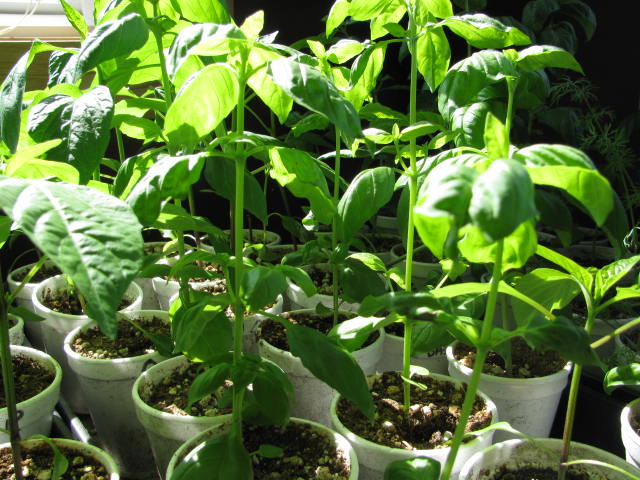
Here is some Basil that I seeded just a few weeks ago and it is already in need of trimming. Since I want the Basil plants to be full and bushy, I needed to pinch off some of the leaves and stem. 

But what can you do with the trimmings? Here’s how to preserve fresh Basil so you can enjoy it all winter long.

Basil plants before preserving leaves in freezer
Young Basil plants grow quickly so you can trim frequently


I love Basil and we use it a lot in cooking. Since we grow a lot of Basil, we could never eat it all when the leaves are ready.

We enjoy the leaves added as salad greens. We add Basil to all kinds of pasta dishes, pasta sauces and in tomato sauce.

But I have figured out a great way to preserve a lot of Basil. It’s quick and easy. And, the Basil tastes great whether we use it in November, January or any other time of the year.

How to Preserve Fresh Basil


Basil leaves and scissors sit on a cutting board


How to Preserve Basil By Drying

Drying Basil certainly works, but it’s not my favourite method. It tends to lose a lot of flavor once it’s dried.

Meh. Not for me. But here is how to dry basil leaves, if you want to give it a try.


Basil leaves drying in a basket in open air
Large leafed herbs can be dried in a basket in open air

Dry it just like I do with Lovage . That’s Lovage in the photo above – it tastes a lot like celery, but without the stalk.

Lovage is a perennial, so plant it once and it comes back every year. Here’s how to grow Lovage in the herb garden.

When it comes to air drying Basil, just pinch off some leaves and lay them on a baking sheet or parchment paper.

Spread them out so they are not piled onto each other. A single layer of leaves is always better than several layers and you need as much air around them as possible. 

Leave them in the open on the kitchen counter for a couple of days and once dry, crush them (or store the leaves whole) in a Mason jar.

Use whenever you want to add some flavour to soups, stews, salads and the like.

Of course, you can also dry Basil in a dehydrator – I have never tried it, as we like our method better!


Grab your free copy of The 5 Easiest Vegetables to Grow! and sign up for our newsletter!


How to Preserve Basil by Freezing


Young Basil plant with lots of new growth
Snip or pinch Basil leaves to store for later use

OK, now we’re talking. I like to freeze our Basil leaves. It’s the one method I’ve found that has the Basil leaves tasting just like they were freshly picked off the plant.

I just pinch and trim the leaves. Once the plant is really growing, I can take off a lot of the larger leaves.

If the plant is still small, a little prune job is still possible. Just don’t take too much!


Washed Basil sitting in a salad spinner basket
A salad spinner makes washing and drying herbs a breeze


I then give them a good rinsing and run them through my Salad Spinner. Have you got one of these? If not, you should – they are a great time saver.

The spinner holds a LOT of herbs (or lettuce) and makes really quick work of cleaning herbs.


Basil leaves in ice cube tray with water on them ready for freezer
Add enough water to cover the Basil leaves

How to Freeze Basil Leaves

I just chop a bunch of basil leaves into smaller pieces, then I fill an ice cube tray with water.

Fill each compartment with Basil leaves; you will have to push them into place to fit several pieces into each compartment.

Put them in the freezer for a day or two. Once they are frozen individually, pop them all out and put them together in a Ziplock bag. A thinner plastic bag will also work, but heavier ones are better for longer term storage.

You could also store them in any kind of freezer-safe container – as long as they are kept in the freezer.

Back in the freezer they go, to be pulled out whenever we want Basil. One or two of the frozen basil cubes will add wonderful flavor to fresh spaghetti sauce, on pasta, tossed into a salad or spread on pizza.


Basil and cherry tomatoes on a wood table


If you need to thaw the cubes without heating, just place them in a bowl and let the cubes come to room temperature. Drain on paper towel, then, you’ve got fresh basil leaves to use in cooking.

You can’t get much easier than this – make sure you include Basil in your garden this year.

Basil is easy to grow, easy to harvest and easy to preserve. Basil likes a lot of heat and cannot withstand frost – keep this in mind when you plant it.

I put my Basil plants into containers and keep them on the porch. Of course, you can easily grow Basil and other herbs indoors too!


It’s easy to Grow Herbs and Spices Indoors. Read more here and start your Herb Garden today!


They’re pretty, they smell wonderful when you brush against them and it’s super convenient to snip a few leaves to include with your meals.

Basil does like to flower early, so keep pinching the top leaves off. This will keep the plant from flowering. Enjoy!


Basil Pesto Recipes

Basil is great to use in so many different Italian dishes. It’s the perfect herb to use along with:

  • tomatoes
  • garlic cloves
  • onions
  • cheese, especially parmesan and mozzarella 
  • olive oil

Slice fresh tomatoes thickly and arrange on a plate with slices of mozzarella. Drizzle about a tablespoon of olive oil over both ingredients and crumble basil leaves over top.

This is a delicious appetizer with tons of fresh taste – perfect for a summer afternoon.

Here’s a great recipe for a fast and easy Basil Pesto. This one uses walnuts instead of pine nuts.

Allergic to nuts? Try this Nut Free Basil Pesto!

Now you know how to preserve Basil, trim some leaves and freeze some this year!


Looking for more about growing Herbs?

Want to learn about Lovage? A super easy herb to grow and it looks great in flower beds!

Here’s the method we use to dry Parsley to use all year.

Ever tried Garlic Scape Pesto ? It is delicious and I have got the recipe here, check it out.

Drying herbs is really very easy, take a look.

Ever thought of growing Hops in your garden or yard?


fresh basil growing in a windowsill


Filed Under: Drying Herbs Tagged With: basil, drying herbs, herbs, preserving

Prepper’s Dehydrator Handbook – Book Review

By Annie

I’ve just finished reading the Prepper’s Dehydrator Handbook, written by Shelle Wells. I was hoping to pick up some tips AND find some great recipes and mixes.

And I DID. If you need a book geared towards dehydrating for beginners, this book works!

And if you have experience drying foods but want some great recipes, this book works for that too.


Dried beans ready for storage


Dehydrating for Beginners:


Drying your own food is a great way to build your pantry supplies for several reasons:

Dehydrating is EASY to learn to do.

Dehydrated foods take up less pantry room than canned foods – great for those living in smaller homes.

You never have to worry about power failure.


Everything you need to know about getting started dehydrating and building up your food supply is in this book.

Solar drying, oven drying, dehydrator drying and microwave drying are all covered.


herbs drying on a rack


Herbs are one of the easiest foods to dry – pick them right before they flower and you will get the optimum flavour.

After they are dry, store them in pretty mason jars and tuck them away to use all winter long.

But you can dry far more than herbs! Dry your own fruits, vegetables and even meat by making jerky.

Not every vegetable needs to be blanched before drying – did you know that?

Want a list of which veggies need to be blanched and which ones don’t? It’s included in the book, along with instructions on setting up a blanching station.

So, start dehydrating your own peas, beans, carrots, potatoes and any other vegetable your family loves to eat.

Then start filling up your pantry, knowing that if an emergency hits (environmental, medical, financial) you have food on hand to feed your family.

Home canning, freezing and dehydrating each have processes that need to be followed to prepare and preserve food.

The Prepper’s Dehydrator Handbook outlines each step and focuses on safely drying your food.


The Prepper’s Dehydrator Handbook

Here’s just a partial list of the different chapters in the book. You will see there is lots of great info about:

Food Storage

Fruit and Vegetable Leathers

Make your own Meat Jerky

Make your own Soups and Powders

Dry and Store your own Herbs

plus

Specific instructions for Dehydrating 50 common Fruits and Vegetables – this is a very detailed section of the book.

Each food is listed as to how to clean and prepare it for drying, suggested thicknesses of slices, drying time, temperature, consistency you are looking for (to tell when it is dry), blanching requirements, oxidizing (if needed), rehydration methods and the yield.

All GREAT information you need when dehydrating food.

lemon infused honey


and then, there are the Recipes!

Snacks, sides, entrees, desserts and drinks – over 50 recipes including:

  • Homemade Roasted Peanut Butter (now that sounds fantastic!)
  • Ginger and Lemon Infused Honey
  • Blueberry Basil Syrup
  • Hash Brown Mix in a Jar
  • Slow Cooker Stuffed Cabbage Rolls
  • Candied Ginger
  • and a lot more….

A copy of the Preppers Dehydrating Guide


Find out more about living off grid and setting up your own energy supply.

Want to learn about how to water bath can and pressure can enough food to fill your pantry?

Find out how you can grow a huge amount of food (in 15 minutes a day!) to feed your family all year long.

Here’s the one thing you NEED to have if you heat your home with wood.

Here’s our go-to resource book when it comes to butchering farm animals.


Filed Under: Drying Herbs, Emergency Preparedness, Great Books

  • 1
  • 2
  • Next Page »

Connect With Us!

  • Email
  • Facebook
  • Instagram
  • Pinterest
  • Twitter

Search this site

Generic selectors
Exact matches only
Search in title
Search in content
Post Type Selectors
Search in posts
Search in pages

Our Most Popular Posts

Garlic cloves in oil

How to Preserve Garlic in Oil – and Other Ways to Store Garlic

a open jar of pickled brussel sprouts on a counter

Easy Pickled Brussels Sprouts Recipe (Water Bath Canning)

Privacy Policy

Read about our Privacy Policy

Disclosure

Please note that some of this site’s links are affiliate links, and CountryLivinginaCaribooValley.com is a participant in the Amazon Services LLC Associates Program, an affiliate advertising program designed to provide a means for us to earn fees by linking to Amazon.com and affiliated sites. At NO ADDITIONAL COST TO YOU, I will earn a small commission, if you purchase them. I recommend them as they are good products.

Theme Design By Studio Mommy · Copyright © 2026