Country Living in a Cariboo Valley

Homesteading in BC

  • How to Get Started
  • Vegetable Gardening
  • Preserving Food
  • Recipes
  • Homemade Wine Recipes
  • About Us
  • Work With Me
  • Shop
    • Vegetable Garden Planner Printable: Grow Your Best Garden Ever
    • Grow Enough Food for a Year
    • Delicious Dandelions: A Recipe Collection
    • Dirt to Dollars: Selling at the Farmers Market
    • 8 Pounds in 8 Weeks: Raising Chicks for the Dinner Table
    • Making Wild Wine
    • Build a Hanging Chicken Feeder
    • 15 Things to Know About Living in the Country

How to Restore a Neglected Garden

By Annie

Moving into a place with a neglected yard? Doing a simple clean up can go a long way. Here’s some ideas to restore a neglected garden.

Patience will be key as you work. Slowly over time, you can uncover a garden’s hidden potential and sometimes even buried treasures.


an overgrown garden that needs cleanup

If the garden has been neglected for a year or more, clearing out the obvious weeds will provide a better idea of the garden’s potential.


These suggestions can help with yards new to you or just shaggy gardens in a forgotten corner that you’d like to spruce up.

(As a side note about buried treasures….after cleanup of this area, we gained a push lawn mower, a large composter, several bamboo trellises, and a couple ceramic pots!)

Bonus of cleaning up this part of the neglected garden.


How to Restore a Neglected or Overgrown Garden

While some suggest ripping out everything or using chemicals to kill everything off, I am really suggesting to not do that.

Using an annihilation method means possibly losing flower bulbs, perennials or other special plants such as heirloom varieties that you may later have to replace.

By using what is there as a start also allows your garden to avoid that bare just-planted look.

Take photos of your “before” yard. You may think it is just too messy or overgrown, but do it anyway.

This way you can really see the progress of your garden restoration as time goes by.


Cleaning up the Yard is the First Step to Restore a Neglected Garden

Begin by simply cleaning up. Get rid of dead sticks and pile any rocks or loose bricks in a corner for now – you might just use them later in your landscape.

Start cleaning flower beds by getting rid of dead stems and leaves. Cut back any dead growth on shrubs (don’t bother trimming right now, just cut back dead stuff).

When it comes time for pruning shrubs or trees, here’s an article to show you how to do that.


tools lay in a neglected garden


Helpful Tools to Use When Restoring a Garden

Camera or excellent quality iphone for recording progress and remembering plant locations – really important for remembering where bulbs, etc are planted.

Gardening book with suggestions for easy maintenance plants for your region – even low maintenance yards require work. Go as low maintenance as you possibly can.

Work gloves for pulling bladed grasses and prickly weeds

Hoe, shovel and hand trowel

Paper, unlined or graph, to create garden plan and color scheme

Pencil

You may want to invest in a computer program for landscape design. This way you can play around with possibilities and see what you really want.


Poison Ivy in the Garden

If the area is really overgrown, be aware of poison ivy vines. If you do have poison ivy, try to clear out the roots and as much of the vine as possible.

Remember that dropped seeds will probably mean new vines in future years. Here’s an article I wrote about making your own Poison Ivy Killer Recipe.

It’s all natural, so you may need to repeat spraying a couple of times. And of course, it works on all kinds of weeds, not just Poison Ivy.

But it’s always good to go with no chemicals! If you do use round-up, be careful not to drop any on the other plants.


a messy garden that needs to be restored


Record Progress of the Garden Restoration

After pulling out the obvious weeds, step back and take a picture of what your garden bed looks like.

Having quality photos of each stage will help with the planning and also remind you of your hard earned progress.

This is a good stage to begin drawing a representation of your garden on paper to show shrubs, trees and any plants in your garden that you intend to keep.

You can also draw or write ideas for the next year, keeping in mind the colors that you want and your preferred plant height limits for each section.

If previously undecided, you can determine if you want a formal or informal garden at this time and plant to achieve the look you want.

Still, give yourself a couple of years to finish the garden for a more natural look.


Tips to Find Out What Will Grow in Your Garden

One way to determine your garden’s future costs little but requires some patience. After thoroughly weeding the garden, add a few plants to blend in any holes in the greenery.

Now, hold off on the garden design until the end of the growing season. Yes, seriously.


Hosta Pips emerging from the garden

As the months go by, you will see what plants come up. As the seasons go by you can see which perennials bloom in spring, summer or fall. Keep notes of when any plants bloom.

By waiting to see what plants comes up, you will have a better idea of which seasonal plants need to be added for the next year.

Are there just a few blooms in spring but bursts of color in summer and fall?

Then plant bleeding hearts, irises, and daffodils which may help to usher in color much earlier in spring for future years.

And you never know – you may realize you don’t even need to add anything to your restored garden. Maybe it just needed a huge cleanup!


Ask the Neighborhood to Help With Your Garden

When possible, ask the former homeowners or long-term neighbors what types of plants they recall being in the garden.

This can be especially helpful in the winter and the spring when so many perennials and bulbs remain buried or nondescript.

You never know – this yard may have been the most beautiful on the street at one time. There may not need to be much done to restore a neglected garden here.

Having an idea of what is there can also offer guidance as to what complementary plants you should add or hint at the original color scheme.

Using one of these color charts can be a big help.

If you dig up bulbs or plants that you decide aren’t right for your garden, consider offering them to the neighbors.

Plant and seed trading benefits everyone involved plus establishes new friendships in the community.


Add Inexpensive Trees to Landscape Your Yard

Gardens can be accented by adding trees to the yard. Depending upon the area, redbuds, dogwoods, crape myrtles and mimosas add bursts of blooms for a few weeks each year.

Read this article about creating visual interest in your yard.

There are lots of different recommendations for specific trees and shrubs that should work for you.

Be aware of the shade canopy of each to help you choose how close to plant these to your garden and also research which trees will work well in your area.

A beautiful garden blooms after restoration.


Noting which already decorate your neighborhood will also give you the option of asking neighbors for free seedlings from their established trees.

Before planting a tree or digging any large hole, call for utility locations to avoid puncturing gas lines or encouraging tree roots to penetrate sewer lines.

This extra step can save you substantial fees or repairs in the future.

Gardens add beauty to your property and well-planned shifts each year can help an unsightly garden become a well-nurtured symbol of the pride that you take in your home.

Beautiful landscaping can easily add thousands of dollars of value to your property. 


More Gardening information to help you restore an overgrown garden

Want to put in a walkway? Take a look at how to create a gravel path in your yard.

Making a new flower bed doesn’t have to be difficult – here’s how we made a flower bed filled with perennial flowers and shrubs.

Here’s just how to go about creating year round interest in your yard, using trees and shrubs.

Need a hedge? Grow a hedge for free, using these step by step instructions!

Here are the Perfect Perennials to plant in the shade – low maintenance too

What you need to know about pruning shrubs and trees

Want to plant flower bulbs? Here’s how to plant Fall bulbs that will bloom in Spring


a cleaned up garden bed after restoration


Filed Under: Organic Gardening

How to Create Winter Interest In Your Garden

By Annie

When you think of winter landscaping, you might just think of barren trees and ground covered in snow. But you can create beautiful winter interest in your garden by using certain shrubs and trees.

Even if you live in an area that doesn’t get much snow, you may still only imagine hardened earth just waiting for Spring to soften it up enough for flowers to peek through again.

That doesn’t have to be the case, though! You can have a beautiful, visually-appealing garden – even in the dead of winter! Keep reading for different plants for winter interest in the garden.


blooming winter shrub with frost


The key is to choose colorful plants, shrubs, and trees that are both interesting or colorful AND can withstand the cold weather. In this article, you will learn about different ways to use plants for winter interest to your garden.


Plants with Winter Interest


Winterberry

a winterberry shrub with snow on it


Also known as Deciduous Holly, I can’t think of a plant that screams “winter holidays” quite like the winterberry.

Boasting glossy green leaves and bright red berries, it is sure to add some color and beauty to any landscape. Isn’t it gorgeous?


Sky Pencil Holly

As its name suggests, Sky Pencil Holly grows to be quite tall – up to 12 feet, in fact! They make the perfect addition to the entrance of a garden.

The dark green foliage works well for a hedge between the street and your front yard.


Paperbush

a butterfly sits on the yellow blooms of a paper bush


Flowers from January to April for some of the earliest blooms in your garden. Paper Bush likely gets its name from the white and yellow flowers it produces on its tips.

What makes it such a great thing to have in your winter garden is the strong, spring-like fragrance it will send wafting through your garden!


Witch Hazel

The yellow flowers of witch hazel are a pretty way to add visual interest to a winter garden.


This is another pleasantly fragrant plant that blooms throughout winter. It can add dashes of yellow and red throughout your garden.

It also has medicinal qualities and is great for skin care; you can use witch hazel as a skin toner. Use witch hazel to cleanse your skin and soothe burns.

Winter Daphne

the pink flowers of a winter daphne are a nice way to bring visual interest to a winter garden


This sweetly-named plant smells as sweet as can be! And with pinkish purple buds that open up into light pink, star-shaped flowers, they are a sight to behold.

Camellia

a winter blooming camellia is a perfect way to bring visual interest to a winter garden.


Depending on where you live, camellias could be a fantastic and colorful way to add winter interest in your garden.

These evergreen shrubs come in varying shades of pink and red, with thick and glossy leaves.

A camellia is one of those “almost perfect” flowers – it’s a favourite of many gardeners!


Chokecherry

Note: Not recommended if you raise grazing animals.

Chokecherry can be great for adding a bit of color to your garden. They also have a variety of uses, including culinary, medicinal, and wine-making.


Firethorn

A firethorn shrub with bright orange berries


This bush sprouts white flowers as well berries that are either red, orange, or yellow, depending on the variety. They are also great for attracting birds to your garden since the berries are edible.


Fragrant Wintersweet

Blooming yellow wintersweet


This shrub emits a delightful honey fragrance and is known for blossoming its yellow petals in during midwinter.

Plant it somewhere with lots of room! Wintersweet gets big – up to 10 feet tall and 8 feet wide.


Sweetbox

This fragrant plant is also great for attracting pollinators into your winter garden since it’s a great source of nectar and pollen.

Great for dry places, like under large trees. Sweetbox sends out creamy white flowers that smell wonderful.


Winter-Flowering Jasmine

Yellow blooming winter jasmine adds beautiful visual interest to a winter garden


This flowering plant has yellow blooms that pop into existence in late winter, helping to usher in spring.

The lemon-colored delights are fantastically cheerful when planted in groups.


So start thinking and researching different plants for winter interest in the garden. There are many different shrubs that look good in winter. And remember, planting a bush that has red berries will add a pop of colour to your garden when it can really use it!


Decorative Ways to Add Winter Interest in Your Garden

Plants aren’t the only way to add winter interest to your garden. You can also make use of lawn and garden ornaments plus plant containers to add bursts of life and color to your garden.

Here are a few fun items you can add to your garden to make it visually appealing all year long.


Bird Baths

birds at a bird bath in winter


Bird baths are the perfect addition to any yard or garden. Not only can they make it super easy for you to bird watch, attracting the birds to your garden can also promote pollination.


Bird Houses

colorful birds gather at a bird feeder


If you’re into bird watching, you should also consider adding a birdhouse or two to your garden. Or, fill a squirrel proof bird feeder with seed and enjoy watching the birds from your window.


Colorful Pots

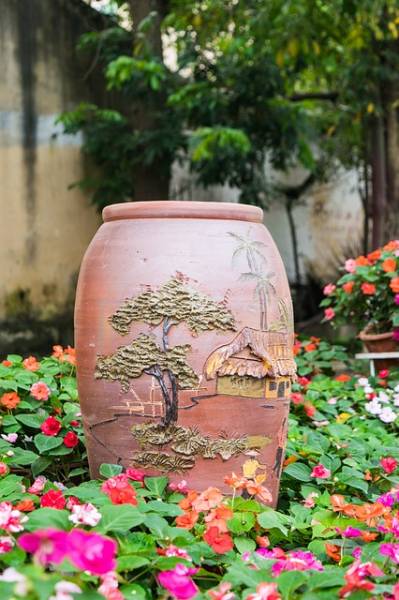
A decorated large pot in the garden.


When used properly, garden containers can be the perfect addition. They can help you grow beautiful plants (not to mention tasty ones) as well as add a bit of vibrancy to your garden.

Colorful large garden pots can be very striking in the winter season. Fill with cedar boughs and large bright red ribbons for Christmas time.


Ornaments

Wind chimes are a pretty addition to your winter garden.

Don’t forget that there are a wide array of garden ornaments that can be used year-round, including statues, sculptures, wind chimes, hanging baskets, trellises, decorative stakes, stepping stones, signs, and more!

Wind chimes sound so pretty, especially when you have several of them hanging in different areas of the garden.


A snowy field on a sunny day
This old Willow adds a lot of interest in the winter.


There are so many different ways to create winter interest to your garden. So start making your plans – include a variety of shrubs and trees.

Take your time with your landscape plant design – you may even want to hire someone experienced in garden design. Pick up a great book like this one on landscape design or some landscape design software.

Take your time and play around with different plans to see what works best for your yard.

Plan for the shrubs mature size and just add flower bulbs or low perennials to fill in the spaces between your shrubs. Over time, reduce the bulbs and let the shrubs fill in.

Then, add a few striking visual components like large pottery, garden signs and pergolas. Add seasonal decor to garden containers, using colours that will pop!

I hope that this helps you create a garden landscape that brings you joy throughout the winter months and beyond.


More about Gardening:

Some of the earliest Spring blooms come from flower bulbs planted in the Fall. Here’s our top Bulbs for pretty Spring blooms.

Do you have a small garden? Here’s some great ways to Gain Space in a Small Garden.

Looking for the Perfect Gift for the Gardener you love? Here you go…

Love spending time in the garden, even in winter? Learn how to layer winter clothing properly for extra warmth.


red berries create winter interest in the garden


Filed Under: Organic Gardening

Connect With Us!

  • Email
  • Facebook
  • Instagram
  • Pinterest
  • Twitter

Search this site

Generic selectors
Exact matches only
Search in title
Search in content
Post Type Selectors
Search in posts
Search in pages

Our Most Popular Posts

Garlic cloves in oil

How to Preserve Garlic in Oil – and Other Ways to Store Garlic

a open jar of pickled brussel sprouts on a counter

Easy Pickled Brussels Sprouts Recipe (Water Bath Canning)

Privacy Policy

Read about our Privacy Policy

Disclosure

Please note that some of this site’s links are affiliate links, and CountryLivinginaCaribooValley.com is a participant in the Amazon Services LLC Associates Program, an affiliate advertising program designed to provide a means for us to earn fees by linking to Amazon.com and affiliated sites. At NO ADDITIONAL COST TO YOU, I will earn a small commission, if you purchase them. I recommend them as they are good products.

Theme Design By Studio Mommy · Copyright © 2026